FR
Français
 DE
Deutsch
 IT
Italiano
 EN
English
Practical Ways to Save Energy and Protect Building Systems
A practical guide for property managers in Switzerland to reduce energy use, prevent damage and keep residential buildings running safely and efficiently.
For property managers, energy efficiency is not only about lowering utility bills. Well-maintained heating, ventilation, plumbing and electrical systems are less likely to fail, cause damage or disrupt residents’ daily lives. A structured approach can help protect the property while improving comfort and controlling operating costs.
Start with a building energy review
Before investing in new equipment, review how the building currently uses energy. Compare electricity, heating and hot-water consumption with previous years, taking occupancy and weather conditions into account. Sudden increases may indicate a faulty control system, water leak, poor insulation or equipment operating outside its normal schedule.
For larger properties, consider arranging an energy assessment with a qualified professional. This can identify the most cost-effective improvements and help prioritise work according to urgency, expected savings and available budgets.
Optimise heating and hot-water systems
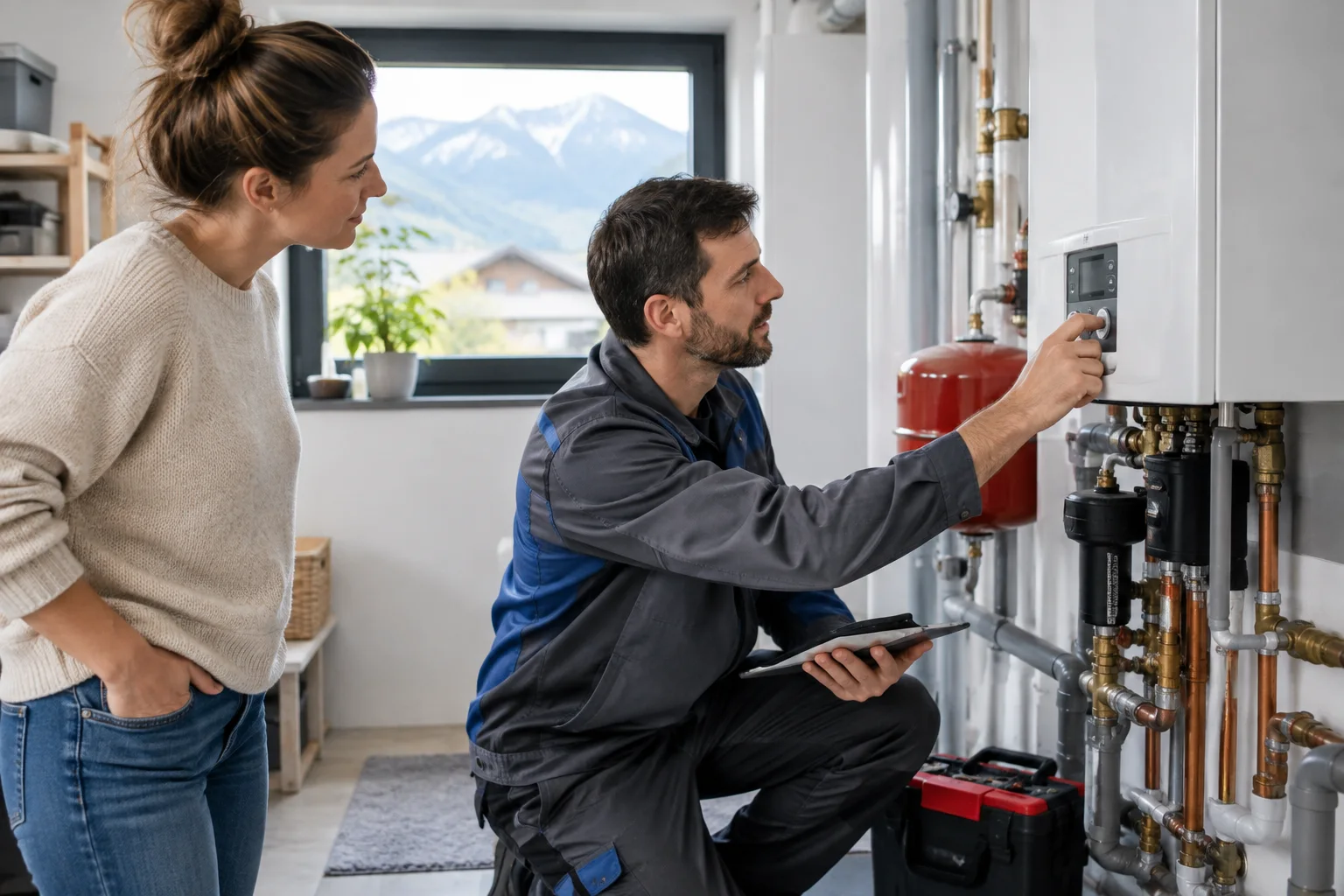
Heating is often one of the largest energy costs in a residential building. Ensure that heating schedules and temperature settings reflect actual occupancy. Common areas such as corridors, storage rooms and stairwells may not require the same temperature as occupied apartments.
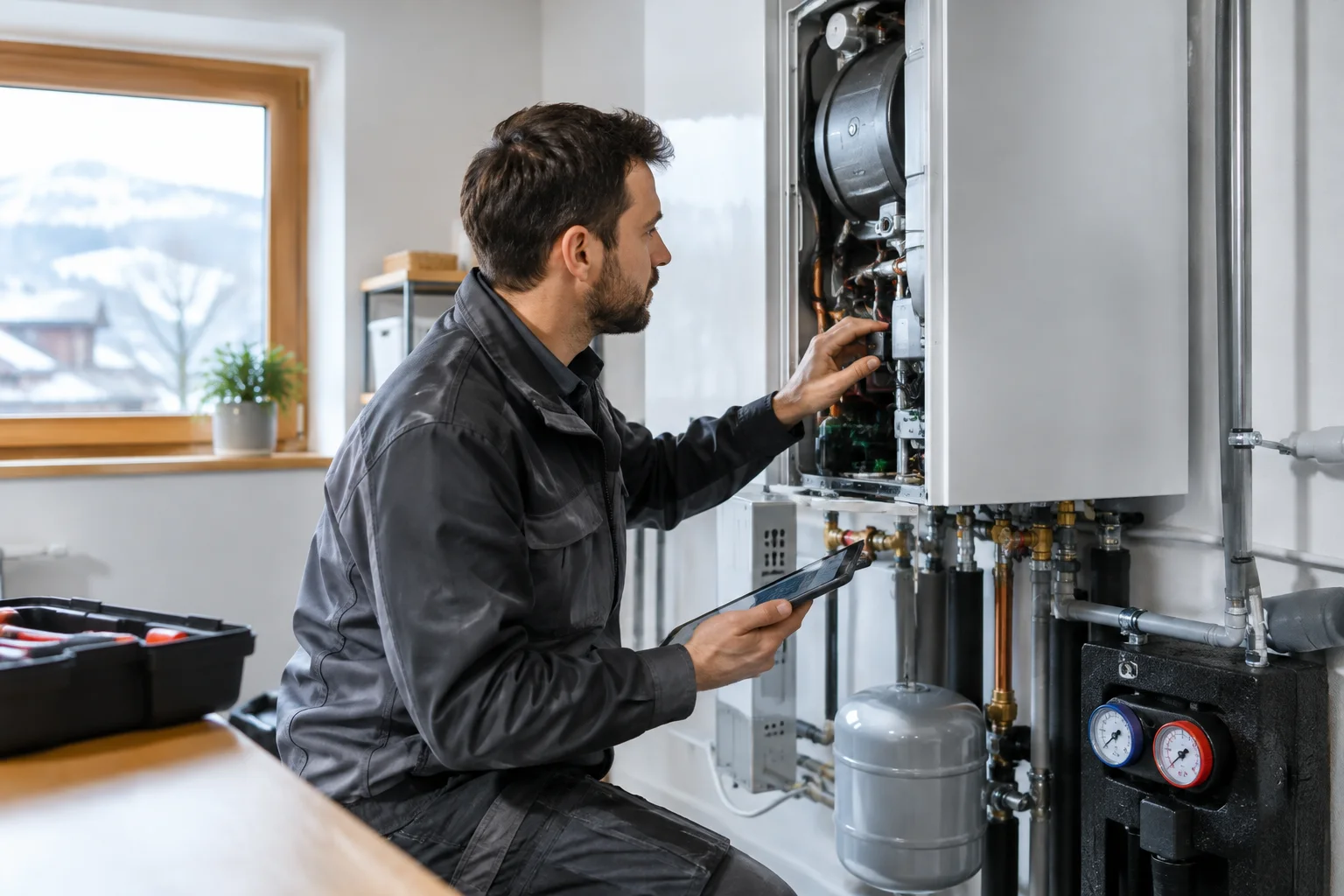
- Arrange regular servicing of boilers, heat pumps and circulation pumps.
- Check that thermostatic valves and room controls operate correctly.
- Inspect radiators and pipework for cold spots, unusual noises or signs of leaks.
- Ensure heating-system controls and sensors are correctly configured.
- Insulate accessible heating and hot-water pipes where appropriate.
Hot-water systems should also be managed carefully. Temperatures must be controlled in line with applicable health and safety requirements, including measures to reduce the risk of Legionella. Do not change storage temperatures or disinfection settings without advice from a qualified heating or water-system professional.
Reduce electricity consumption in common areas
Lighting in entrances, stairwells, garages and communal rooms can consume significant energy when it is left on unnecessarily. Property managers can review whether LED lighting, presence sensors, timers or daylight controls are suitable for each area.
Lighting changes should be planned with safety in mind. Emergency lighting, escape routes and required illumination must remain compliant with applicable regulations. Any work on fixed electrical installations should be carried out by an authorised electrician. Residents and property staff should never remove covers, alter wiring or attempt repairs on electrical equipment.
Protect installations from leaks and water damage
Small leaks can develop into extensive damage if they are not detected early. Include visual checks of plant rooms, basements, meter cupboards, kitchens in common areas and accessible service spaces in the property’s maintenance routine.
Look for damp patches, corrosion, mould, unusual smells, dripping valves or unexplained increases in water consumption. Water-monitoring devices or automatic shut-off systems may be appropriate for buildings with a history of leaks or high damage risk. Their installation and testing should be handled by a suitable specialist.
If a serious leak occurs, keep people away from flooded electrical areas and contact the relevant emergency service or qualified contractor. Do not enter water containing or near electrical equipment.
Maintain ventilation and indoor air quality
Blocked filters, dirty grilles and poorly maintained ventilation systems can reduce air quality and increase energy use. Arrange regular inspection and cleaning of ventilation equipment, particularly in bathrooms, kitchens, underground car parks and communal areas.
Residents should be informed not to block ventilation grilles or cover radiators. Property managers can provide simple guidance on airing rooms efficiently, reporting condensation and notifying management about persistent dampness or unusual fan noise.
Use preventive maintenance instead of emergency repairs
A preventive maintenance plan helps identify minor faults before they become expensive failures. Keep a clear record of inspections, servicing, repairs, warranties and equipment replacement dates.
A practical schedule may include:
- Monthly or quarterly visual checks of plant rooms, common areas and accessible pipework.
- Seasonal checks before the heating period and after periods of severe weather.
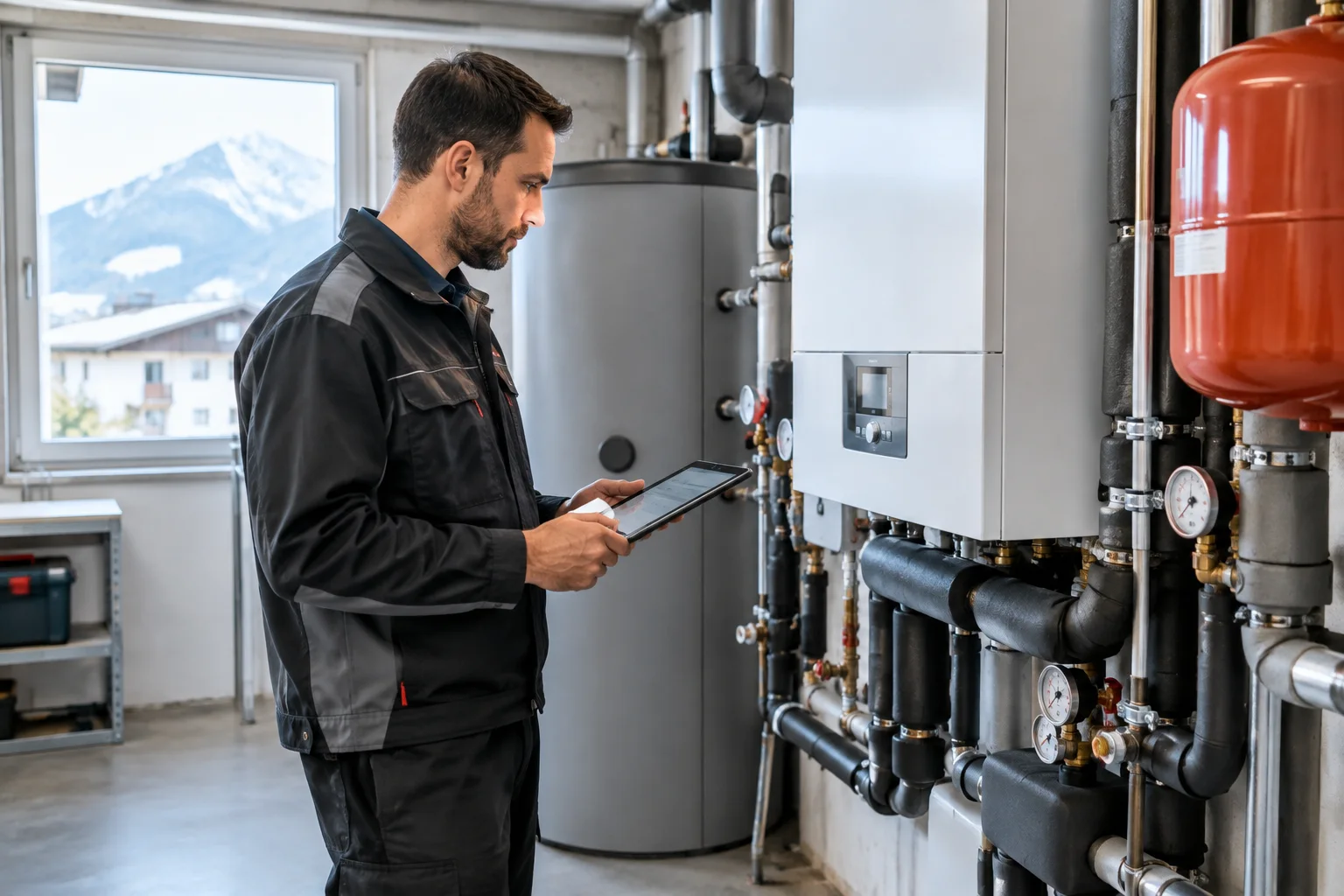
- Periodic servicing of heating, ventilation, pumps and electrical systems by qualified contractors.
- Testing of alarms, emergency lighting and safety equipment according to applicable requirements.
- Prompt investigation of resident reports involving leaks, loss of heating, burning smells, tripped circuits or unusual noises.
Clear reporting procedures are important. Residents should know who to contact, which issues are emergencies and what information to provide, such as the location, time and visible symptoms of a fault.
Plan improvements by priority
Not every energy-saving measure needs to be completed at once. Prioritise work that improves safety, prevents property damage or addresses equipment that is inefficient and nearing the end of its service life. Examples may include replacing failed controls, repairing insulation defects, upgrading inefficient common-area lighting or improving monitoring of water and heating systems.
When comparing quotations, look beyond the purchase price. Consider installation quality, expected service life, maintenance requirements, compatibility with existing systems and the contractor’s authorisation and experience. For shared buildings, communicate planned works to owners and residents in advance whenever possible.
Work with qualified professionals
Energy-saving measures must never compromise fire safety, electrical safety, ventilation or hygiene. Property managers should use appropriately qualified and authorised specialists for electrical work, heating systems, plumbing, ventilation, inspections and safety equipment.
LDT Services can support property managers with practical maintenance, fault assessment and building-service coordination. A professional review can help identify risks, organise priorities and keep essential installations operating reliably.
Key takeaway
The most effective energy strategy combines sensible operation, regular inspections, prompt repairs and professional maintenance. By monitoring consumption, protecting against leaks, maintaining technical systems and informing residents, property managers can reduce costs while improving safety, comfort and the long-term condition of the property.