FR
Français
 DE
Deutsch
 IT
Italiano
 EN
English
Practical Ways to Save Energy and Protect Your Home Installations
Simple maintenance habits can reduce energy waste, prevent avoidable breakdowns and help extend the life of your home’s electrical, heating and plumbing systems.
Practical Ways to Save Energy and Protect Your Home Installations
Energy efficiency is not only about lowering monthly bills. Regular maintenance also helps protect electrical, heating, ventilation and plumbing installations from premature wear, faults and avoidable damage. A few simple checks, combined with professional servicing where needed, can improve comfort, safety and reliability throughout the year.
Start with a maintenance routine
Small issues are often easier and less expensive to resolve when they are detected early. Create a seasonal maintenance checklist and record completed inspections, repairs and filter changes. Pay attention to unusual noises, smells, heat, moisture, tripped circuit breakers or sudden increases in energy use.
Do not remove protective covers, open electrical equipment or attempt repairs on fixed wiring yourself. In Switzerland, electrical work should be carried out by an appropriately authorised professional.
Reduce unnecessary electricity use
- Switch off lights in unoccupied rooms and use LED lamps where suitable.
- Unplug or fully switch off devices that remain on standby for long periods.
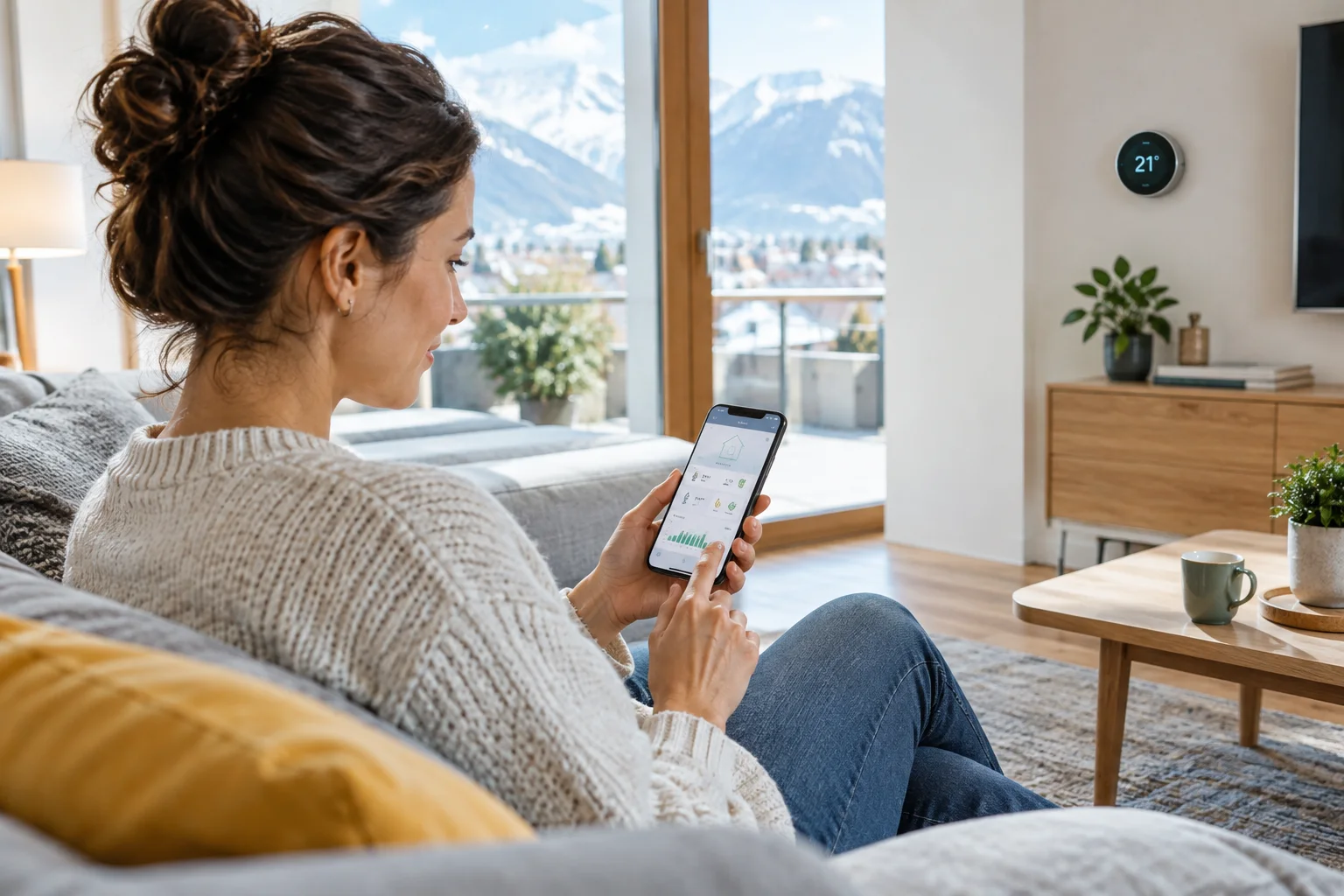
- Use timers or smart plugs for appliances only when they are correctly installed and suitable for the intended load.
- Keep refrigerators and freezers away from heat sources and allow air to circulate around them.
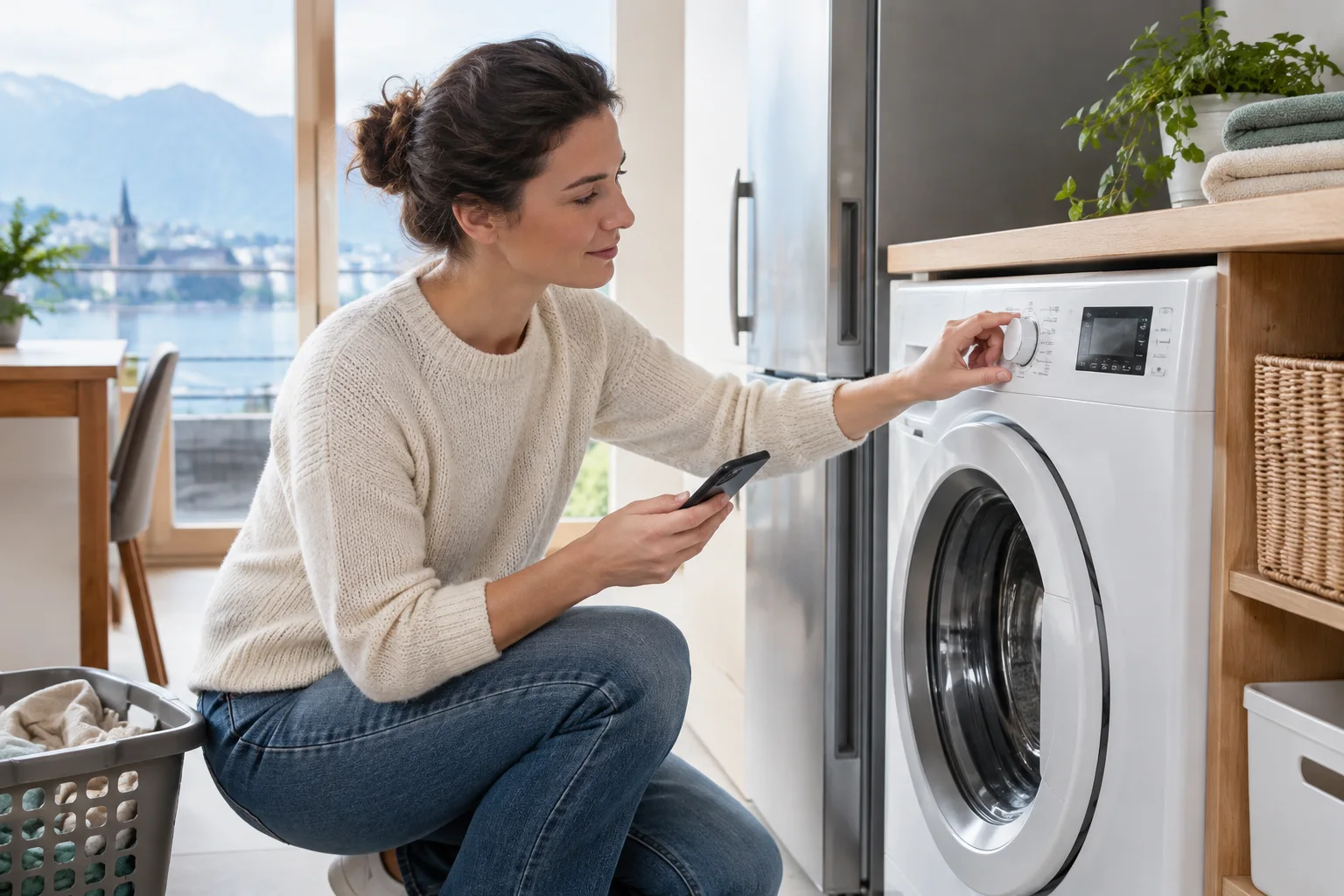
- Clean ventilation openings and appliance filters according to the manufacturer’s instructions.
- Check that extension leads and multi-socket adapters are not overloaded or used as a permanent substitute for fixed outlets.
Look after heating and hot-water systems
Heating systems work more efficiently when they are clean, correctly adjusted and serviced at the recommended intervals. Keep radiators and convectors clear of furniture and curtains. Bleed radiators only if the system and manufacturer’s instructions allow it, and ask a qualified technician to investigate persistent cold spots, pressure loss or leaks.
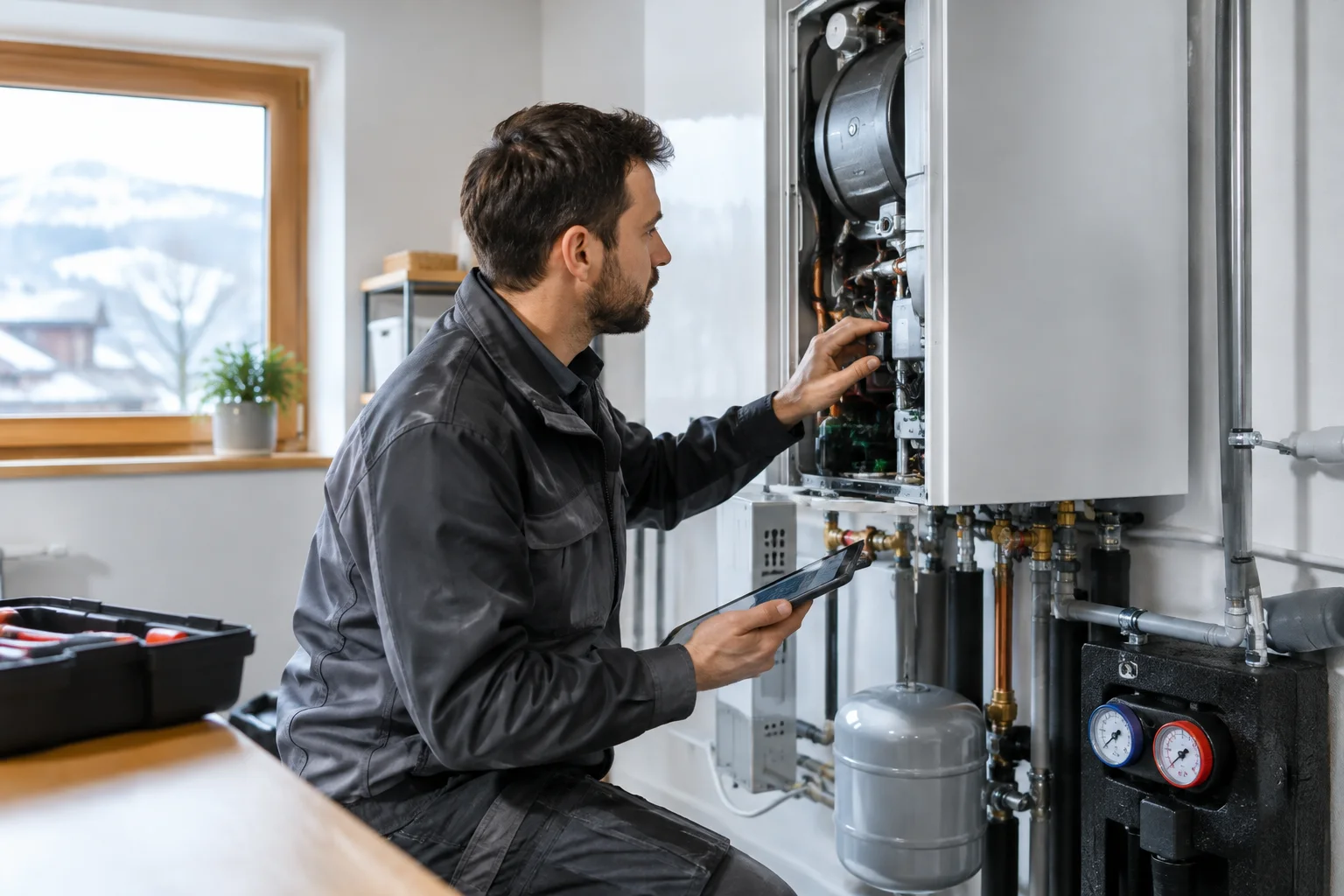
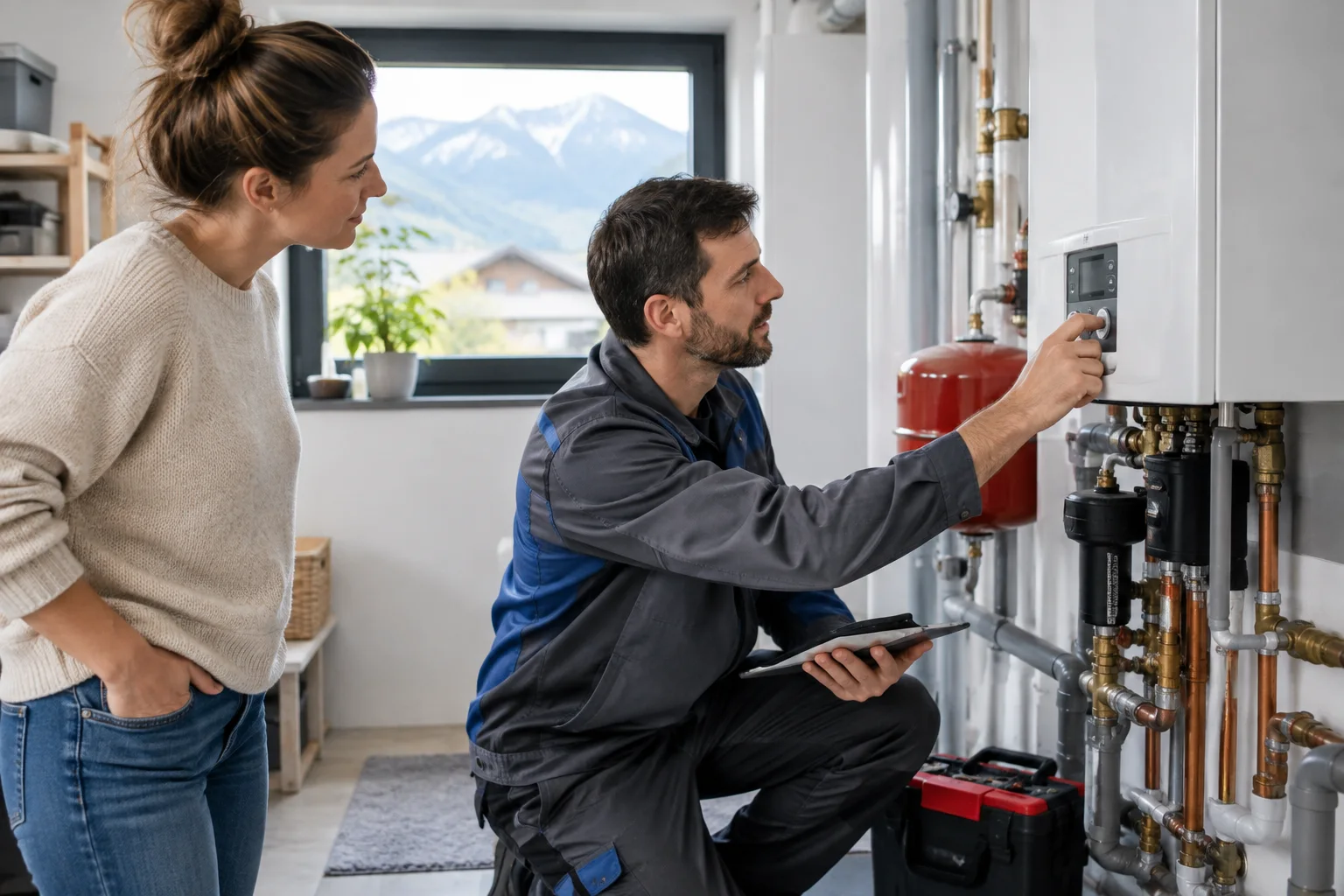
For boilers, heat pumps and other technical equipment, arrange professional maintenance in line with the manufacturer’s recommendations. A technician can check operating settings, safety controls, filters, circulation and signs of wear. Avoid changing technical parameters without advice, as incorrect settings can reduce efficiency or damage the system.
Maintain ventilation and indoor air quality
Blocked or dirty ventilation filters increase resistance and can make fans consume more energy. Clean or replace filters as specified by the equipment manufacturer. Keep air inlets and outlets unobstructed, and do not permanently seal ventilation openings to stop draughts.
If condensation, mould, persistent odours or unusual fan noise appears, arrange an inspection. These symptoms may indicate inadequate airflow, excess humidity or a fault that requires professional attention.
Protect plumbing installations from damage
- Check visible pipes, valves and connections for dampness, corrosion or limescale.
- Repair dripping taps and running toilets promptly; even small leaks waste water over time.
- Know where the main water shut-off valve is located and make sure it can be operated.
- Protect vulnerable pipes from freezing during cold weather, especially in unheated areas.
- Do not pour grease, solvents, paint or aggressive chemicals down drains.
If a pipe bursts or a major leak occurs, shut off the water supply if it is safe to do so, move electrical equipment away from water and contact an emergency professional. Never touch electrical equipment while standing in water.
Keep electrical installations safe
Arrange a professional inspection if you notice warm sockets, buzzing, scorch marks, repeated breaker trips, flickering lights or a burning smell. These signs can indicate loose connections, overloads or damaged equipment.
Test residual-current protection devices only according to the manufacturer’s instructions and local requirements. If the device does not operate correctly, stop using the affected installation and contact a qualified electrician. Do not bypass protective devices, replace them with higher-rated components or carry out improvised repairs.
Use maintenance to improve efficiency
When a professional visits your property, ask for practical recommendations based on the condition and age of the installation. Useful measures may include cleaning, replacing worn seals, improving controls, correcting poor airflow, insulating accessible pipework or updating inefficient components. Prioritise work that improves safety first, followed by measures that reduce recurring energy and water consumption.
When to call a professional
Professional assistance is recommended for electrical faults, gas or combustion appliances, heat pumps, boilers, concealed leaks, recurring circuit-breaker trips and any installation that shows signs of overheating or water damage. If you smell gas, leave the area without operating switches or creating sparks, and contact the appropriate emergency service and a qualified technician.
Regular maintenance is a practical investment: it helps prevent breakdowns, supports efficient operation and protects the people and property that rely on your installations. LDT Services can help assess maintenance needs and coordinate safe, professional service for residential installations in Switzerland.