FR
Français
 DE
Deutsch
 IT
Italiano
 EN
English
Practical Maintenance Tips to Save Energy and Protect Your Home’s Installations
Regular maintenance helps reduce energy waste, prevent avoidable breakdowns and extend the service life of heating, plumbing and electrical systems. Discover practical checks for a safer, more efficient home in Switzerland.
Practical Maintenance Tips to Save Energy and Protect Your Home’s Installations
Energy efficiency is not only about replacing appliances or lowering the thermostat. Regular maintenance also plays an important role. A well-maintained heating system, clean ventilation filters and correctly sealed windows can reduce energy waste, improve comfort and help prevent costly repairs.
For homeowners and tenants in Switzerland, a simple maintenance routine can protect important installations throughout the year. The following recommendations focus on safe, practical actions and on knowing when to call a qualified professional.
1. Maintain your heating system regularly
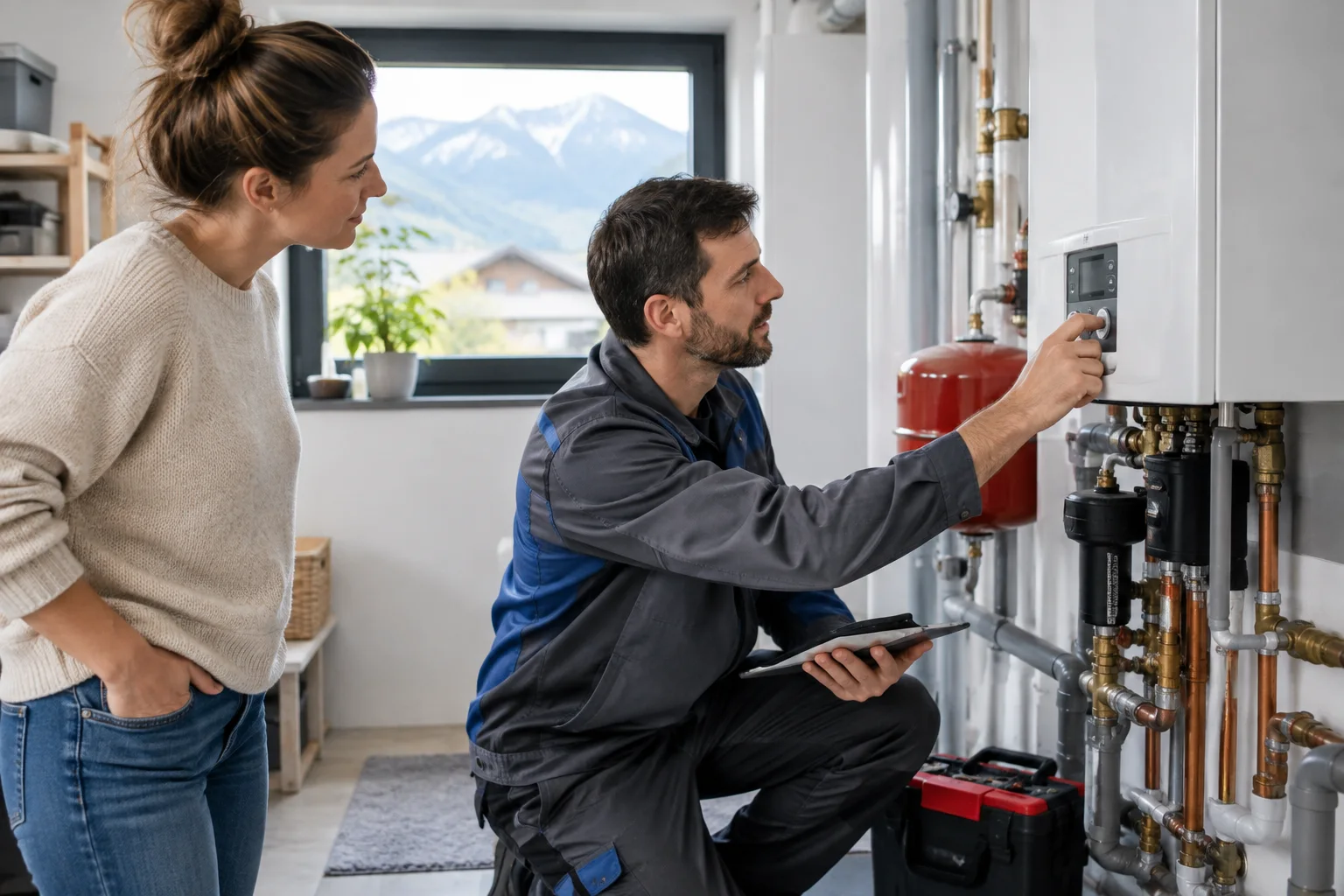
Heating is one of the largest sources of household energy use, particularly during the Swiss winter. Arrange professional servicing at the interval recommended by the manufacturer or installer. A technician can check the system’s operation, safety controls, combustion where applicable and overall efficiency.
- Keep radiators and heating units clear of furniture, curtains and other obstructions.
- Remove dust from accessible surfaces so heat can circulate effectively.
- Check that thermostatic radiator valves respond correctly.
- Bleed radiators only if appropriate for your system and according to the manufacturer’s instructions; contact a professional if you are unsure.
- Do not ignore unusual noises, persistent odours, leaks or uneven heating.
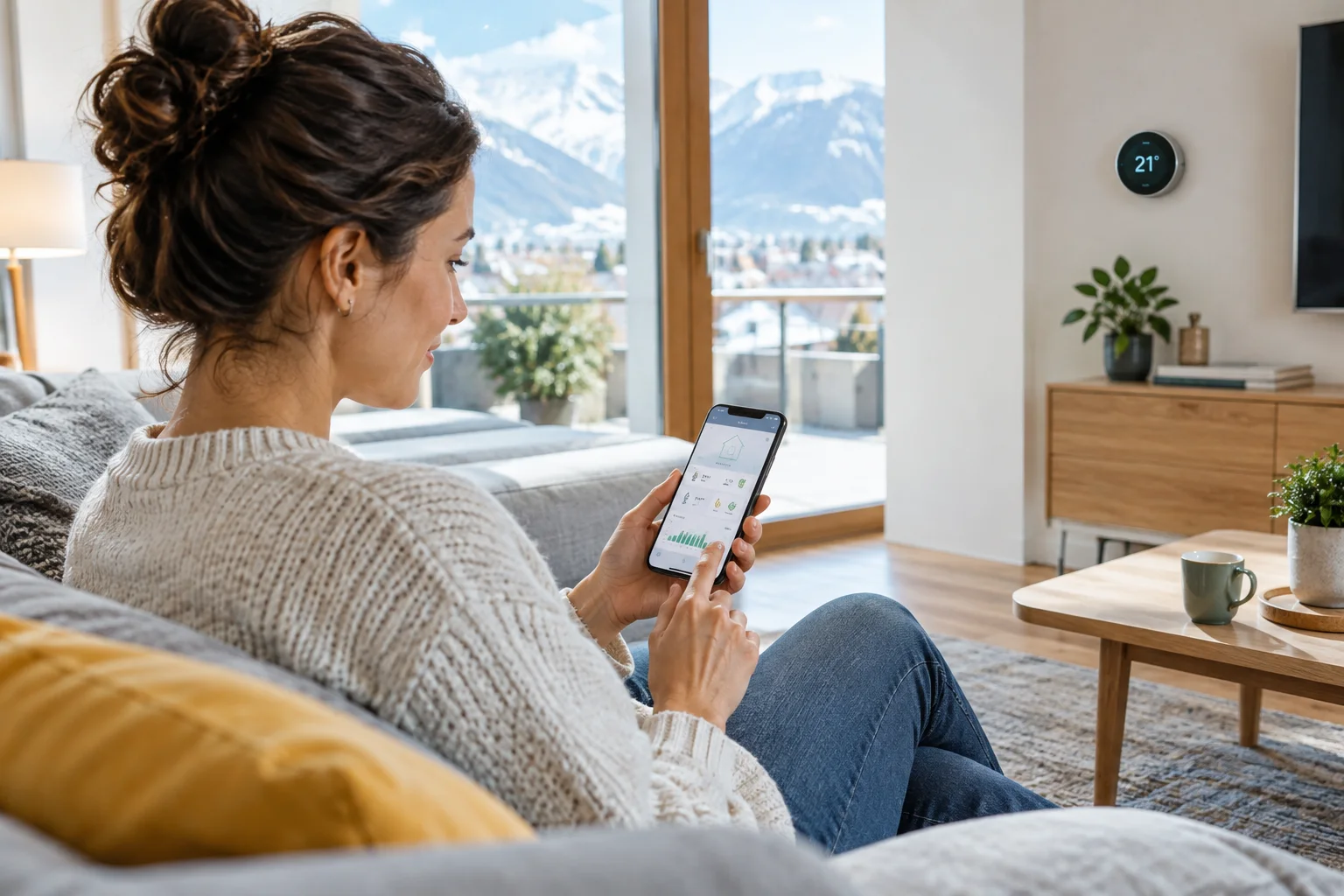
Lowering the room temperature by around 1°C can reduce heating demand, while maintaining a comfortable and healthy indoor climate. Avoid switching heating systems off completely during cold periods, as this can increase the risk of frozen pipes and moisture problems.
2. Clean and replace ventilation filters
Blocked filters make ventilation systems work harder and can reduce indoor air quality. Inspect filters according to the manufacturer’s schedule and replace or clean them as instructed. This is particularly important in kitchens, bathrooms and homes with mechanical ventilation.
Do not cover air inlets or outlets. Good airflow helps control humidity, reduce condensation and protect walls, windows and building materials from moisture damage.
3. Check windows, doors and seals
Damaged seals allow heated or cooled air to escape. Inspect window and door gaskets for cracks, gaps or signs of wear. Clean them gently and replace damaged seals with compatible products. Check that windows and doors close correctly without excessive force.
Persistent draughts, condensation between panes or difficulty closing a window may indicate a problem that requires a qualified window or building specialist. Avoid sealing ventilation openings, as this can create humidity and air-quality issues.
4. Prevent plumbing leaks and water damage
A small leak can cause significant damage over time. Periodically inspect visible pipes, valves, taps, toilets and connections under sinks. Look for damp marks, limescale, corrosion, unusual sounds or a water meter that continues to move when all taps are closed.
- Repair dripping taps and running toilets promptly.
- Keep the area around water heaters and accessible pipework dry and unobstructed.
- Know where the main water shut-off valve is located.
- Before leaving your home for an extended period, consider appropriate measures to protect against leaks and freezing temperatures.
Do not dismantle pressurised or sealed systems unless you are qualified to do so. Contact a plumber when a leak is hidden, persistent or located near electrical equipment.
5. Use electrical installations safely
Efficient energy use should never compromise electrical safety. Check plugs, cables and extension leads for heat damage, fraying, cracks or discolouration. Replace damaged equipment rather than attempting an improvised repair.
Keep ventilation openings on appliances clear and avoid overloading sockets or extension leads. Unplug chargers and devices that are not needed, or use a quality power strip with an appropriate switch. For larger energy savings, review standby consumption and consider efficient appliances when replacement is necessary.
Never open a distribution board, modify fixed wiring or work on live electrical equipment yourself. Flickering lights, repeated circuit-breaker trips, burning smells, buzzing sounds or warm sockets require prompt attention from a qualified electrician. If there is smoke, a burning smell or immediate danger, switch off the supply only if it is safe to do so and contact the emergency services or a qualified professional.
6. Maintain appliances for better efficiency
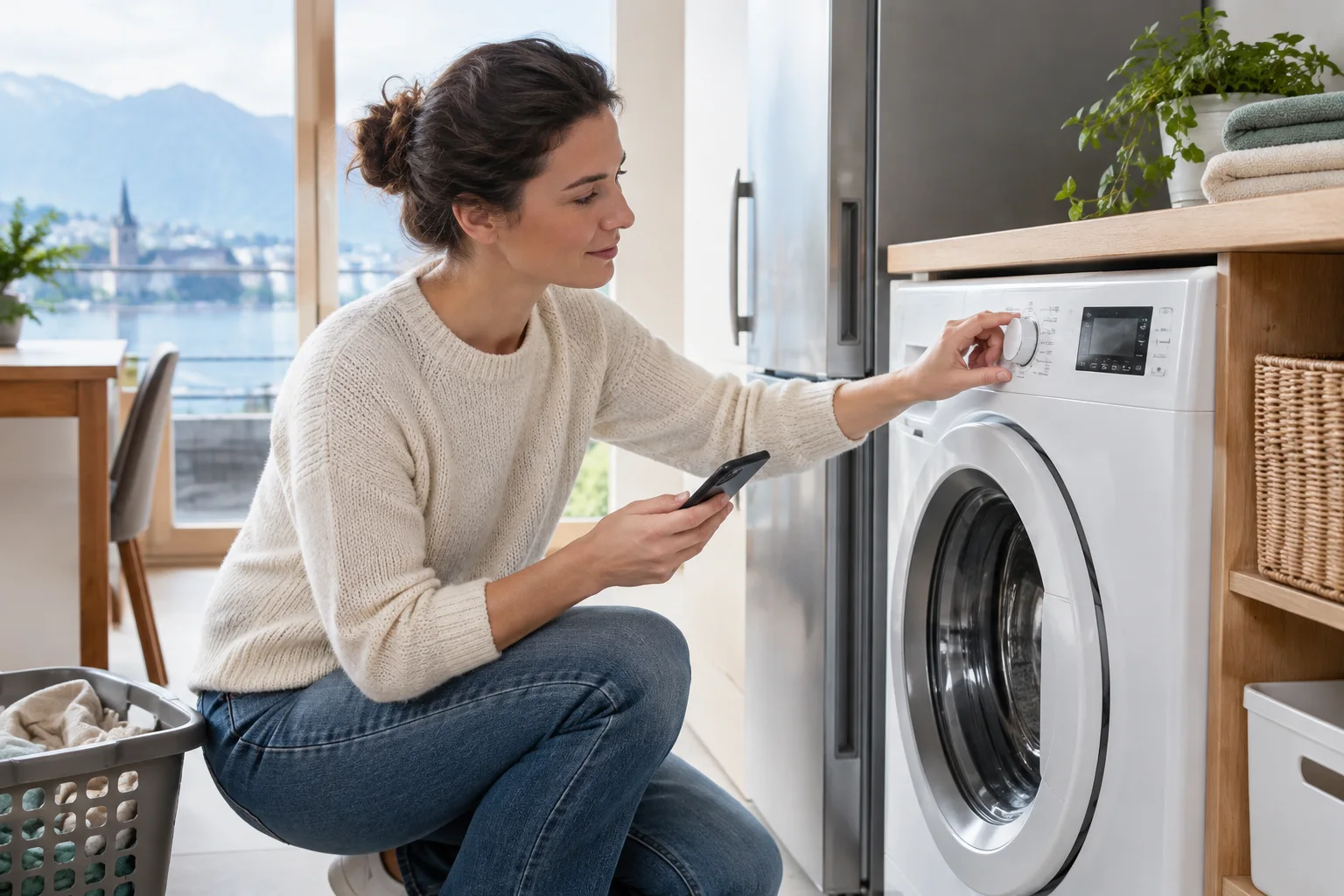
Appliances often use more energy when filters, coils or vents are blocked. Clean accessible filters in tumble dryers, extractor hoods, vacuum cleaners and air-conditioning units as recommended by the manufacturer. Defrost freezers when necessary and check that refrigerator door seals close properly.
Keep the refrigerator at the manufacturer’s recommended temperature and avoid placing hot food inside. Do not obstruct the ventilation space around refrigerators, freezers or other heat-producing appliances.
7. Protect installations with seasonal checks
A short inspection at the start of each season can identify problems early. Before winter, check heating, outdoor taps, exposed pipes and window seals. Before summer, inspect shading, ventilation and cooling equipment. After severe weather, look for water ingress, damaged external equipment or blocked drainage.
Maintain a simple record of servicing, filter changes, repairs and unusual observations. This makes it easier to plan preventive work and can provide useful information to a technician.
When to call a professional
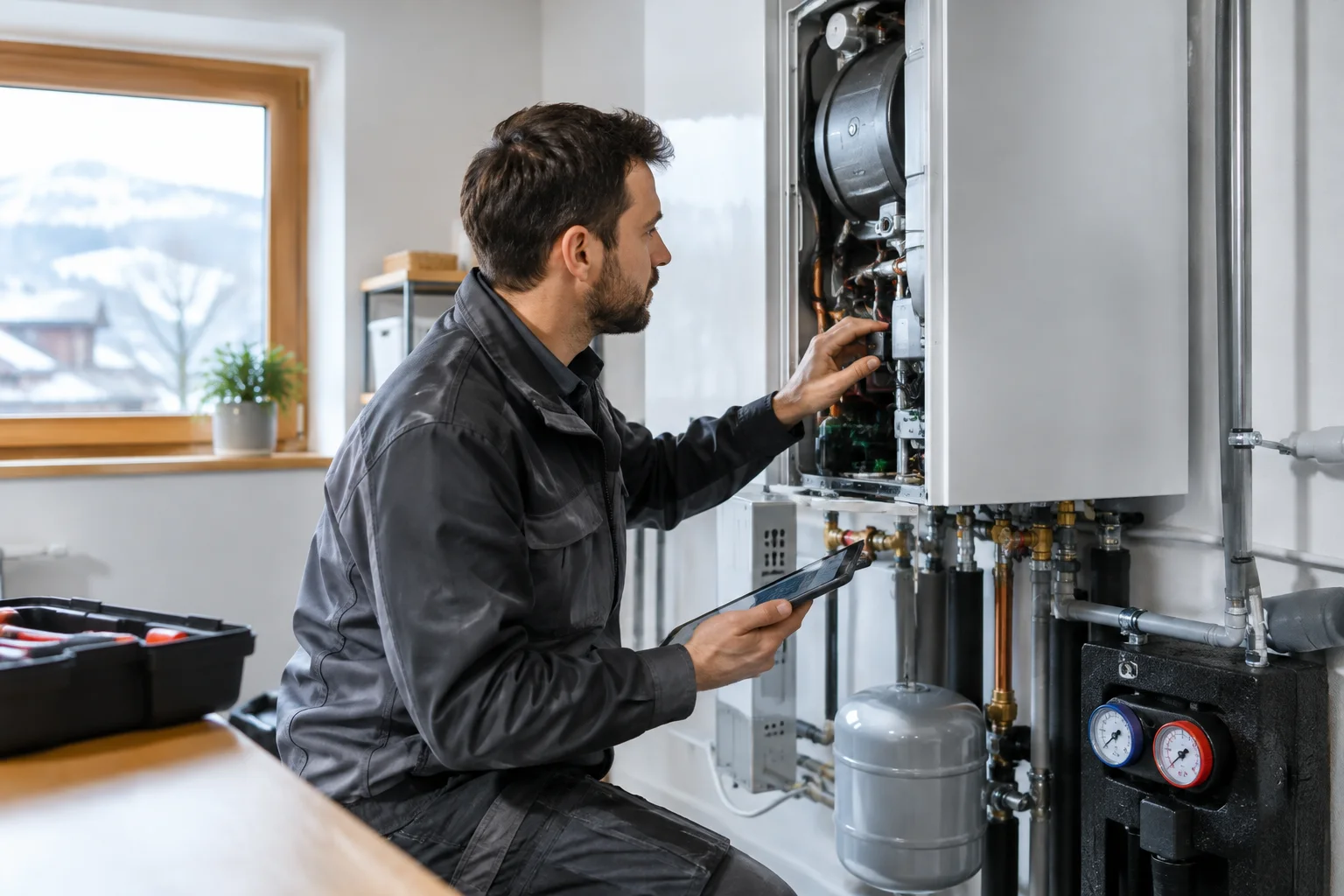
Professional maintenance is recommended for heating systems, fixed electrical installations, gas appliances, heat pumps, ventilation systems and concealed plumbing. Contact a qualified technician if you notice leaks, repeated faults, unusual smells or noises, overheating, poor performance or unexpected increases in energy use.
In Switzerland, installation and maintenance requirements can vary by canton, building type and system. Use a suitably qualified and authorised service provider, follow the manufacturer’s instructions and keep records of completed work.
A safer, more efficient home starts with prevention
Small maintenance tasks can reduce energy waste and help protect your home, but regular professional servicing remains essential for complex installations. A preventive approach improves reliability, supports indoor comfort and can help avoid emergency repairs.
LDT Services can help with planned maintenance and practical checks for home installations. Contact our team to discuss your property, identify maintenance priorities and arrange appropriate professional support.