FR
Français
 DE
Deutsch
 IT
Italiano
 EN
English
Practical Tips to Save Energy and Protect Shared Laundry Facilities
Learn how residents, landlords and property managers can reduce energy use, prevent damage and keep shared laundry rooms reliable and safe.
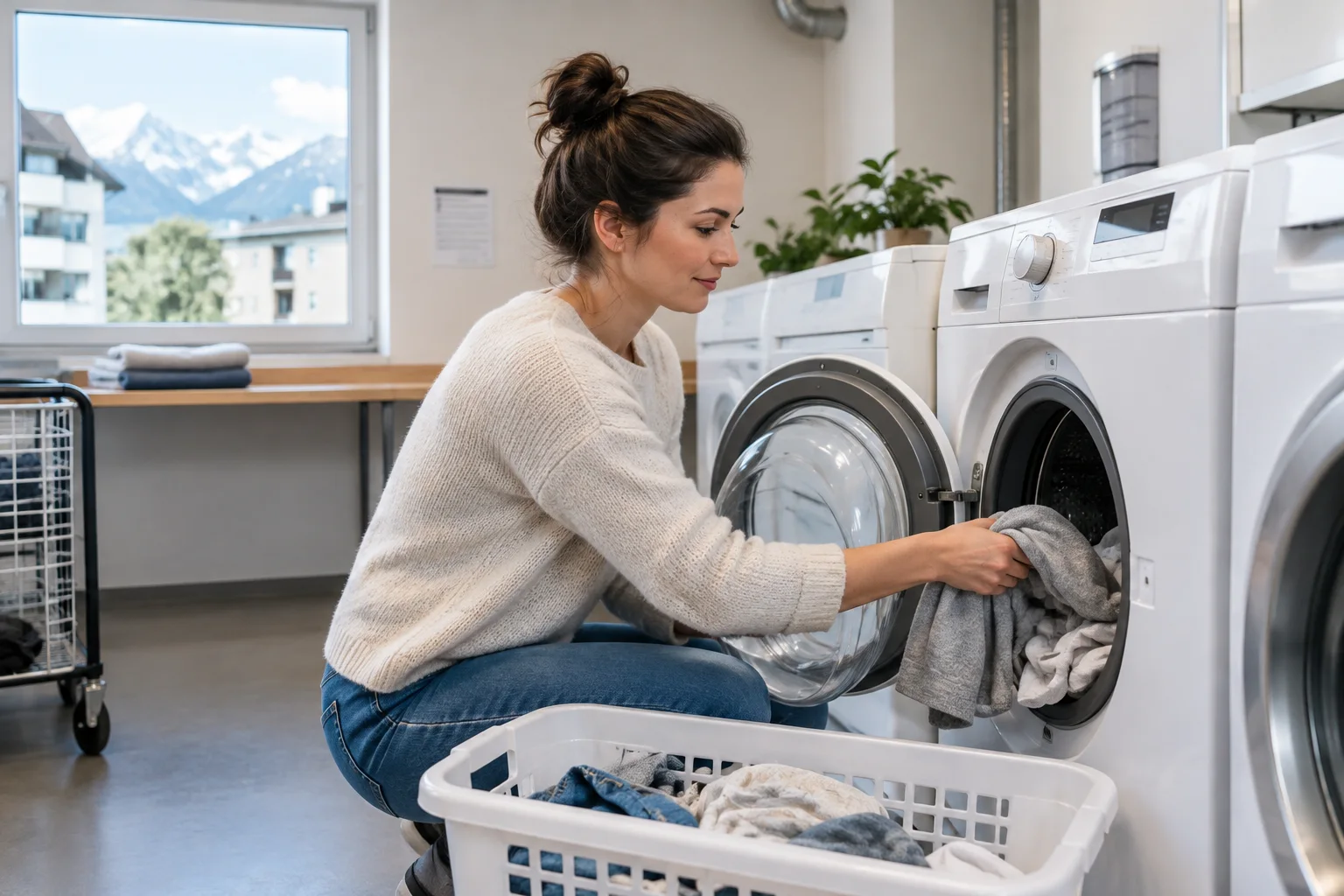
Shared laundry rooms are convenient, but washing machines, tumble dryers and ventilation systems can consume significant energy when they are used inefficiently. Good habits and regular maintenance help reduce operating costs, protect appliances and prevent avoidable damage to the building.
These practical recommendations are suitable for apartment buildings, condominium properties and other shared residential facilities in Switzerland. Always follow the appliance manufacturer’s instructions and contact a qualified professional for electrical, plumbing or ventilation work.
Use the right programme and temperature
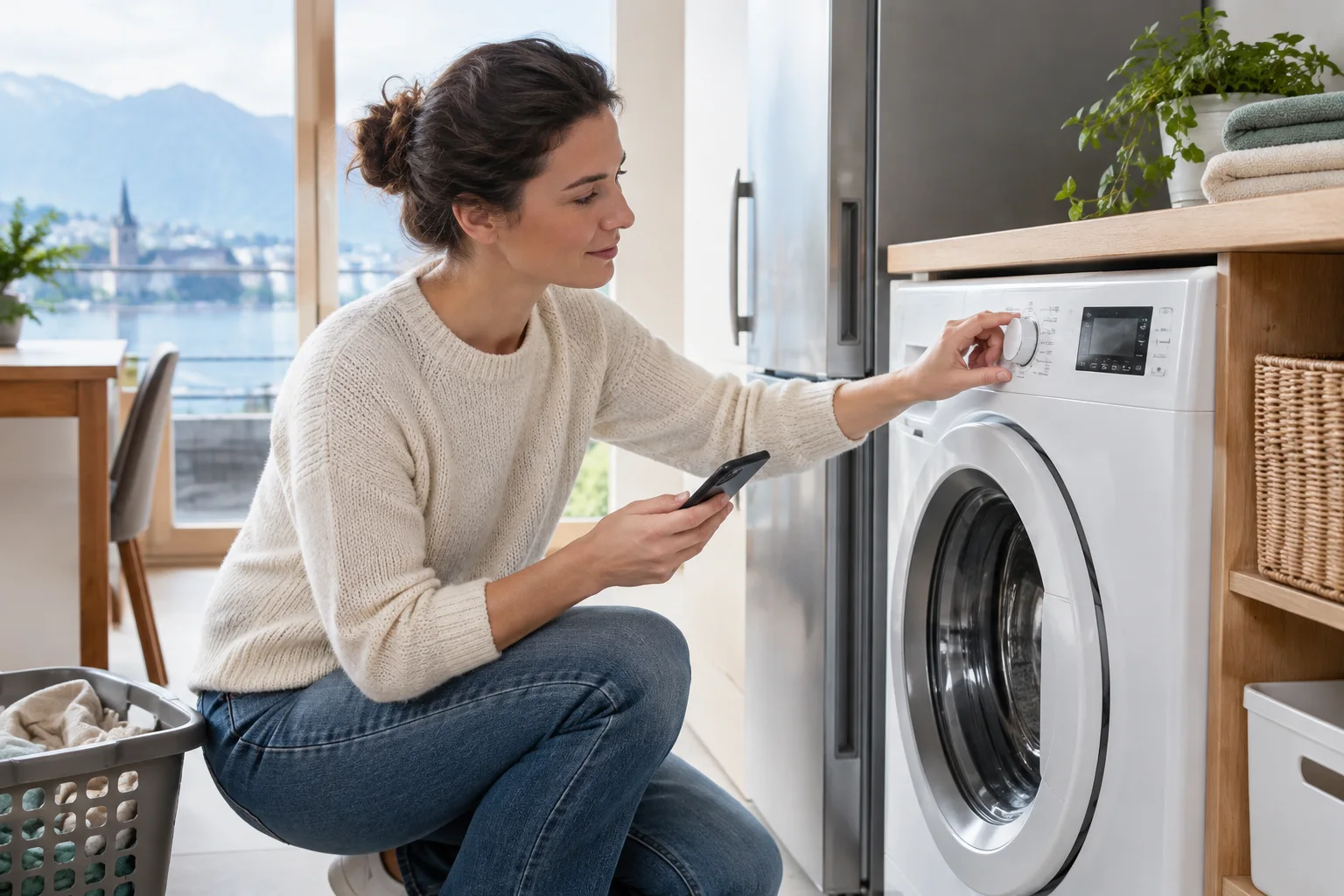
Washing at lower temperatures usually requires less energy, especially because heating the water is one of the most energy-intensive parts of a wash cycle. For normally soiled laundry, choose an eco or low-temperature programme where appropriate. Use higher temperatures only when required by the fabric, hygiene needs or the manufacturer’s care instructions.
Do not select a longer, hotter or more intensive programme than necessary. Modern eco programmes may take longer, but they are designed to use less water and energy overall.
Run full, balanced loads
Use the machine’s recommended capacity without overloading it. Underfilled machines waste energy and water per item, while overloaded machines may clean poorly, vibrate excessively or suffer premature wear. Distribute laundry evenly, particularly when washing heavier items such as towels or bedding.
In a shared facility, avoid starting a cycle for only a few items unless the laundry is urgent or the appliance instructions require it. If several residents use the room, clear communication about peak times can also help reduce unnecessary repeat cycles.
Reduce tumble-dryer consumption
Tumble dryers often use more energy than washing machines. Spin laundry at the highest speed suitable for the fabric before transferring it to the dryer. Removing more water during the wash cycle shortens drying time.
Clean the lint filter after every use, or as specified by the manufacturer. A blocked filter restricts airflow, increases energy consumption and can create a fire risk. Do not dry items that are unsuitable for tumble drying, and never cover ventilation openings.
Where possible, air-dry suitable laundry on approved drying racks or lines. Make sure shared drying areas are adequately ventilated to limit condensation and mould growth.
Keep filters, seals and detergent compartments clean
Residue, lint and detergent deposits reduce efficiency and can cause odours or blockages. Clean door seals and detergent compartments regularly. Check the washing machine filter according to the manufacturer’s instructions, placing a suitable container or cloth underneath if residual water may escape.
Only carry out cleaning that is clearly described in the user manual. Do not remove electrical covers or attempt to access internal components.
Use detergent carefully
Measure detergent according to the water hardness, load size and degree of soiling. Excess detergent does not make laundry cleaner; it can leave residue, cause excessive foaming and make the machine work harder. In Switzerland, local water hardness information may be available from the municipality or water supplier.
Never mix cleaning products, and keep detergents, descalers and other chemicals in their original containers, away from children and incompatible substances.
Protect against leaks and water damage
Inspect visible hoses and connections for cracking, bulging, corrosion or signs of moisture. Check that the appliance is stable and that doors and seals close properly. Report leaks immediately to the building manager, landlord or responsible service provider.
Do not tighten, replace or modify water connections unless you are qualified and authorised to do so. If water is leaking near electrical equipment, do not touch the appliance or plug. Keep clear of the area and arrange urgent professional assistance. If safe to do so without entering water or touching wet equipment, the responsible person may isolate the water supply and electricity in accordance with the building’s emergency procedures.
Protect the electrical installation
Plug appliances only into suitable, properly installed outlets. Do not use extension leads, multi-plug adapters or makeshift connections for washing machines or tumble dryers unless a qualified professional has specifically confirmed that the arrangement is safe and permitted.
Keep plugs, sockets and control panels dry. Never operate an appliance with a damaged cable, loose plug, burn mark, unusual smell or repeated tripping of a circuit breaker. Stop using it, warn other residents and report the issue to the property manager or a qualified electrician.
Electrical protection devices such as residual-current devices must not be bypassed or reset repeatedly when a fault persists. Repeated tripping indicates that the installation or appliance requires professional inspection.
Support good ventilation
Dryers and laundry rooms need adequate airflow. Keep ventilation grilles clear and do not block doors or vents unless the building’s ventilation system specifically requires them to remain closed. Excess humidity can damage walls, finishes and equipment, while poor airflow can increase drying times.
Report persistent condensation, mould, unusual heat or poor extraction. Ventilation systems and fixed electrical equipment should be inspected and serviced by qualified professionals.
Adopt simple shared-room rules
- Remove laundry promptly at the end of a cycle so other residents do not restart machines unnecessarily.
- Keep floors dry and remove spills immediately, while avoiding contact with electrical equipment.
- Do not place heavy objects on appliances or obstruct access to emergency shut-offs.
- Follow posted instructions for booking, cleaning and reporting faults.
- Record recurring faults, leaks or unusual noises rather than continuing to use the appliance.
When to call a professional
Arrange qualified assistance for electrical faults, damaged cables, repeated circuit-breaker trips, persistent leaks, unusual burning smells, overheating, structural vibration or appliance installation. A professional can also assess energy consumption, ventilation, water connections and protective devices as part of a planned maintenance visit.
Energy savings should never come at the expense of safety. By choosing efficient programmes, maintaining filters and seals, keeping the room ventilated and reporting faults quickly, residents and property managers can reduce costs while protecting the shared laundry installation for everyone.