FR
Français
 DE
Deutsch
 IT
Italiano
 EN
English
Practical Tips to Save Energy and Protect Building Systems
Property managers can reduce energy use, prevent avoidable damage and improve tenant comfort with a few consistent maintenance and monitoring practices.
For property managers, energy efficiency is not only about lowering utility bills. Well-maintained heating, water, electrical and ventilation systems are less likely to fail, cause damage or disrupt tenants. A practical, preventive approach can improve operating costs, protect the building and support long-term asset value.
Start with a clear overview of energy use
Before making changes, review available electricity, heating and water data for each building. Compare consumption over several billing periods and look for unusual increases, seasonal patterns or differences between similar properties.
- Record meter readings regularly and investigate unexpected changes.
- Check whether common areas, vacant units and technical rooms are consuming energy unnecessarily.
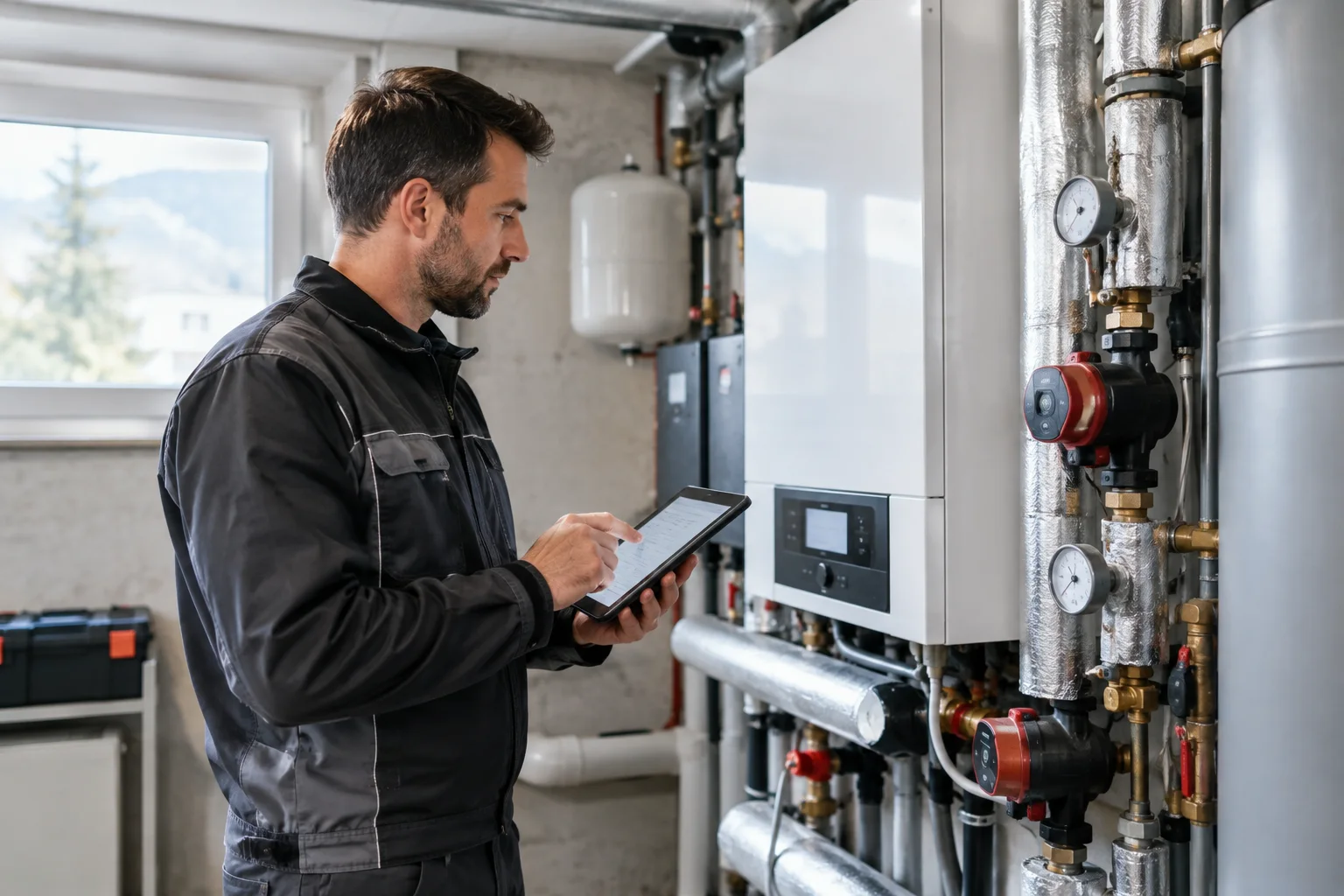
- Keep a simple maintenance log for boilers, heat pumps, ventilation systems, pumps and controls.
- Use professional energy monitoring where a building has several meters or high consumption.
A sudden increase in water use may indicate a hidden leak. Higher electricity use can result from a faulty pump, permanently operating ventilation fan or damaged control system. Early investigation is usually less costly than waiting for a breakdown.
Optimise heating without compromising comfort
Heating is often one of the largest operating costs in a property. Check that time schedules and temperature settings match the building’s actual use. Common areas, offices, storage rooms and vacant apartments may not require the same settings as occupied living spaces.
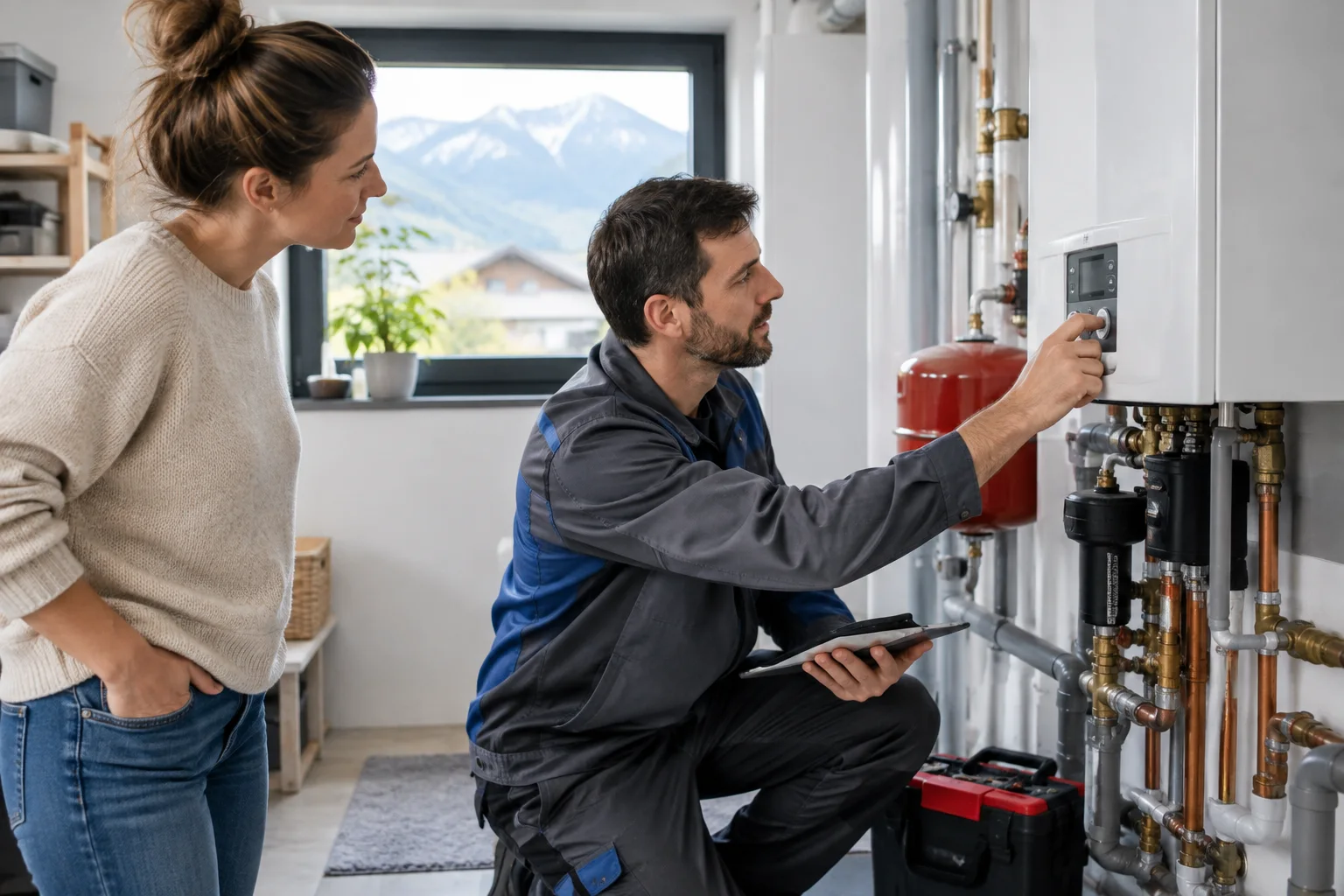
- Have heating controls, thermostatic valves and sensors checked before the heating season.
- Keep radiators and convectors clear of furniture, curtains and coverings.
- Bleed radiators only when appropriate and arrange professional checks if they remain cold, noisy or unevenly heated.
- Maintain reasonable indoor temperatures and avoid frequent manual adjustments by untrained occupants.
- Insulate accessible hot-water pipes in suitable technical areas where permitted.
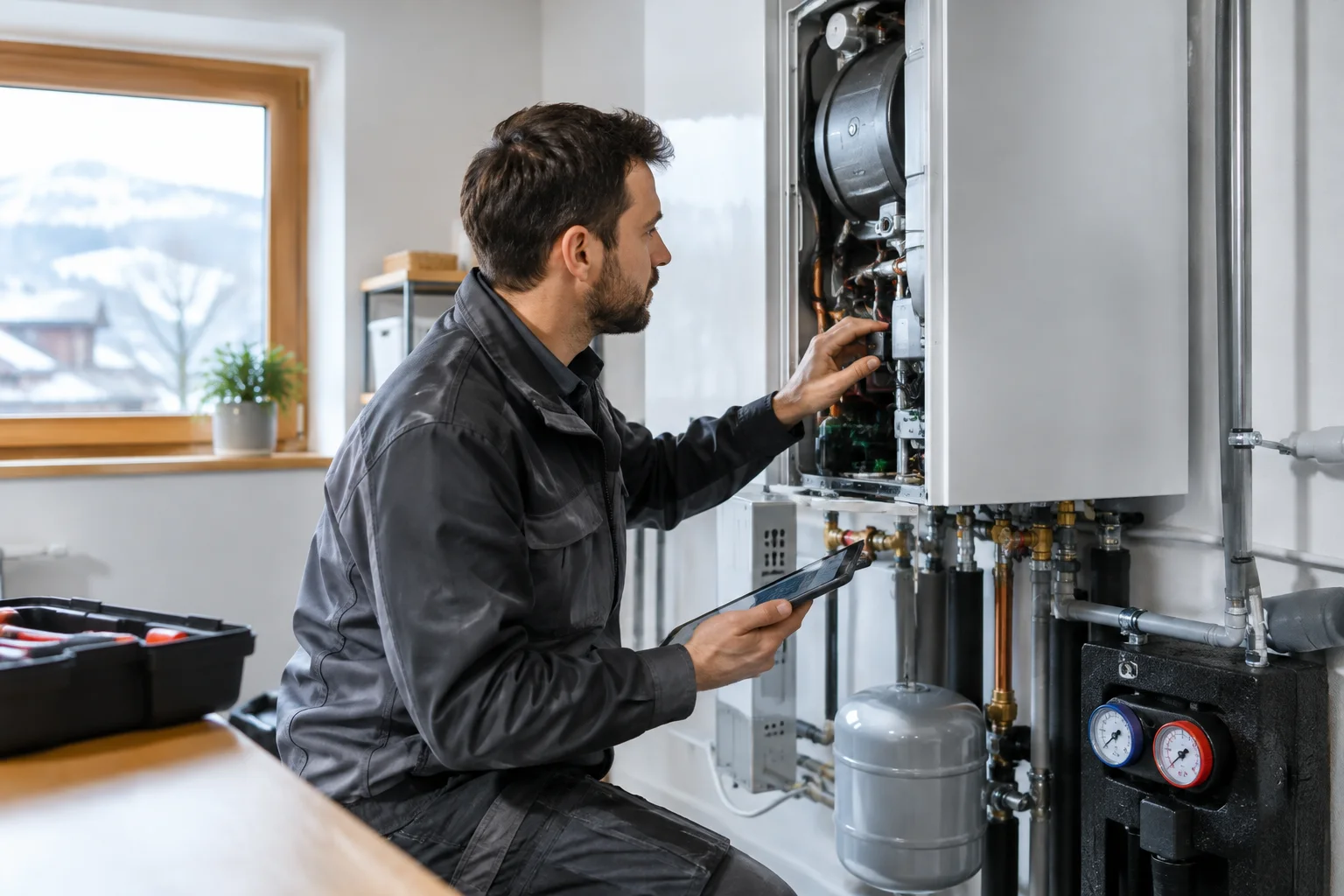
Do not alter boiler settings, gas equipment, electrical controls or safety devices without a qualified professional. Incorrect adjustments can increase emissions, cause damage or create serious safety risks.
Prevent water damage and unnecessary water consumption
Water leaks can waste resources and cause extensive damage to floors, walls and neighbouring properties. Include visible pipework, valves, toilets, taps, boilers and technical rooms in routine inspections.
- Look for damp marks, corrosion, dripping valves, unusual sounds and condensation.
- Check meter readings when a property is unoccupied.
- Test shut-off valves periodically and ensure access is clearly labelled.
- Repair leaking taps, toilet cisterns and safety valves promptly.
- Keep plant rooms free of stored items so leaks can be detected quickly.
Never block or remove a pressure-relief device. If a safety valve is discharging repeatedly, contact a qualified heating or plumbing professional to diagnose the cause.
Reduce electricity use in common areas
Lighting, pumps, ventilation and standby equipment can consume energy continuously. Practical measures include replacing failed lamps with efficient alternatives, installing suitable presence or daylight controls and switching off equipment that is not required.
Any change to fixed wiring, distribution boards, protection devices or electrical controls must be planned and completed by an authorised electrical professional. Property managers should not ask tenants or general maintenance staff to open electrical panels or carry out live electrical work.
Maintain ventilation and indoor air quality
Blocked filters and poorly maintained fans can reduce air quality and increase energy consumption. Arrange filter replacement and system inspections according to the manufacturer’s instructions and the building’s use.
- Keep ventilation grilles clear of furniture, dust and paint.
- Do not permanently seal required air inlets or exhaust grilles.
- Investigate persistent condensation, mould or stale air rather than simply increasing heating.
- Use qualified technicians for balancing, repairs and work on mechanical or controlled ventilation systems.
Protect systems during vacancies and cold weather
Vacant properties still require monitoring. Before a prolonged vacancy, confirm that heating, water and ventilation settings are appropriate, arrange periodic inspections and record the location of emergency shut-off points.
During cold weather, protect vulnerable pipework from freezing and ensure that any reduced heating strategy has been professionally assessed. If a property has been exposed to freezing conditions or a heating failure, do not restart systems blindly. Inspect for leaks and damage first.
Build a preventive maintenance plan
A written plan helps property managers move from reactive repairs to predictable maintenance. Set review dates for heating, ventilation, plumbing, electrical installations, fire protection equipment and building controls. Keep service reports, certificates, warranties and emergency contacts in one accessible location.
For Swiss properties, schedule inspections and work in line with applicable regulations, manufacturer requirements and canton-specific obligations. Use qualified, authorised contractors for regulated or safety-critical installations.
Communicate simple actions to tenants
Tenants can help reduce consumption and identify problems early when guidance is clear. Provide practical instructions about heating, ventilation, reporting leaks and keeping radiators unobstructed. Encourage prompt reporting of unusual smells, buzzing, water marks, dampness, loss of heating or repeated circuit interruptions.
Energy saving should never involve disabling smoke alarms, ventilation systems, electrical protection or other safety equipment. If there is a smell of gas, smoke, overheating, sparking or an immediate risk of water damage, follow the building’s emergency procedure and contact the appropriate emergency service or qualified contractor without delay.
Professional support for safer, more efficient properties
A reliable maintenance partner can help inspect installations, identify avoidable energy losses and prioritise repairs according to risk and budget. At LDT Services, property managers can benefit from a structured approach focused on preventive maintenance, clear reporting and safe coordination with qualified specialists.
Saving energy works best when it is combined with regular inspections and timely repairs. By monitoring consumption, maintaining technical systems and responding quickly to warning signs, property managers can protect their buildings, support tenant comfort and reduce avoidable operating costs.