FR
Français
 DE
Deutsch
 IT
Italiano
 EN
English
Practical Ways to Save Energy and Protect Your Home Installations with SmartHome
Discover how SmartHome technology can reduce energy waste, protect electrical and heating systems, and make everyday home management more efficient—without compromising safety.
SmartHome technology is not only about convenience. When correctly planned and professionally installed, it can help households in Switzerland reduce unnecessary energy use, detect unusual conditions early and protect important home installations.
From intelligent heating control to water-leak detection, connected systems provide better visibility and more responsive control. The key is to choose reliable equipment, configure it properly and ensure that electrical work is carried out by a qualified professional.
1. Control heating more precisely
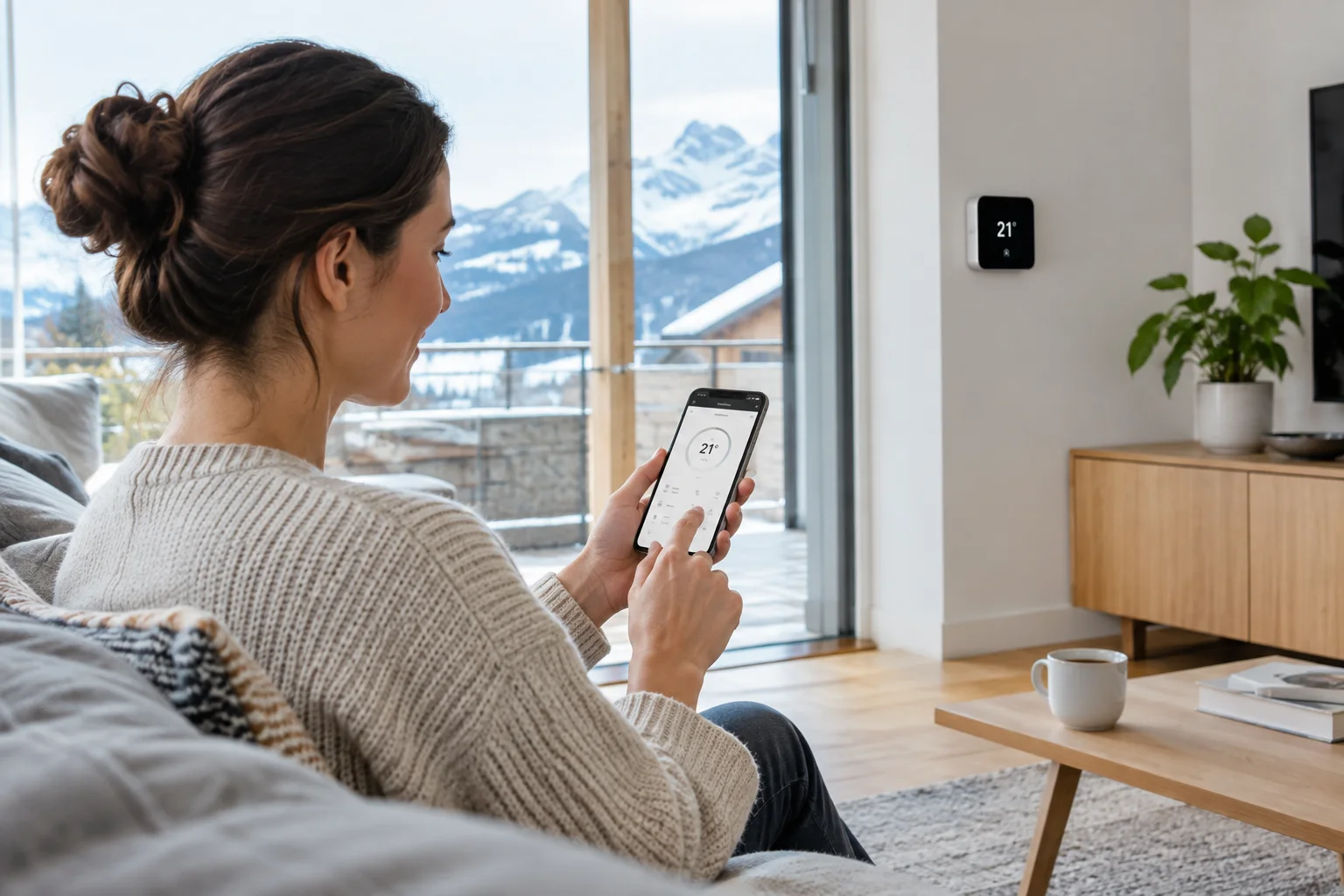
Heating is often one of the largest sources of household energy consumption. Smart thermostats and connected heating controls can adjust room temperatures according to schedules, occupancy and actual needs.
- Set lower temperatures when rooms are unoccupied or overnight.
- Use room-by-room control where appropriate instead of heating the entire home equally.
- Create holiday and absence schedules to avoid heating an empty property.
- Monitor unusual heating patterns, which may indicate a faulty sensor or inefficient system.
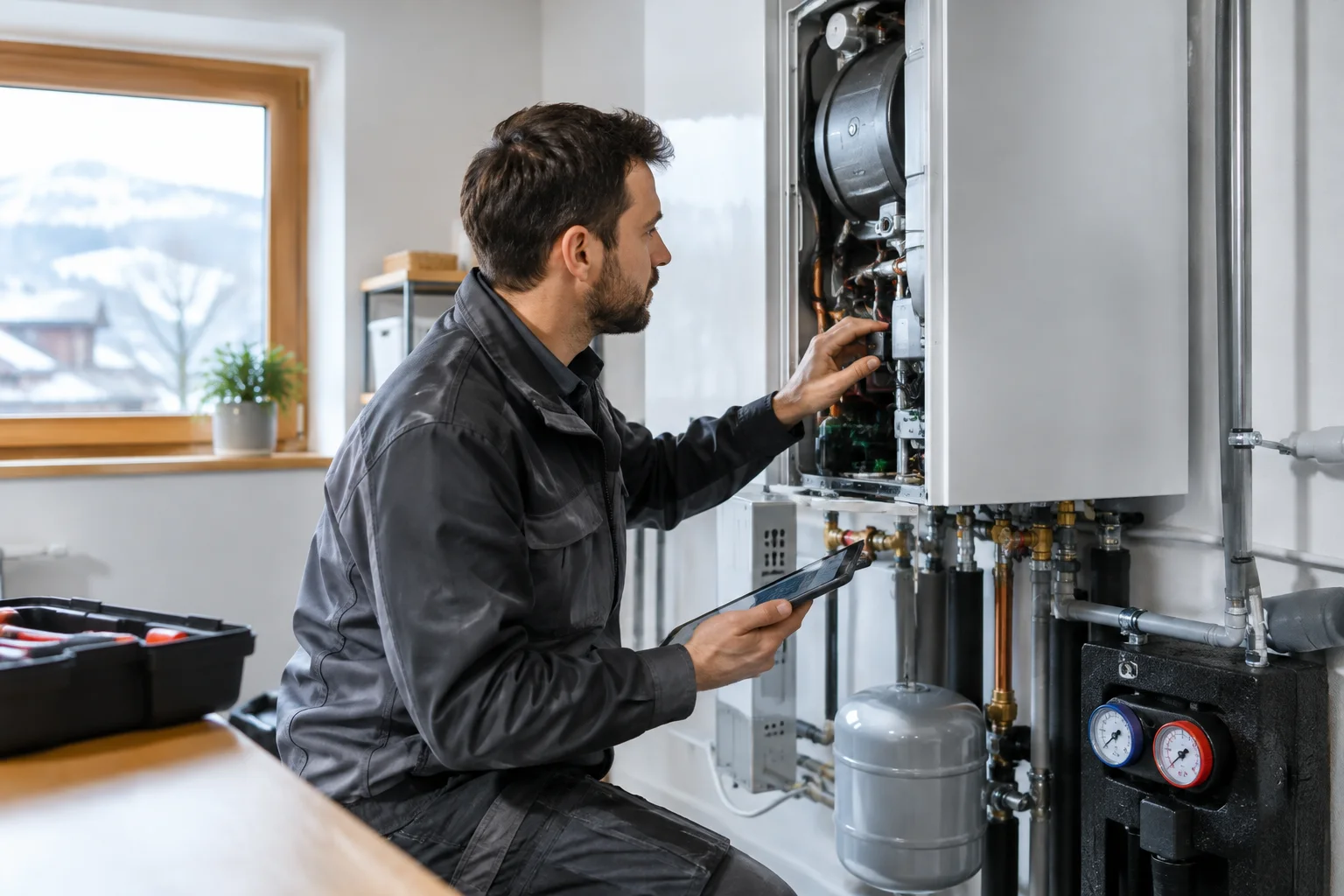
Temperature settings should remain comfortable and suitable for the building and its occupants. In homes with heat pumps, underfloor heating or other specialised systems, professional configuration is particularly important because rapid or excessive adjustments may reduce efficiency.
2. Reduce standby consumption
Many devices continue to consume electricity when they are not actively being used. Smart plugs and automated power-management features can help switch selected equipment off during defined periods.
Useful applications include entertainment systems, office equipment and non-essential chargers. Avoid disconnecting or switching off equipment that must remain operational, such as medical devices, refrigeration, alarm systems or network equipment supporting safety functions.
Choose smart plugs and control devices that are suitable for the connected load and installed in accordance with the manufacturer’s instructions. High-power appliances should not be connected to unsuitable adapters or overloaded extension leads.
3. Use lighting efficiently
Smart lighting can combine efficient LED technology with presence sensors, timers and daylight detection. This helps prevent lights from being left on unnecessarily while maintaining comfort and security.
- Use presence sensors in hallways, storage areas and utility rooms.
- Set outdoor lighting schedules carefully to balance visibility, security and energy use.
- Use dimming where it is supported by compatible lamps and control equipment.
- Review automated scenes regularly so that lights are not activated unnecessarily.
Any modification to fixed lighting circuits or electrical wiring should be handled by a qualified electrician. Smart bulbs and wireless controls do not remove the need to respect electrical safety requirements.
4. Protect against water leaks and frost
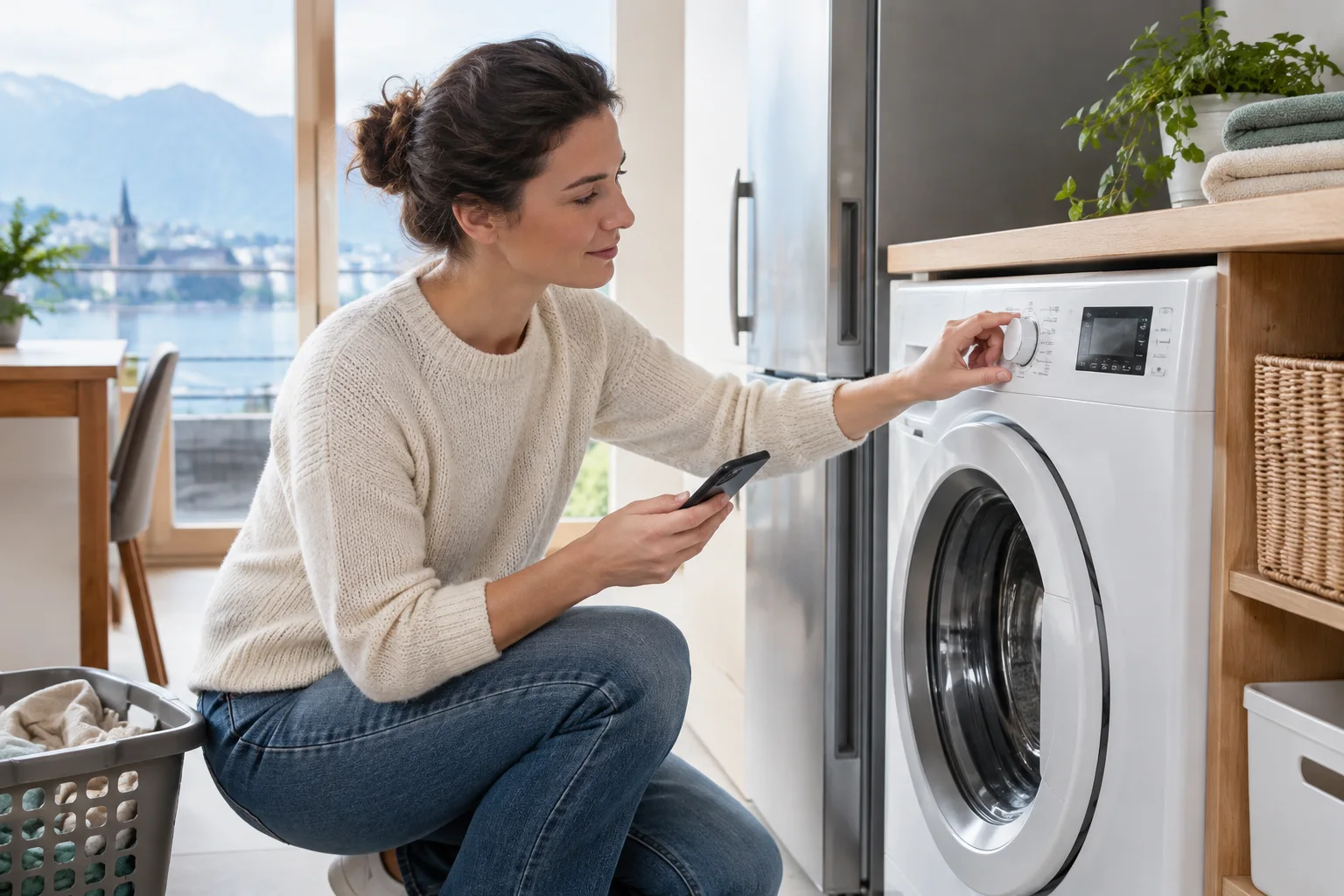
Water damage can affect floors, walls, furniture and electrical installations. Smart leak sensors placed near washing machines, water heaters, sinks and other vulnerable areas can provide early warnings through an app or audible alarm.
Some systems can also close a compatible water valve automatically. These solutions should be assessed and installed carefully, particularly in apartments, technical rooms and properties with complex plumbing.
Temperature sensors can provide additional protection during cold periods. Alerts may help identify a heating failure or an unusually low temperature before pipes are damaged. Smart monitoring is an extra safeguard, not a replacement for proper insulation, maintenance or emergency intervention.
5. Monitor electricity use
Energy monitoring systems can show consumption by circuit, appliance or time period. This information makes it easier to identify energy-intensive equipment and evaluate whether changes are delivering real savings.
Look for persistent consumption during periods when the home should be inactive. Unexpected readings may indicate inefficient equipment, incorrect schedules or a technical fault. Do not open distribution boards or attempt to install measurement equipment yourself. Work inside electrical installations must be performed by an authorised professional.
6. Protect installations with alerts and maintenance reminders
A SmartHome platform can centralise alerts for smoke detection, abnormal temperatures, power interruptions, leaks and other conditions. It can also provide reminders for filter replacement, heating servicing and battery changes.
Alerts are only useful when they are configured, tested and acted upon. Review notification settings regularly, ensure that more than one household member can receive important warnings and replace backup batteries before they reach the end of their service life.
7. Improve cybersecurity and privacy
Connected devices form part of your digital home environment. Protect them with strong, unique passwords, current firmware and a secure home network.
- Change default administrator credentials immediately.
- Enable multi-factor authentication when available.
- Install manufacturer updates from official sources.
- Remove devices and user accounts that are no longer needed.
- Check which data the system collects and where it is stored.
For larger installations, separate SmartHome devices from computers and sensitive business systems on the network. A professional can help design a secure and reliable setup.
8. Plan the system before buying devices
Buying individual connected products without checking compatibility can create unreliable automations and difficult maintenance. Before choosing equipment, consider the home’s heating system, electrical installation, network coverage, future expansion and the needs of all occupants.
A professional SmartHome assessment can identify practical improvements, select compatible devices and create clear operating scenarios. It can also help avoid solutions that depend on a single unsupported app or cloud service.
Safety first: when to call a professional
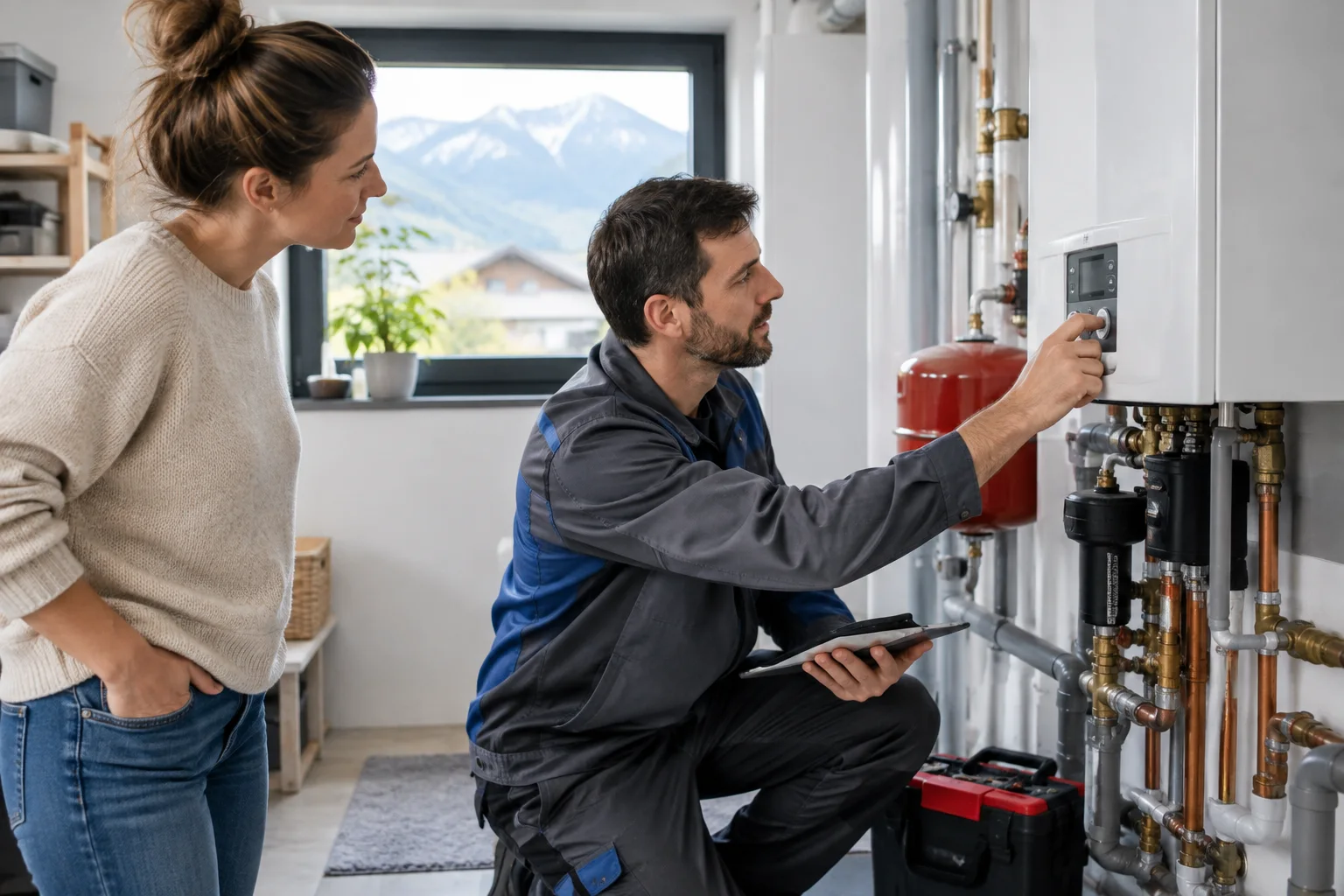
Contact a qualified electrical or SmartHome professional if you notice overheating, burning smells, buzzing sounds, repeated circuit interruptions, damaged cables, water near electrical equipment or unexplained energy consumption.
Do not remove covers from distribution boards, alter fixed wiring or bypass protective devices. SmartHome equipment must be installed and commissioned in accordance with applicable Swiss requirements, manufacturer instructions and the characteristics of the property.
A practical starting checklist
- Identify the home’s main energy consumers.
- Check whether heating schedules match actual occupancy.
- Consider presence-based lighting in selected rooms.
- Install suitable leak and temperature monitoring in vulnerable areas.
- Review connected-device passwords, updates and user access.
- Arrange a professional inspection before modifying fixed electrical installations.