FR
Français
 DE
Deutsch
 IT
Italiano
 EN
English
Practical SmartHome Tips to Save Energy and Protect Your Home Installations
Learn how a well-planned SmartHome system can reduce energy waste, protect electrical equipment and improve everyday comfort—without compromising safety.
SmartHome technology can do more than control lights from your phone. Used correctly, it can help reduce unnecessary energy consumption, identify unusual behaviour and protect household installations from avoidable damage. The key is to combine reliable devices, sensible automation and professional installation where electrical work is involved.
For homes in Switzerland, energy savings are particularly relevant during the heating season and when electricity demand is high. The following practical measures can help you make your home more efficient while keeping safety in mind.
Start with an overview of your energy use
Before installing smart devices, identify where energy is being used. Smart electricity meters, energy-monitoring plugs and compatible home-energy management systems can show consumption by appliance, room or time of day.
- Check how much energy heating, hot water, cooking and laundry use.
- Look for standby consumption from entertainment systems, chargers and office equipment.
- Compare weekday and weekend consumption patterns.
- Investigate sudden increases instead of assuming they are normal.
Measurements are more useful than guesses. However, monitoring devices should be installed and configured according to the manufacturer’s instructions. Equipment connected directly to the electrical installation should be handled by a qualified professional.
Automate heating without sacrificing comfort
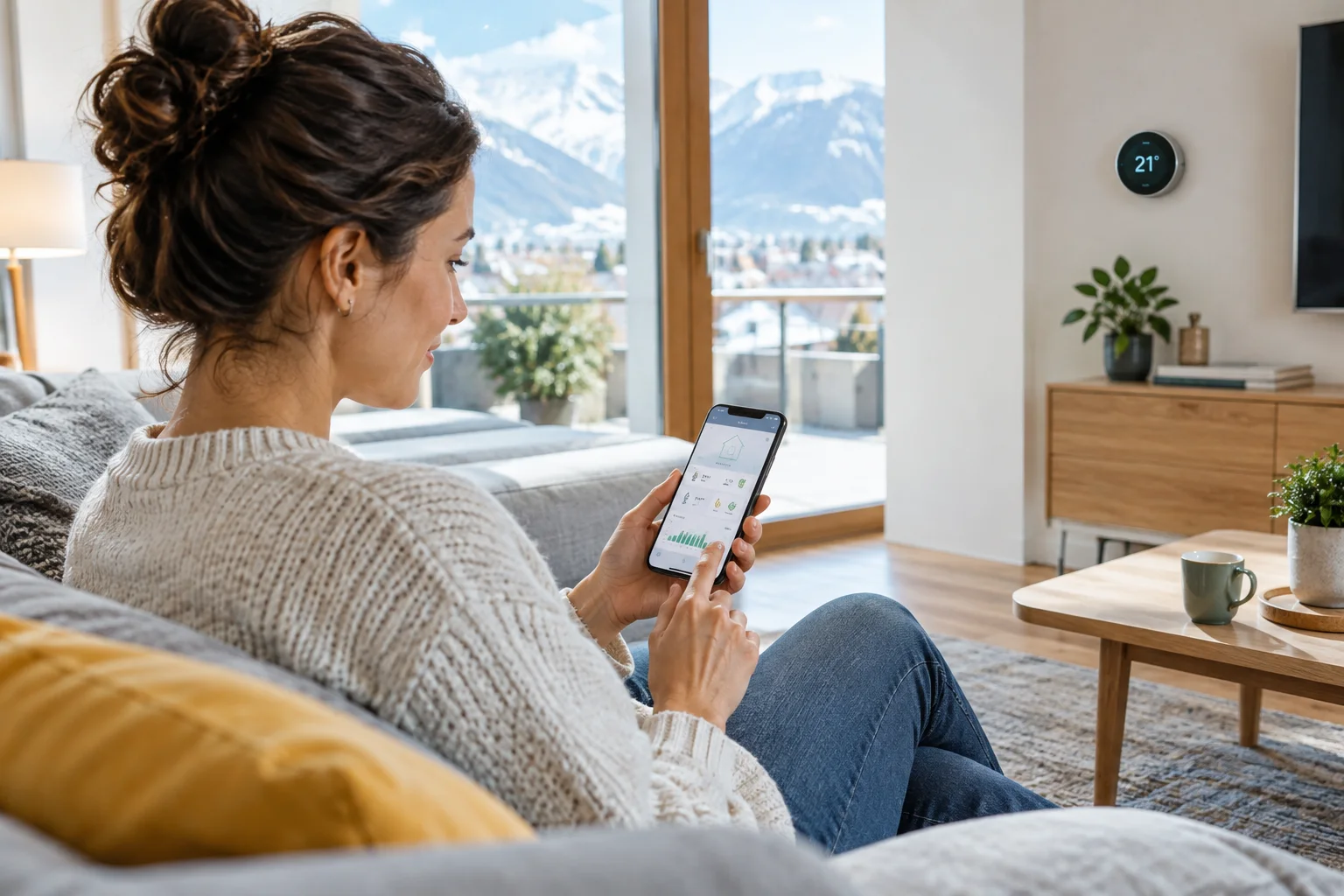
Smart thermostats and room sensors can adjust heating according to occupancy, schedules and indoor temperature. For example, heating can be reduced while the home is empty and restored before residents return.
To use smart heating efficiently:
- Set realistic temperature targets rather than making frequent manual changes.
- Use room-by-room schedules where appropriate.
- Avoid placing temperature sensors near radiators, windows, doors or direct sunlight.
- Keep radiators and thermostatic valves unobstructed.
- Review automation after a few weeks and adjust it to actual routines.
Smart controls cannot compensate for poor insulation, blocked radiators or a faulty heating system. If rooms remain cold, heat unevenly or show signs of moisture, arrange a professional inspection.
Reduce lighting consumption with intelligent control
LED lighting already uses less electricity than older lamp technologies. Smart control can provide additional savings by switching lights off when rooms are unoccupied or reducing brightness when full output is unnecessary.
Useful options include motion sensors for corridors and utility rooms, daylight sensors near windows, and timers for outdoor lighting. Avoid programming outdoor lights to remain on all night unless there is a specific security or access requirement. Choose products designed for their installation location, especially in damp areas or outdoors.
Eliminate unnecessary standby consumption
Smart plugs and switched power strips can disconnect selected devices when they are not needed. They are particularly useful for home-office equipment, entertainment systems and chargers.
Use them carefully:
- Do not switch off equipment that must remain active for safety, heating control, security, refrigeration or medical purposes.
- Check the plug’s maximum load before connecting appliances.
- Do not connect high-power appliances to unsuitable smart plugs or adapters.
- Avoid placing plugs where they may be exposed to water, heat or mechanical damage.
Some appliances, including refrigerators, freezers and heat pumps, should not be repeatedly disconnected without checking the manufacturer’s guidance.
Protect equipment with alerts and monitoring
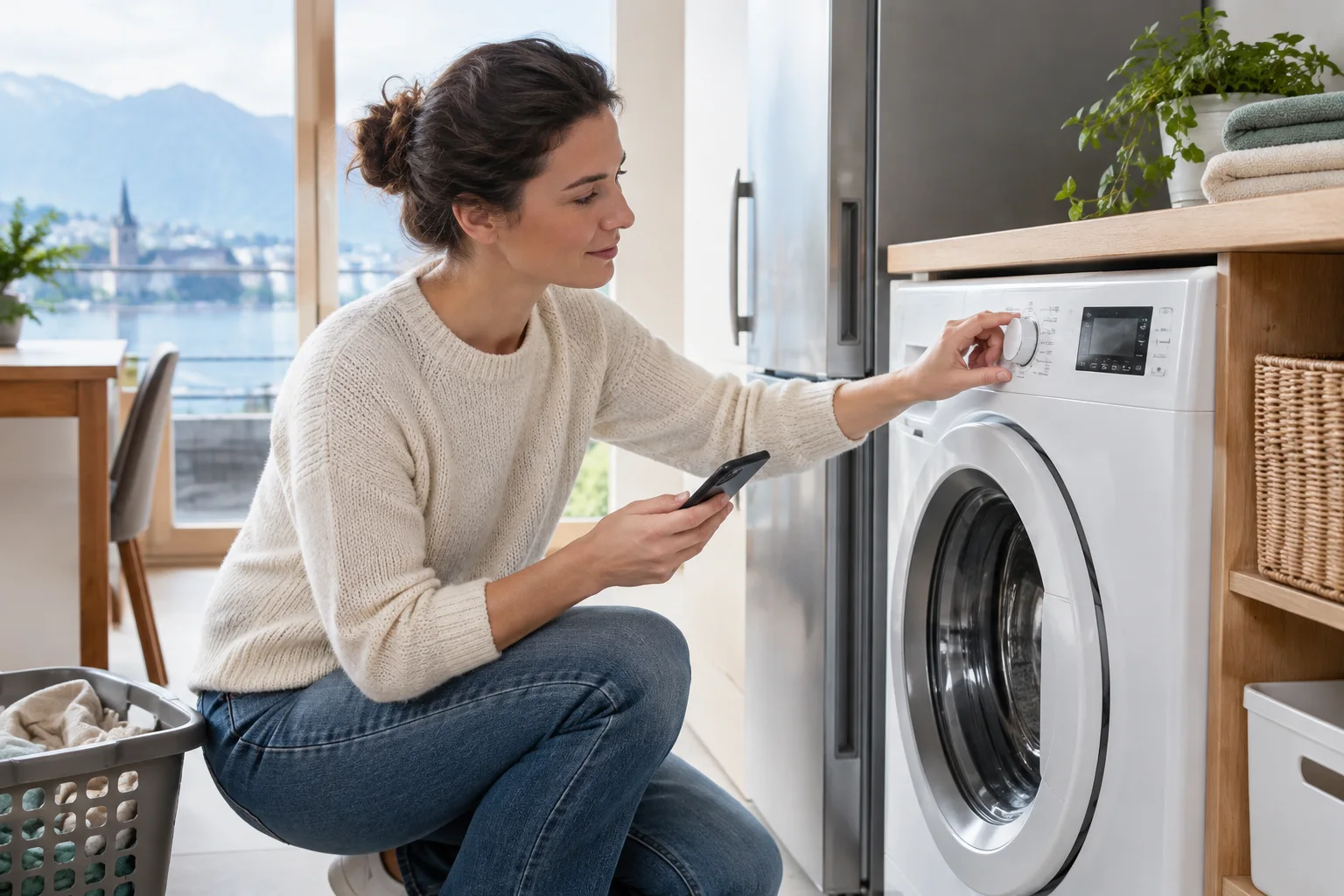
SmartHome systems can provide early warnings before a small issue becomes expensive damage. Water-leak sensors near washing machines, dishwashers, boilers and plumbing connections can send alerts when moisture is detected. Temperature sensors can help identify freezing conditions in basements, garages or holiday homes.
Other useful alerts include:
- Unusual electricity consumption.
- Loss of power or internet connection.
- Smoke or carbon-monoxide detection from approved safety devices.
- Unexpected opening of doors, windows or technical-room access points.
- Abnormally high humidity that could contribute to mould or condensation.
Alerts are only effective when they are tested and acted upon. Check batteries, notification settings and emergency contacts regularly. Smart sensors complement—but do not replace—legally required smoke alarms, professional maintenance or emergency services.
Manage solar power and electric vehicles intelligently
If your property has photovoltaic panels, battery storage or an electric vehicle, a home-energy management system can help use electricity when it is available and reduce avoidable grid consumption. For example, charging an EV or running selected appliances during periods of solar production may improve self-consumption.
Any changes involving solar installations, batteries, charging stations or fixed electrical circuits require appropriate technical assessment and qualified installation. High currents and stored energy can create serious fire, shock and equipment risks. Never modify protective devices, wiring or distribution boards yourself.
Keep the network and connected devices secure
Energy savings should not come at the expense of digital security. Use unique passwords, enable multi-factor authentication where available and install firmware updates. Separate SmartHome devices from sensitive computers and personal data when your router supports guest or IoT networks.
Choose products from manufacturers that provide security updates and clear privacy information. Remove old devices from your account before selling or disposing of them, and review which users and apps have access to your SmartHome system.
Plan automations that fail safely
A reliable SmartHome should continue to be safe if the internet, app or central controller stops working. Prefer devices that retain local schedules or manual control. Make sure essential lighting, heating and access systems can still be operated without a phone.
Avoid automations that create hazards, such as locking doors when people may still be inside, switching off essential equipment or operating appliances without supervision. Test new routines at a suitable time and keep a simple record of what each automation does.
When to involve a professional
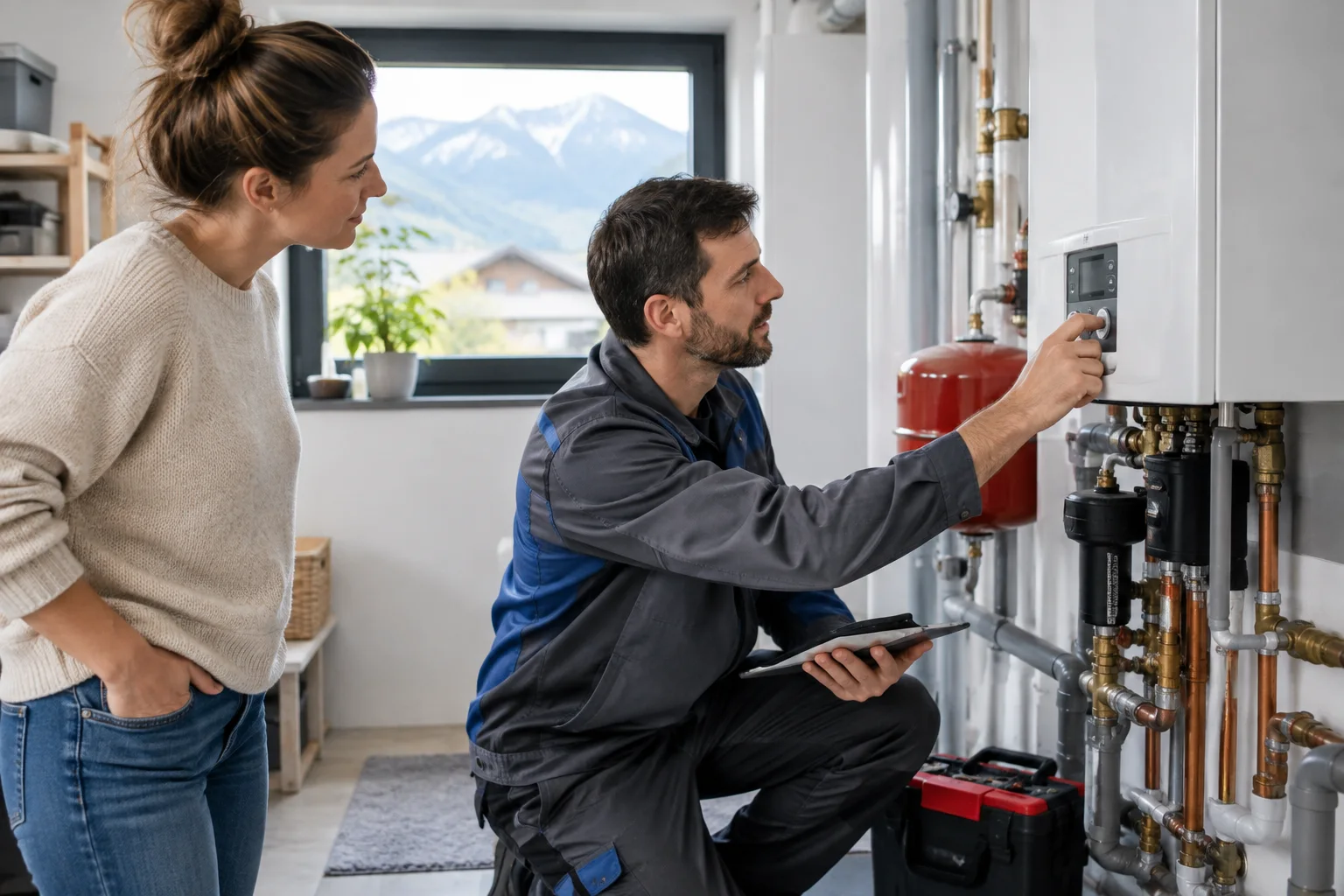
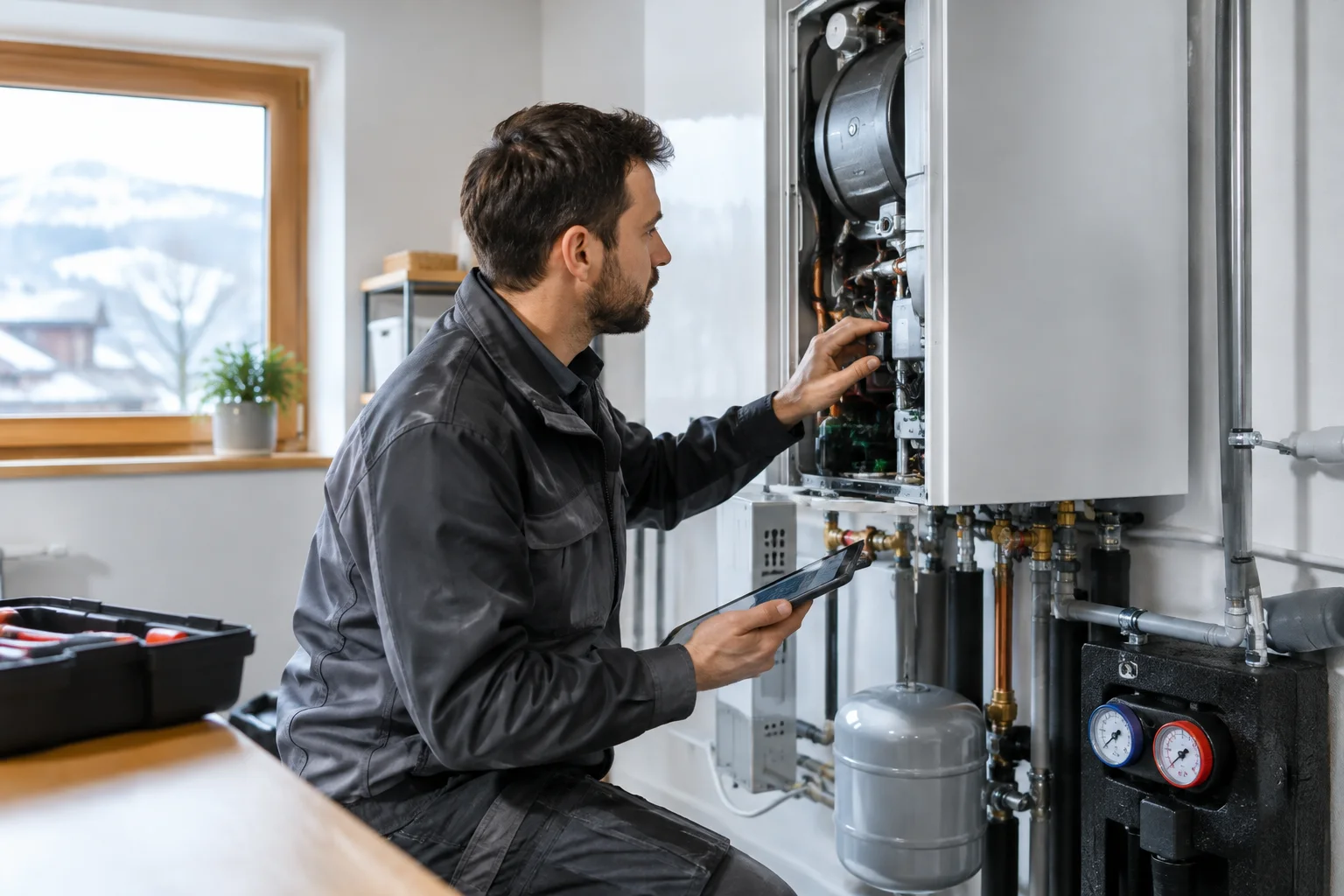
Professional help is recommended for new circuits, fixed wiring, distribution-board work, lighting changes, thermostatic controls connected to building systems, EV chargers, photovoltaic systems and any fault that causes tripped breakers, overheating, buzzing or burning smells.
Do not remove covers, bypass protective devices or work on live electrical equipment. If you notice smoke, sparking, a burning smell or unusual heat, switch off the affected equipment only if it is safe to do so, leave the area if necessary and contact a qualified electrician or emergency service.
A practical SmartHome checklist
- Measure consumption before buying devices.
- Start with one clear goal, such as heating control or leak detection.
- Choose compatible, supported products with manual controls.
- Install sensors in suitable locations and test their alerts.
- Review automations regularly as household routines change.
- Protect accounts, Wi-Fi access and personal data.
- Use a qualified professional for fixed electrical work and high-power equipment.
A SmartHome does not need to be complicated to be useful. A few well-chosen sensors, reliable controls and professionally installed equipment can reduce energy waste, improve comfort and provide valuable protection for your home and its installations.
Need help planning or upgrading a SmartHome system in Switzerland? LDT Services can assess your requirements and help identify practical, safe solutions for energy management, monitoring and home automation.