FR
Français
 DE
Deutsch
 IT
Italiano
 EN
English
Practical Ways to Save Energy and Protect Your Appliances
Simple, safe habits can reduce household energy use, extend appliance life and help prevent avoidable damage. Discover practical advice for refrigerators, washing machines, dishwashers, ovens and more.
Household appliances account for a significant share of a home’s electricity use. The good news is that small changes to how you choose, use and maintain them can reduce energy consumption while helping protect your equipment from premature wear.
These practical recommendations apply to everyday homes in Switzerland. Always follow the manufacturer’s instructions, and contact a qualified professional for electrical faults, damaged cables, unusual smells or installation work.
Choose efficient appliances
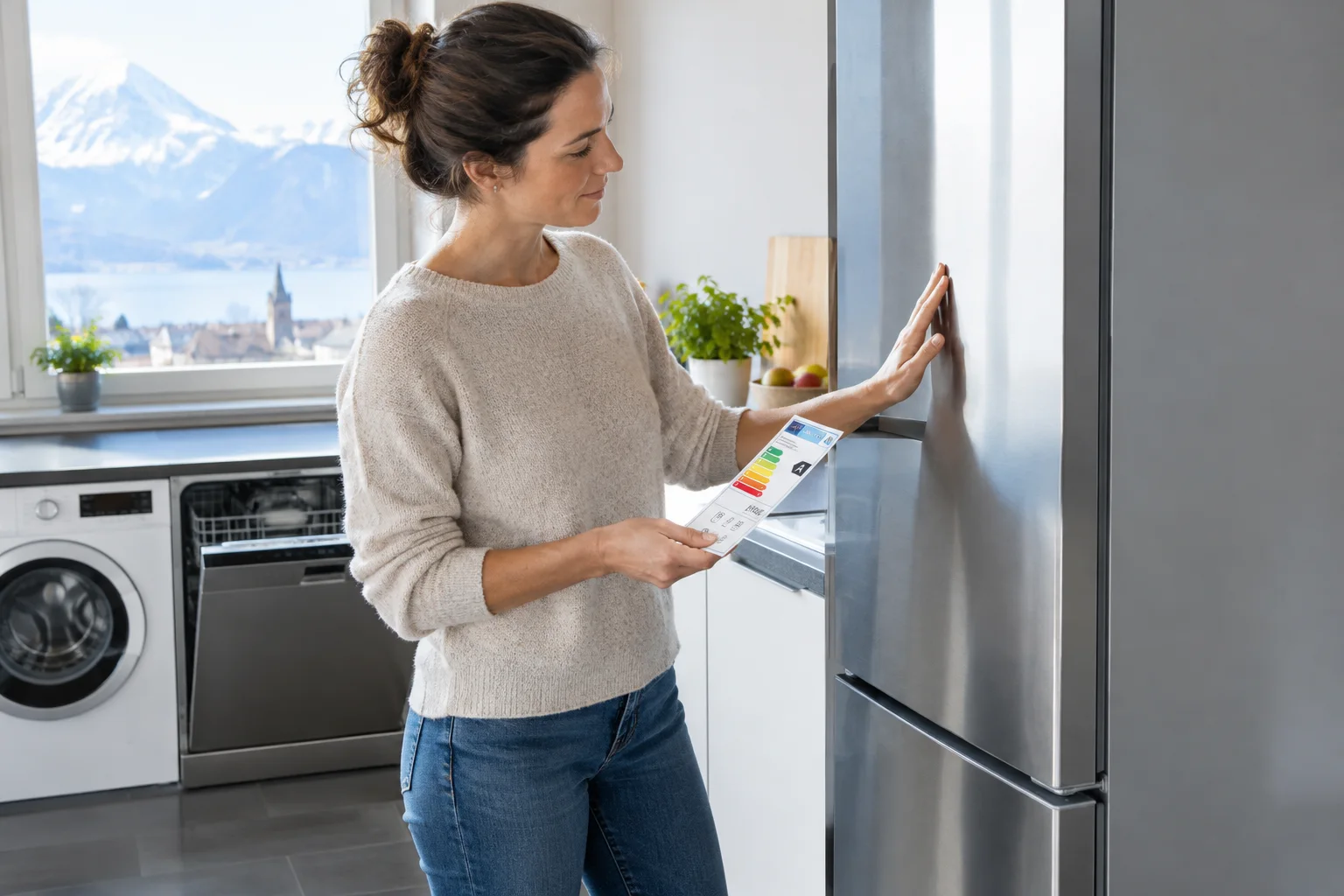
When replacing an appliance, compare its energy label, capacity and expected running costs—not just its purchase price. An appliance that is slightly more expensive to buy may cost less over its lifetime if it uses less electricity and water.
- Choose a size that matches your household’s needs. An oversized appliance can waste energy when only partly loaded.
- Check the energy label and compare annual consumption between models.
- Consider repairability, availability of spare parts and the manufacturer’s maintenance guidance.
- Use qualified installers for appliances that require fixed connections, water connections or ventilation.
Reduce standby consumption safely
Many appliances continue to use a small amount of electricity while in standby mode. Switch off devices completely when practical, especially during holidays or long periods away from home.
For groups of compatible plug-in devices, a properly rated power strip with an accessible switch can make shutdown easier. Do not overload sockets or power strips, and never use damaged extension leads. Fixed wiring, new sockets and repairs should be handled by a qualified electrician.
Use refrigerators and freezers efficiently
Refrigerators and freezers operate continuously, so their condition and settings have a noticeable effect on energy use.
- Keep the refrigerator at approximately 4°C and the freezer at approximately −18°C, unless the manufacturer recommends otherwise.
- Allow hot food to cool before placing it in the refrigerator, while following food-safety guidance.
- Keep doors closed and check that seals are clean, flexible and making good contact.
- Leave space around ventilation areas as specified in the user manual.
- Defrost manual-defrost freezers when ice build-up becomes significant.
- Remove dust from accessible external ventilation areas only when the appliance is unplugged and the manufacturer permits it.
If a refrigerator is unusually hot, constantly running, leaking, or making new and persistent noises, arrange a professional inspection.
Make washing machines and dishwashers work efficiently
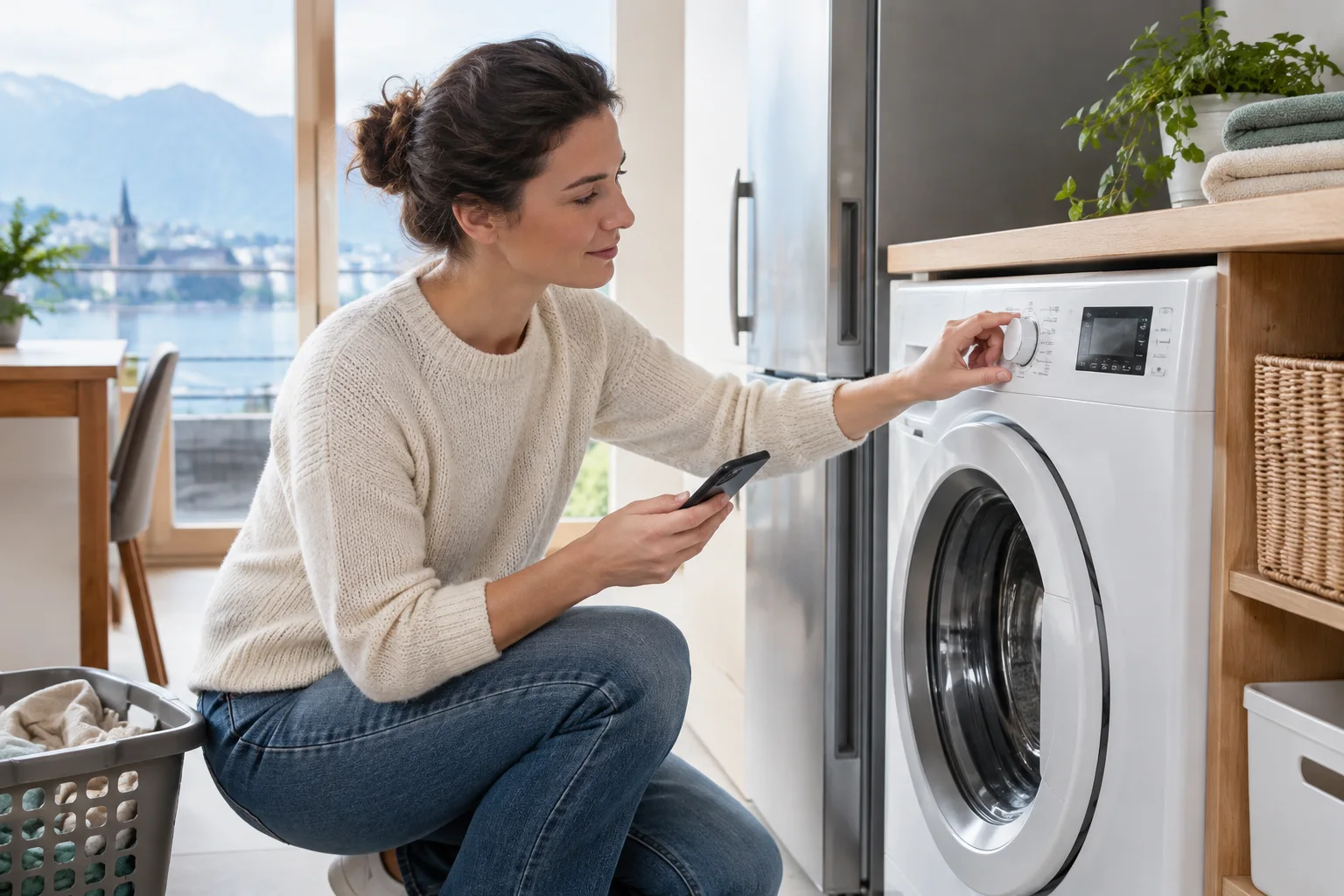
Run washing machines and dishwashers with full, balanced loads whenever possible. Avoid overloading, as this can reduce cleaning performance and place extra strain on the appliance.
- Use eco programmes when they suit the load and allow enough time for the cycle.
- Select lower temperatures for normally soiled laundry when appropriate.
- Clean filters and detergent compartments according to the manufacturer’s instructions.
- Check hoses for signs of wear, kinks or leaks, and replace them through a qualified service provider when necessary.
- Leave the door or lid slightly open after use if the manual allows it, helping the interior dry and reducing odours.
Never continue using an appliance that is leaking near electrical components. Isolate the appliance according to the manufacturer’s instructions and seek professional assistance.
Use ovens and cooking appliances wisely
For ovens, avoid opening the door repeatedly during cooking, as heat escapes each time. Use the fan setting when suitable, and cook several items together when the recipe and food-safety requirements allow it.
Keep seals, trays and ventilation openings clean. Replace damaged door seals through an authorised service provider. Do not cover ventilation openings or use cooking appliances for purposes they were not designed for.
Maintain tumble dryers and ventilation systems
Tumble dryers can use considerable energy. Spin laundry thoroughly in the washing machine, clean the lint filter after each cycle and keep air paths clear in line with the manufacturer’s instructions. A blocked filter or vent can reduce performance and increase overheating risk.
Ensure the room is adequately ventilated where required. If the dryer becomes unusually hot, stops repeatedly or produces a burning smell, stop using it and arrange a professional check.
Protect appliances from power problems
Surges, voltage disturbances and poor connections can damage sensitive electronics. Use only protection equipment that is suitable for the appliance and installed according to the manufacturer’s guidance. For valuable equipment or homes with recurring power issues, ask a qualified electrician to assess the installation and recommend an appropriate solution.
Do not bypass fuses, remove protective devices or attempt to repair internal appliance components yourself. Signs such as repeated tripping, sparks, smoke, burning smells or tingling from a casing require immediate attention from a qualified professional.
Create a simple maintenance routine
A short quarterly check can prevent many avoidable problems:
- Inspect visible cables, plugs, hoses and seals for damage.
- Clean filters, ventilation areas and detergent compartments as directed.
- Check for leaks, unusual sounds, excessive heat or changes in performance.
- Confirm that appliances have enough clearance and are not covered or obstructed.
- Record recurring faults instead of repeatedly resetting or restarting the appliance.
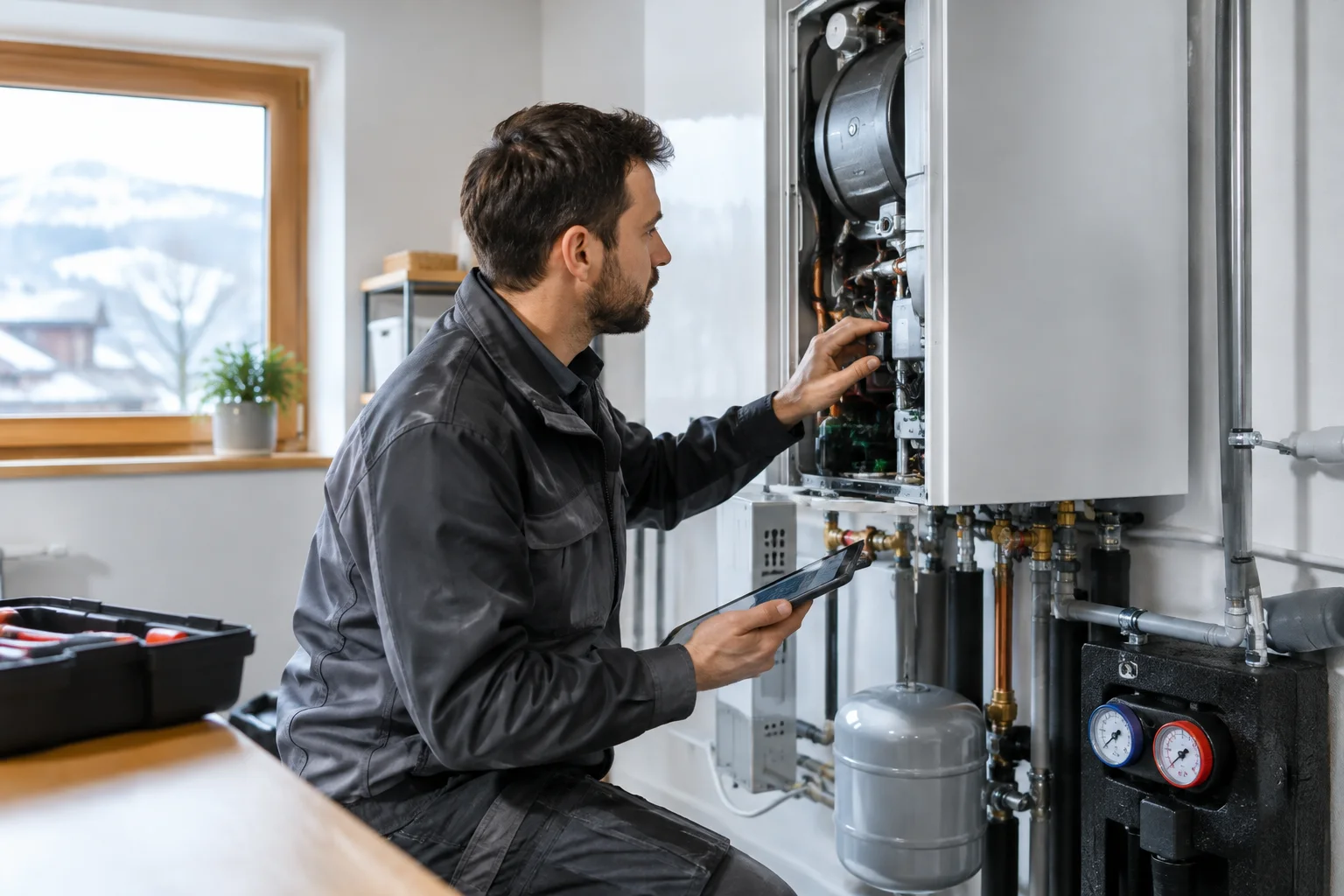
Regular servicing is particularly important for appliances with heating elements, water connections, ventilation requirements or complex electronic controls.
When to call a professional
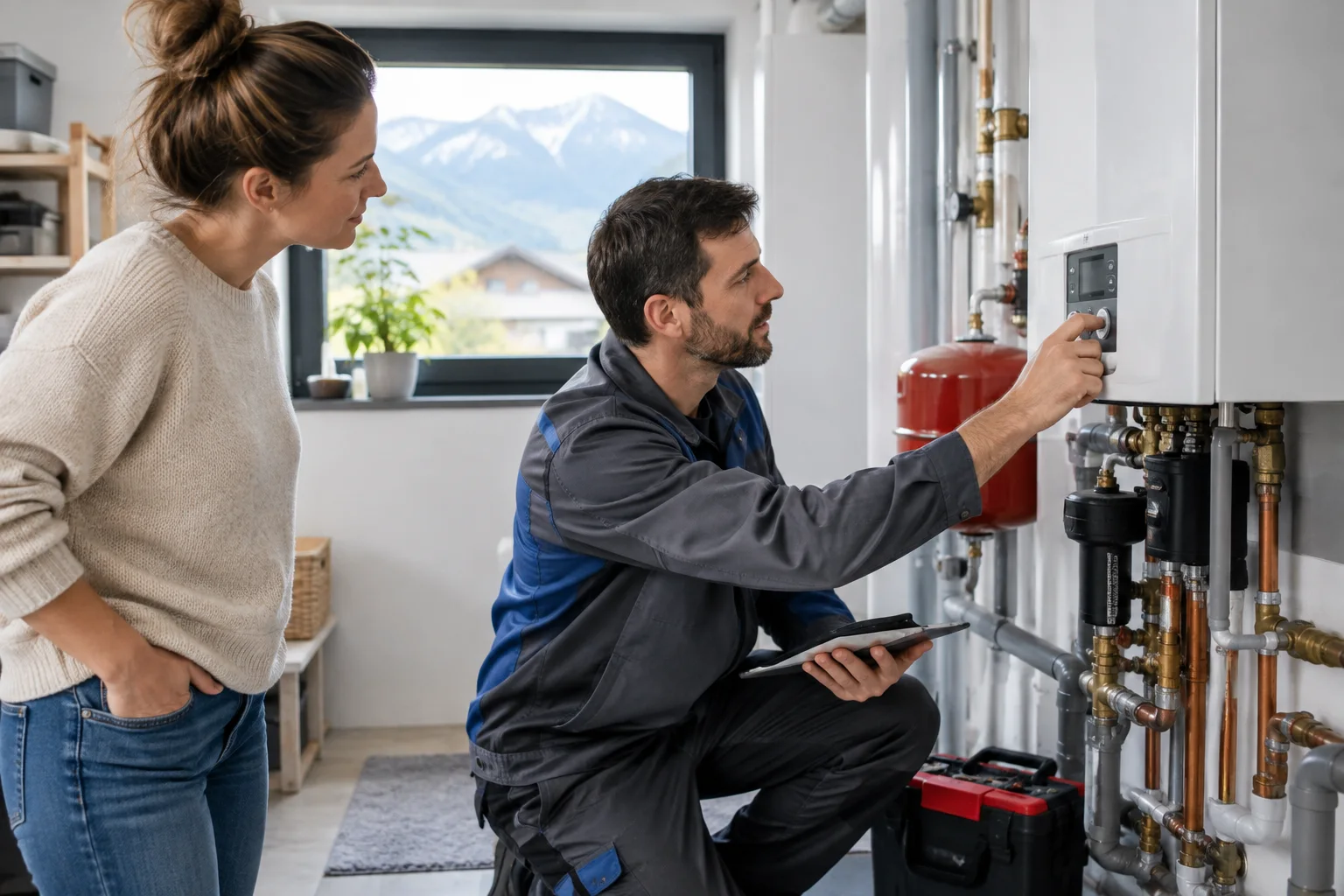
Contact a qualified appliance technician or electrician if an appliance trips the circuit repeatedly, gives off smoke or a burning smell, produces sparks, causes electric shocks, has damaged wiring, leaks near electrical parts or shows signs of overheating. Do not open the appliance or carry out internal electrical repairs yourself.
At LDT Services, professional advice and maintenance can help households use appliances more safely, efficiently and reliably. A timely inspection may also identify issues before they lead to costly damage or an unexpected replacement.