FR
Français
 DE
Deutsch
 IT
Italiano
 EN
English
Practical Ways to Save Energy and Protect Shared Laundry Installations
Simple, safe habits can reduce energy and water use in a shared laundry room while helping washing machines, dryers and ventilation systems work reliably for longer.
Shared laundry rooms are used frequently, often by several households with different routines. Small changes in how the room is used can reduce energy and water consumption, prevent avoidable damage and keep the equipment available for everyone.
Use washing machines efficiently
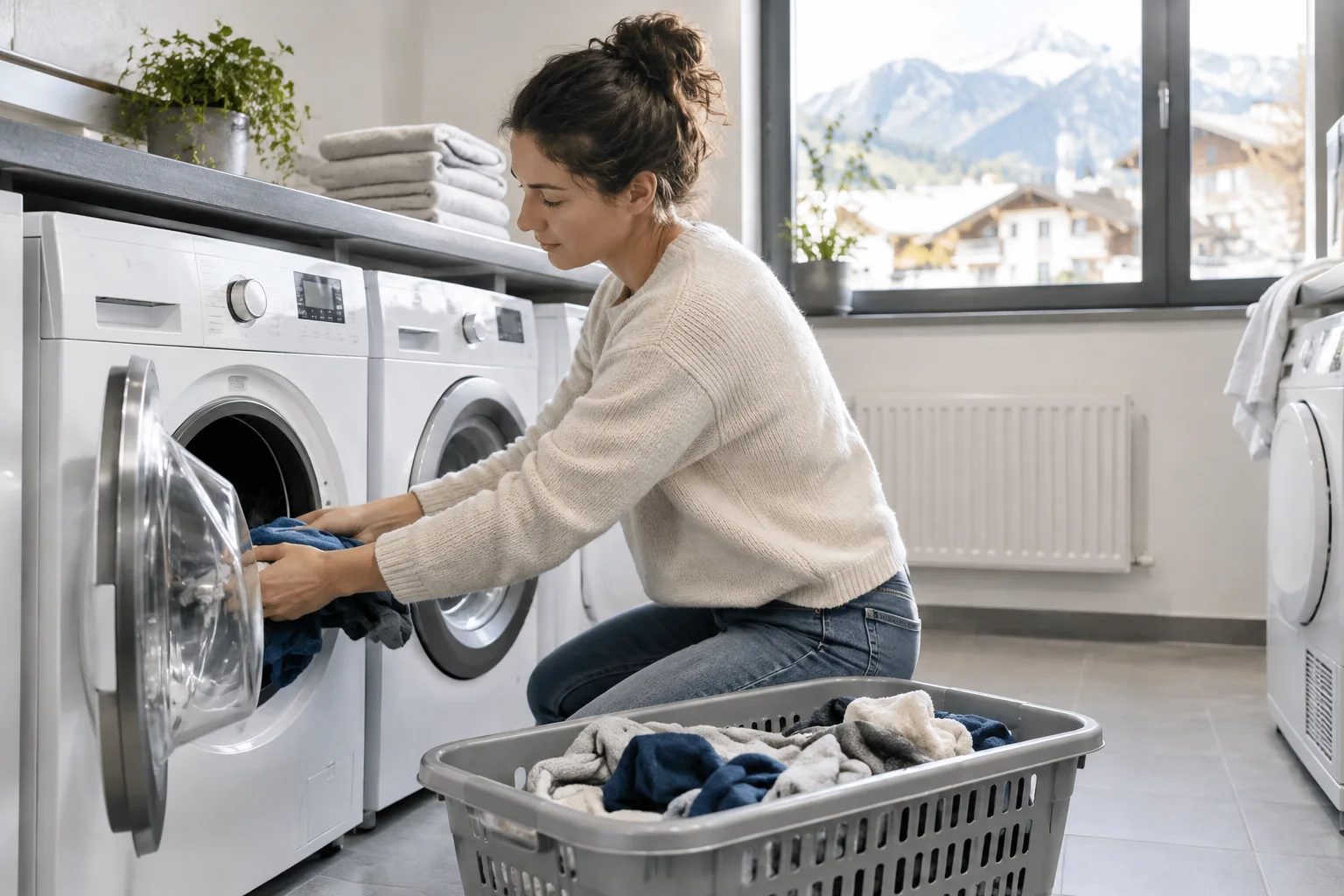
Run the washing machine only when there is a full load, while avoiding overloading the drum. An overloaded machine may clean poorly, use more energy and place unnecessary strain on the motor, bearings and suspension. Consult the appliance instructions for the recommended load and programme.
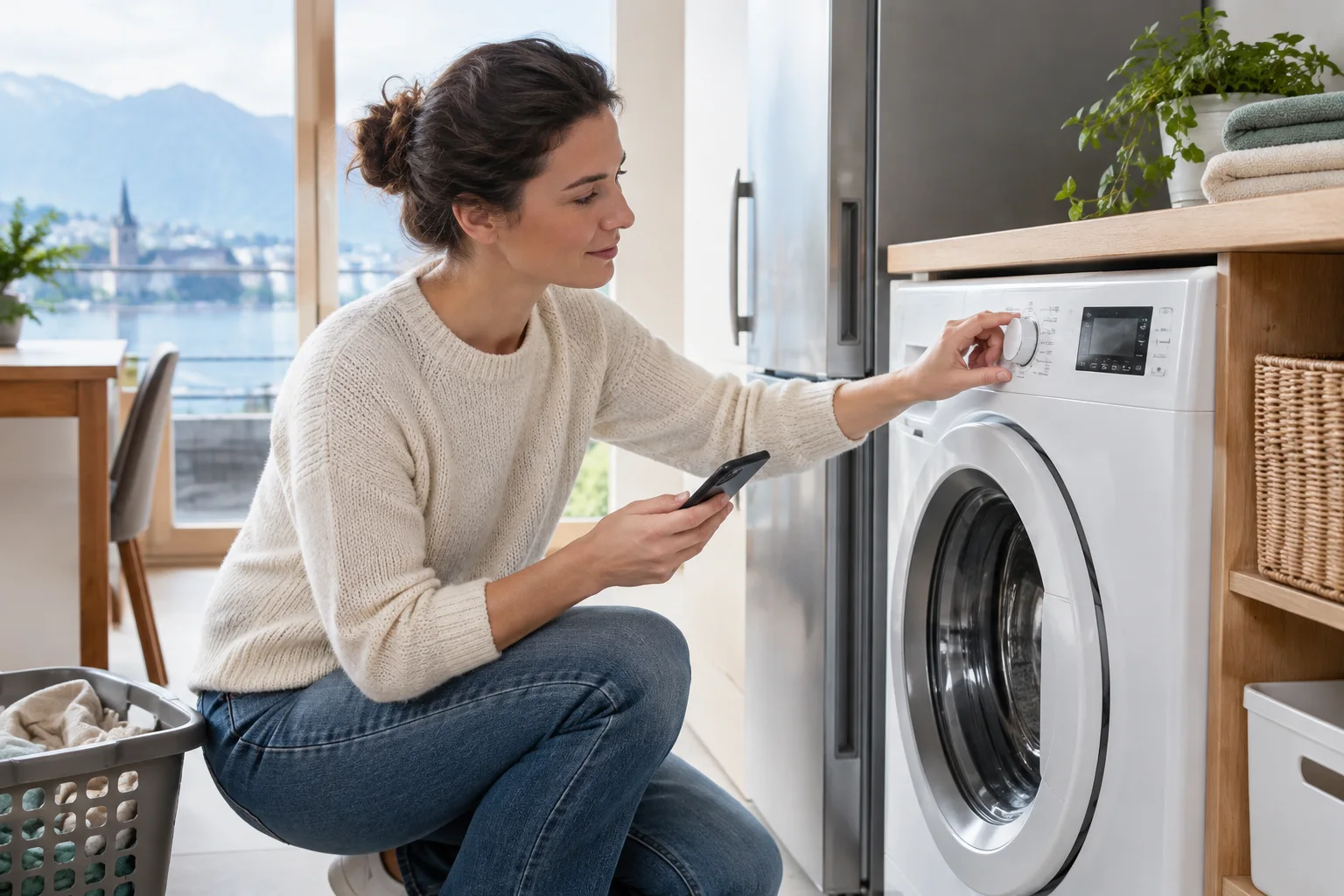
Choose lower-temperature programmes when they are suitable for the laundry. Modern detergents are often designed to work effectively at 20°C, 30°C or 40°C. Higher temperatures should be reserved for items that require them for hygiene or fabric-care reasons. Eco programmes may take longer, but they generally use less water and energy than shorter intensive cycles.
Measure detergent carefully. Too much detergent can create excessive foam, leave deposits in the machine and require additional rinsing. Too little detergent may result in poor cleaning. Follow the detergent manufacturer’s instructions and adjust the dose for water hardness and load size.
Reduce dryer energy use
Spin laundry thoroughly in the washing machine before transferring it to the dryer. Removing more water during the spin cycle usually reduces drying time and energy consumption. Select the highest spin speed that is appropriate for the fabric and permitted by the care label.
Clean the dryer’s lint filter after every cycle, or as specified by the manufacturer. A blocked filter restricts airflow, lengthens drying time and can create a safety risk. If the dryer uses a condenser or heat-pump system, keep the relevant filters, condenser and water container clean and maintained according to the instructions.
Do not overfill the dryer. Air must circulate freely around the textiles. Separate heavy items from lighter fabrics where possible, and remove laundry promptly when the programme ends to reduce creasing and the temptation to run an unnecessary additional cycle.
Whenever practical, air-dry suitable items on an approved drying rack. Do not block corridors, fire exits, radiators, ventilation grilles or access to electrical equipment.
Protect the machines and the building
Check pockets before washing. Coins, keys, screws and other hard objects can damage the drum, pump or drain system. Fasten zips, use laundry bags for small items and follow the care labels for delicate textiles.
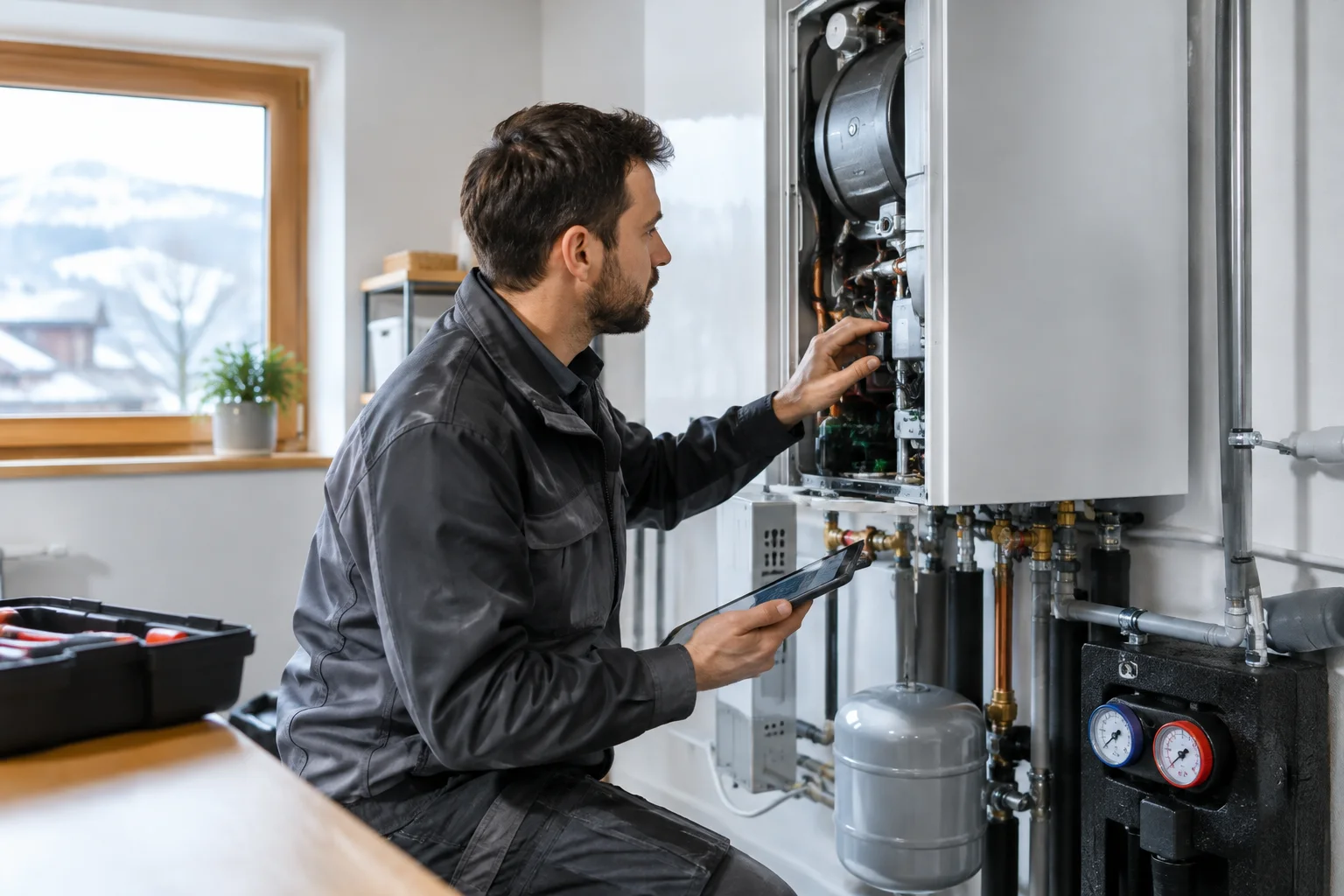
Keep the floor around the machines dry and clear. Report leaks, unusual vibrations, burning smells, repeated error messages or abnormal noises promptly to the building manager, laundry-room operator or a qualified service technician. Continuing to use a faulty appliance can turn a minor problem into water damage, electrical damage or a more expensive repair.
Never remove appliance covers, bypass safety switches or attempt electrical repairs in a shared laundry room. Unplugging an appliance does not make every internal component safe to access. Electrical faults, damaged cables, socket problems and fixed wiring should be assessed by a qualified professional.
Use only the sockets, appliances and accessories provided for the laundry room. Avoid extension leads, multiway adaptors and unauthorised portable heaters or drying devices, especially near water. These can overload circuits, create trip hazards or increase the risk of fire.
Keep ventilation and drainage working
Good ventilation helps control heat and humidity, particularly when dryers are operating. Keep ventilation grilles unobstructed and do not cover them with laundry, boxes or cleaning materials. Condensation, mould growth or persistent damp smells should be reported so that the ventilation system and building fabric can be checked.
Do not pour chemicals, oils or unsuitable substances into the washing-machine drain. Use the products and quantities recommended by the appliance and detergent manufacturers. If a drain is slow, blocked or backing up, stop using the affected machine and report the problem rather than repeatedly running rinse cycles.
Follow shared-room rules
Use the booking system if one is provided, remove laundry at the end of the cycle and leave the room clean for the next user. Do not overload machines, wash prohibited items or leave personal objects on top of appliances where they may fall into vents or moving parts.
Building managers should keep operating instructions, emergency contacts and maintenance information clearly visible. Regular professional servicing can identify worn hoses, blocked filters, drainage issues and ventilation problems before they cause disruption or damage.
A simple checklist
- Fill the machine sensibly without overloading it.
- Choose the lowest suitable washing temperature.
- Use the correct amount of detergent.
- Spin laundry thoroughly before drying.
- Clean the dryer filter after each cycle.
- Keep ventilation grilles, exits and floors clear.
- Report leaks, damaged cables, burning smells and unusual noises immediately.
- Do not carry out electrical or appliance repairs yourself.
Energy-efficient use is also good maintenance. By using the right programme, keeping airflow and drainage clear and reporting faults early, residents can help lower running costs and protect the shared laundry equipment. For persistent faults, water damage or electrical concerns, contact the responsible property manager or a qualified technician.