FR
Français
 DE
Deutsch
 IT
Italiano
 EN
English
Practical Ways to Save Energy and Protect Shared Laundry Facilities
Learn how households, tenants and property managers can reduce energy use, prevent damage and keep shared laundry rooms running reliably.
Shared laundry rooms can consume significant amounts of electricity and water, especially in apartment buildings with frequent use. Small changes in daily habits, combined with regular maintenance, can reduce operating costs, protect washing machines and dryers, and help prevent avoidable breakdowns.
These practical recommendations are suitable for tenants, building managers and property owners in Switzerland. Always follow the appliance manufacturer’s instructions and contact a qualified professional for electrical, plumbing or heating-related work.
Use washing machines efficiently
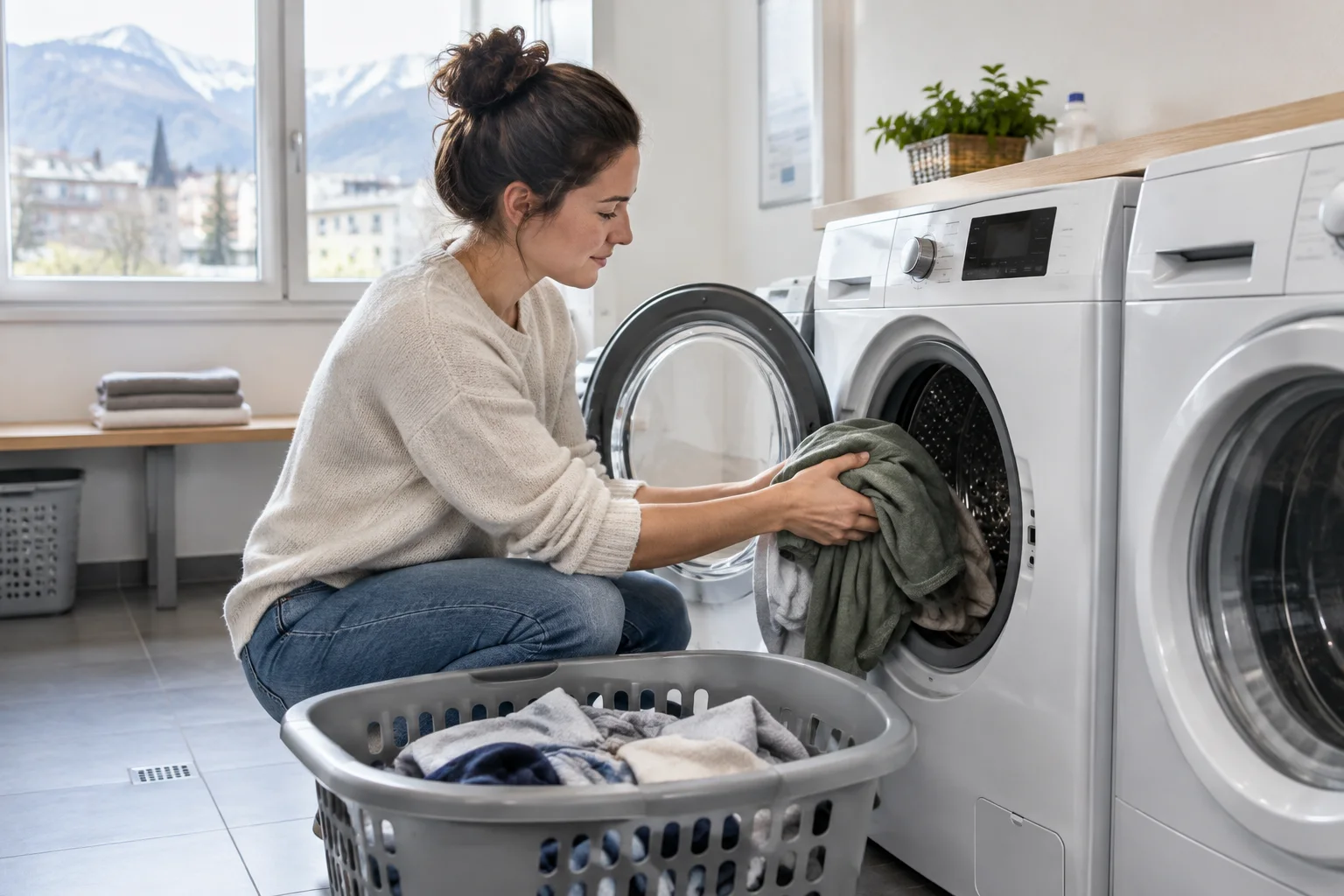
- Wash full loads where appropriate. Running a machine with a properly sized load generally uses less energy and water per item than several small cycles. Avoid overloading, as this can strain the motor and reduce cleaning performance.
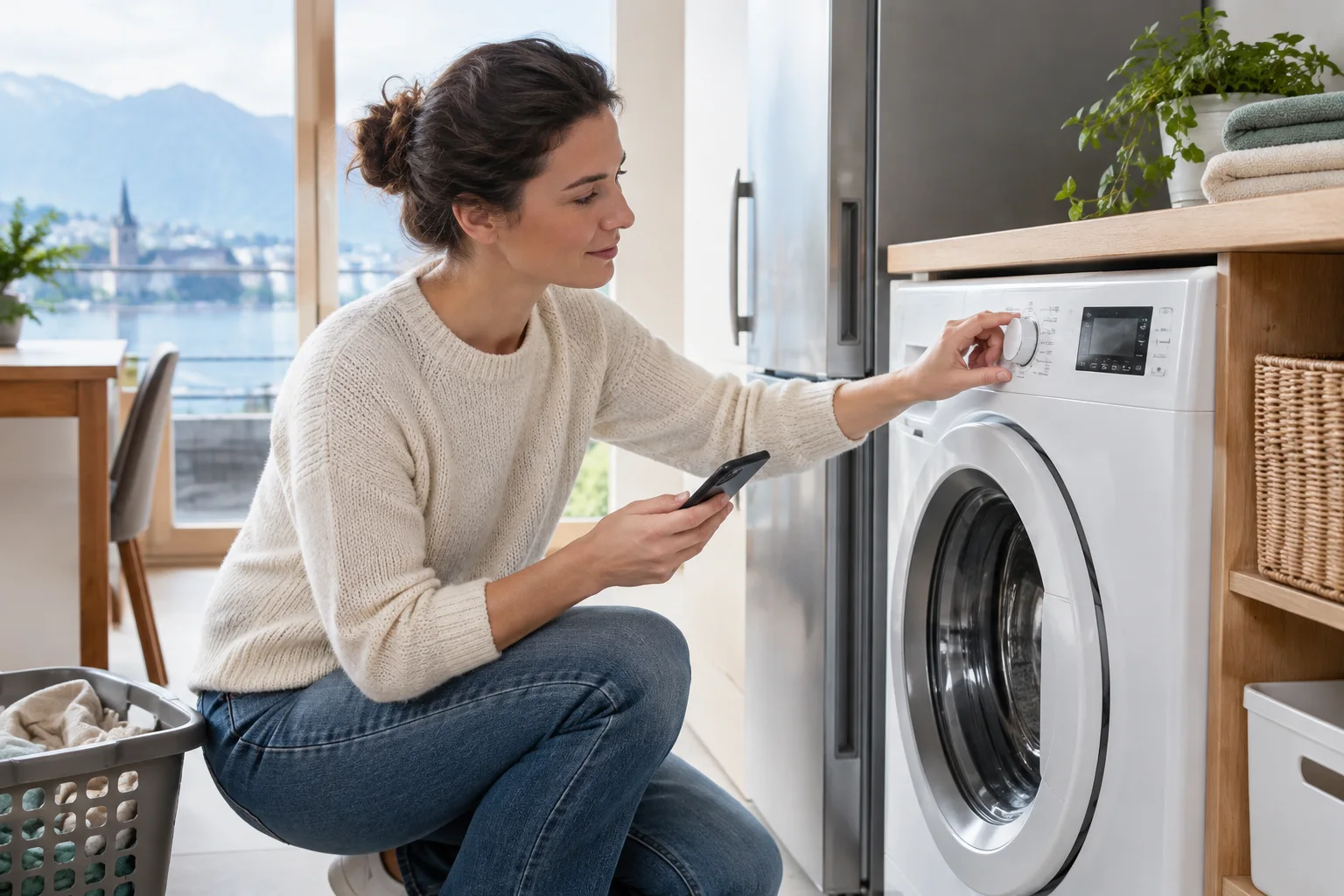
- Select lower-temperature programmes. Modern detergents often work effectively at 30 or 40 °C. Use higher temperatures only when required for hygiene, heavily soiled laundry or the care label.
- Use the correct programme. Eco programmes may take longer but are designed to use less water and energy. Avoid intensive cycles unless they are genuinely necessary.
- Measure detergent carefully. Excess detergent does not clean better and can create residue, odours and additional rinsing needs. Adjust the quantity to the water hardness, load size and product instructions.
- Check pockets and fastenings. Coins, keys and small objects can damage the pump or drum. Close zips and follow care labels to protect both laundry and equipment.
Reduce dryer energy use
- Spin laundry thoroughly first. A higher spin speed, when suitable for the fabric, removes more water before drying and can shorten dryer operation.
- Clean the lint filter after every cycle. A blocked filter restricts airflow, increases energy consumption and may create an overheating risk.
- Do not overload the dryer. Clothes need room to tumble and air to circulate. Overloading leads to longer cycles and uneven drying.
- Use moisture-controlled programmes when available. These can stop the dryer when laundry is dry, avoiding unnecessary operation.
- Air-dry when practical. Drying some items on a rack can reduce electricity use, provided the room is adequately ventilated and moisture is not allowed to build up.
Protect the machines and the laundry room
- Keep ventilation openings clear. Do not cover air inlets, radiator surfaces or dryer ventilation routes. Good airflow helps appliances operate safely and efficiently.
- Check hoses and connections visually. Look for kinks, cracks, loose fittings or signs of water around the washing machine. Do not dismantle connections yourself; report problems promptly to the property manager or a qualified technician.
- Prevent frost damage. In unheated areas, exposed water pipes and appliances may be vulnerable during cold weather. Building managers should ensure suitable insulation and frost protection.
- Keep the floor and surrounding area dry. Wipe up spills promptly and report leaks. Water near electrical equipment can create a serious safety hazard.
- Keep electrical equipment away from water. Never use extension leads, multi-plug adapters or improvised connections in a damp laundry room. If a socket, cable or appliance shows damage, stop using it and arrange a professional inspection.
- Respect load limits. Do not connect several high-power appliances to one circuit unless the installation has been designed and checked for that load.
Good shared-laundry habits
Clear rules help everyone save energy and reduce conflicts. Use only the programme and temperature needed, remove laundry promptly when the cycle ends, and leave the room clean for the next user. Do not interrupt another person’s cycle unless there is an emergency or a clearly defined building rule.
Property managers can support efficient use by providing simple operating instructions, recording appliance faults, scheduling regular cleaning and checking that machines are correctly connected and ventilated. Energy-efficient appliances should be selected based on total operating costs, durability, repairability and expected usage—not only the purchase price.
When to call a professional
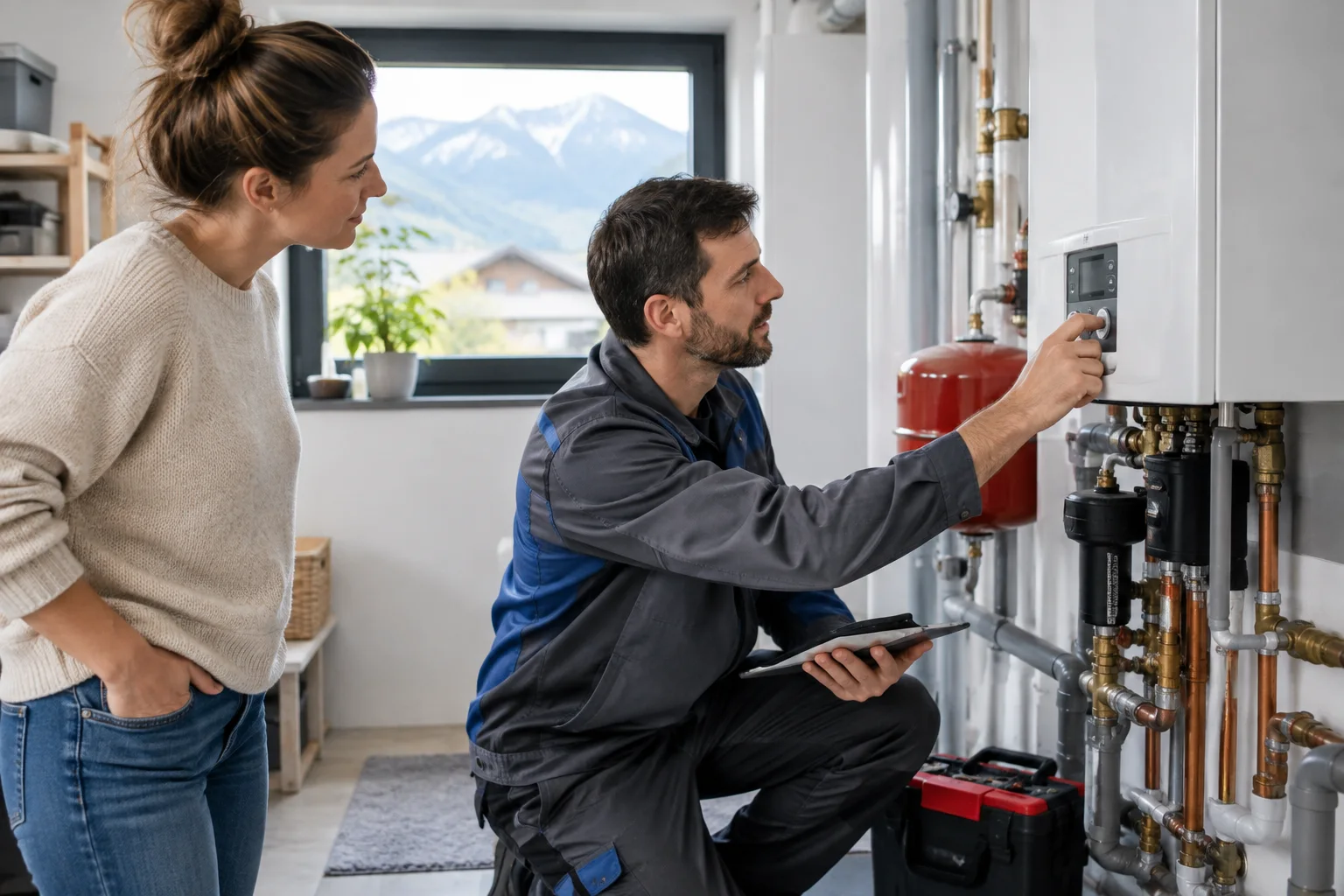
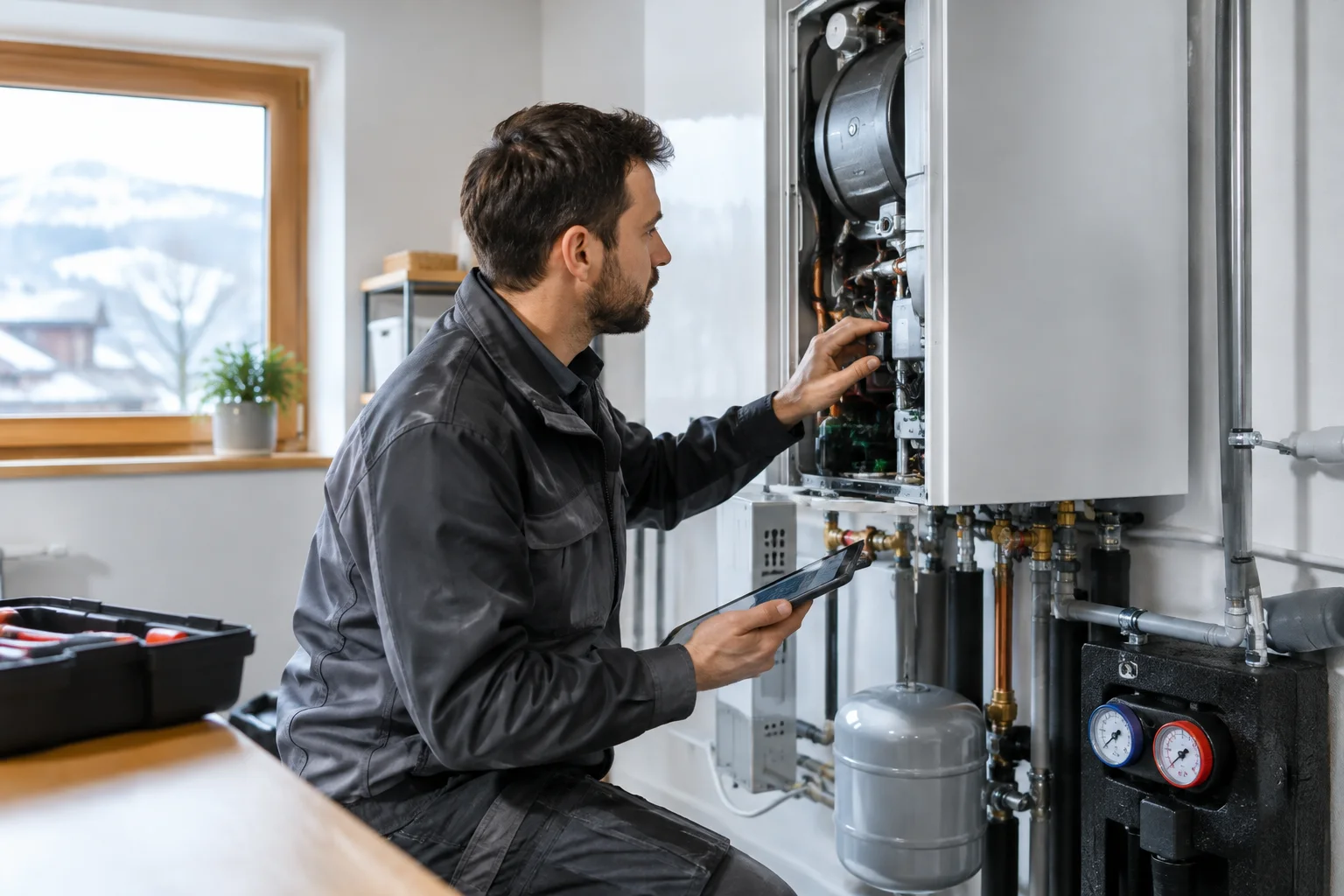
Contact a qualified appliance technician, plumber or electrician if a machine repeatedly trips the circuit breaker, gives off a burning smell, makes unusual noises, leaks, fails to drain, or shows signs of damaged wiring. Do not remove appliance covers, bypass safety devices or attempt electrical repairs in a shared laundry room.
If water is leaking near electrical equipment, keep away from the area, avoid touching plugs or switches, and follow the building’s emergency procedure. In an immediate danger situation, leave the area and contact the appropriate emergency service.
A simple maintenance checklist
- Clean washing-machine detergent drawers and door seals regularly.
- Inspect and clean dryer lint filters after each use.
- Check ventilation and airflow paths.
- Look for leaks, unusual sounds, overheating or repeated error messages.
- Keep appliance instructions and emergency contact details visible.
- Arrange professional servicing when recommended by the manufacturer or when faults recur.
Efficient shared laundry management is a combination of sensible user habits, good ventilation, prompt fault reporting and professional maintenance. These measures help lower energy and water consumption while protecting appliances, the building and the people who use them.