FR
Français
 DE
Deutsch
 IT
Italiano
 EN
English
Practical Tips to Save Energy and Protect Your Home’s Installations
Reduce energy waste, prevent avoidable damage and know when to call a professional repair service with these practical home-maintenance tips for Swiss households.
Energy efficiency is not only about lowering utility bills. Good maintenance also helps protect heating systems, plumbing, electrical installations and appliances from premature wear, leaks and unexpected breakdowns. A few simple checks can prevent minor issues from becoming costly repairs.
These recommendations are suitable for everyday home care. For electrical, gas, heating or major plumbing work, always use a qualified professional.
1. Check for signs of energy loss
Cold draughts around windows and doors, rooms that are difficult to heat and unusually high energy consumption may indicate poor insulation or defective seals. Check visible window and door seals for cracks, gaps or hardening. Replaceable seals can often be renewed, but damaged frames, glazing or ventilation systems should be assessed by a professional.
Do not block permanent ventilation openings. Adequate ventilation helps control humidity and protects the building from mould and condensation.
2. Maintain heating systems regularly
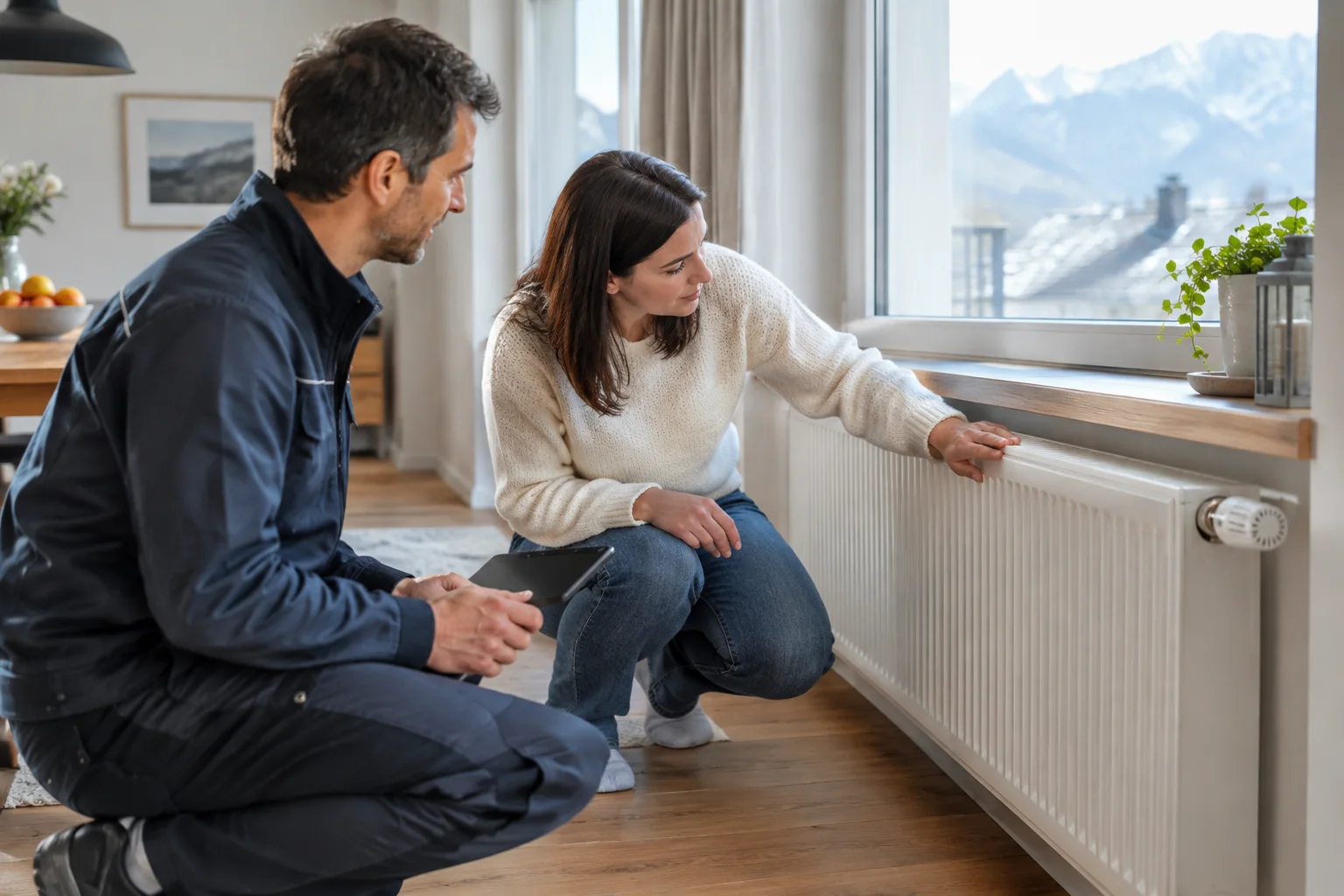
Radiators and heating units work less efficiently when covered by furniture, curtains or dust. Keep the area around them clear and gently remove surface dust. If a radiator remains cold, makes unusual noises or heats unevenly, the system may require professional inspection or bleeding according to the manufacturer’s instructions.
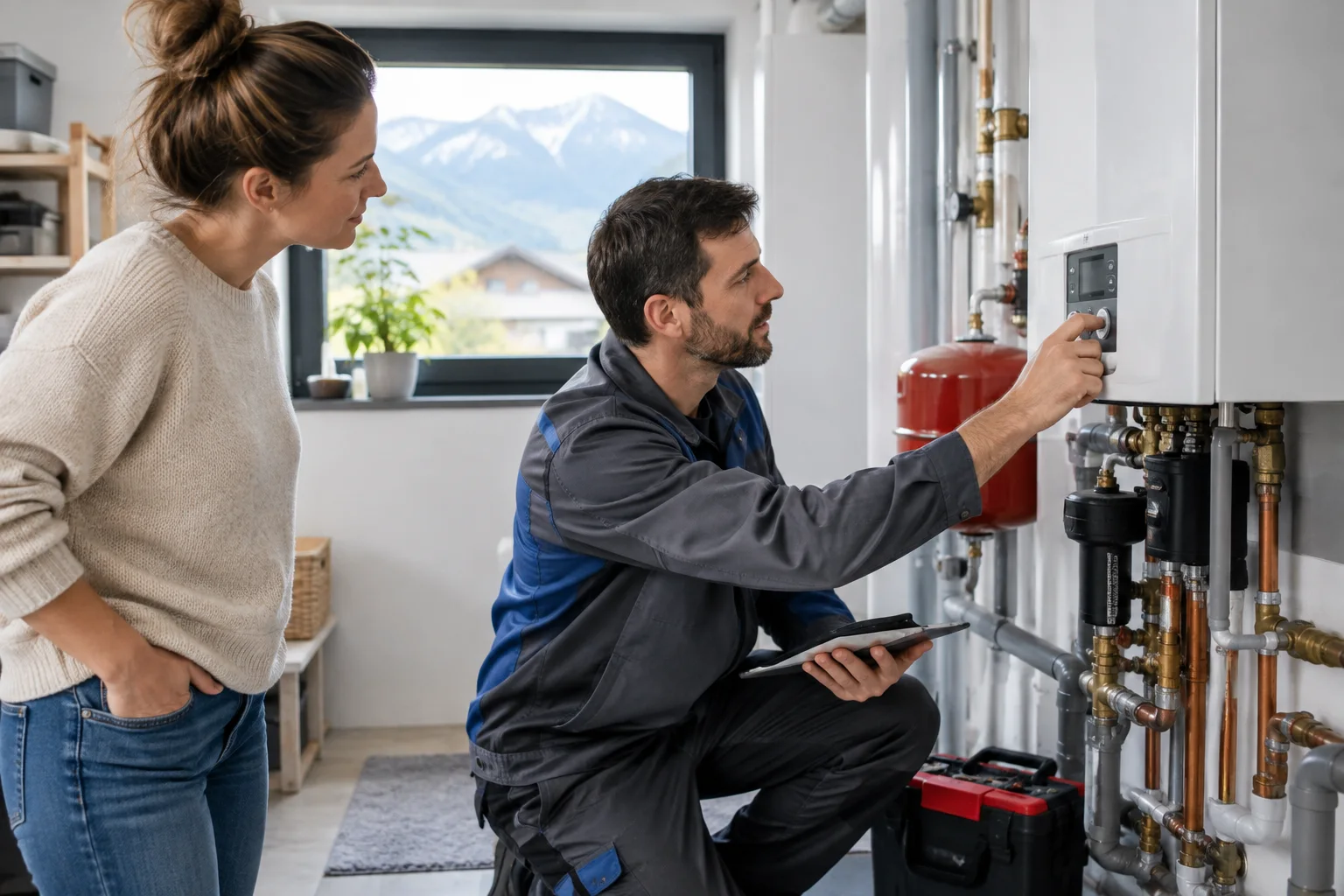
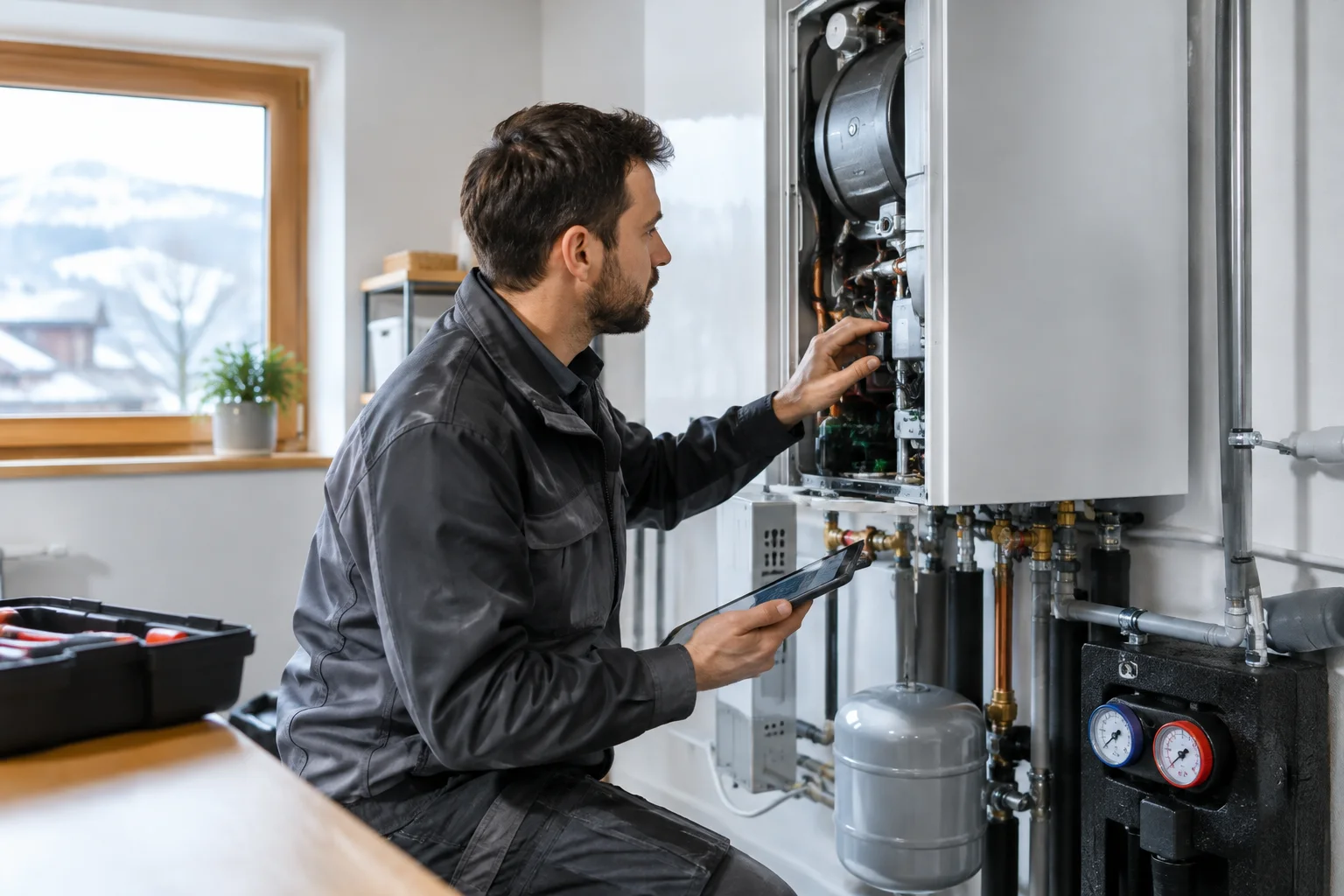
Arrange regular servicing for boilers, heat pumps and other heating equipment. A technician can check operating pressure, controls, safety components and overall efficiency. Never open a boiler, alter gas connections or work on combustion equipment yourself.
3. Protect plumbing from leaks and water damage
Inspect visible pipes, taps, flexible hoses and connections under sinks for moisture, corrosion or limescale. A small recurring drip can waste water and may signal a failing seal or connection. Repair leaks promptly rather than relying on temporary products for a long-term solution.
Know where the main water shut-off valve is located and make sure it can be operated. If a pipe bursts, shut off the water if it is safe to do so, move valuables away from the affected area and contact an emergency repair professional. Do not attempt to repair pressurised or concealed pipework without the right expertise.
4. Use electrical installations safely
Unusual smells, buzzing sounds, warm sockets, flickering lights, tripped breakers or discoloured switches should never be ignored. Stop using the affected appliance or circuit if it is safe, and arrange an inspection by a qualified electrician.
Avoid overloading power strips and do not use damaged plugs, cables or extension leads. Keep electrical equipment away from water. Never remove socket covers, modify wiring or repeatedly reset a circuit breaker to restore power. Repeated trips may indicate a fault that requires professional diagnosis.
5. Reduce standby consumption safely
Turn off appliances when they are not needed and use manufacturer-approved power-management settings. For accessible, undamaged equipment, a suitable switched power strip can help group devices such as entertainment equipment. Do not disconnect essential systems, refrigerators, medical equipment or safety devices unless the manufacturer confirms it is safe.
When replacing lighting, choose efficient bulbs with the correct rating and fitting. If a light fitting flickers, overheats or shows damage, stop using it and request an electrical repair rather than replacing internal components yourself.
6. Keep appliances efficient and in good condition
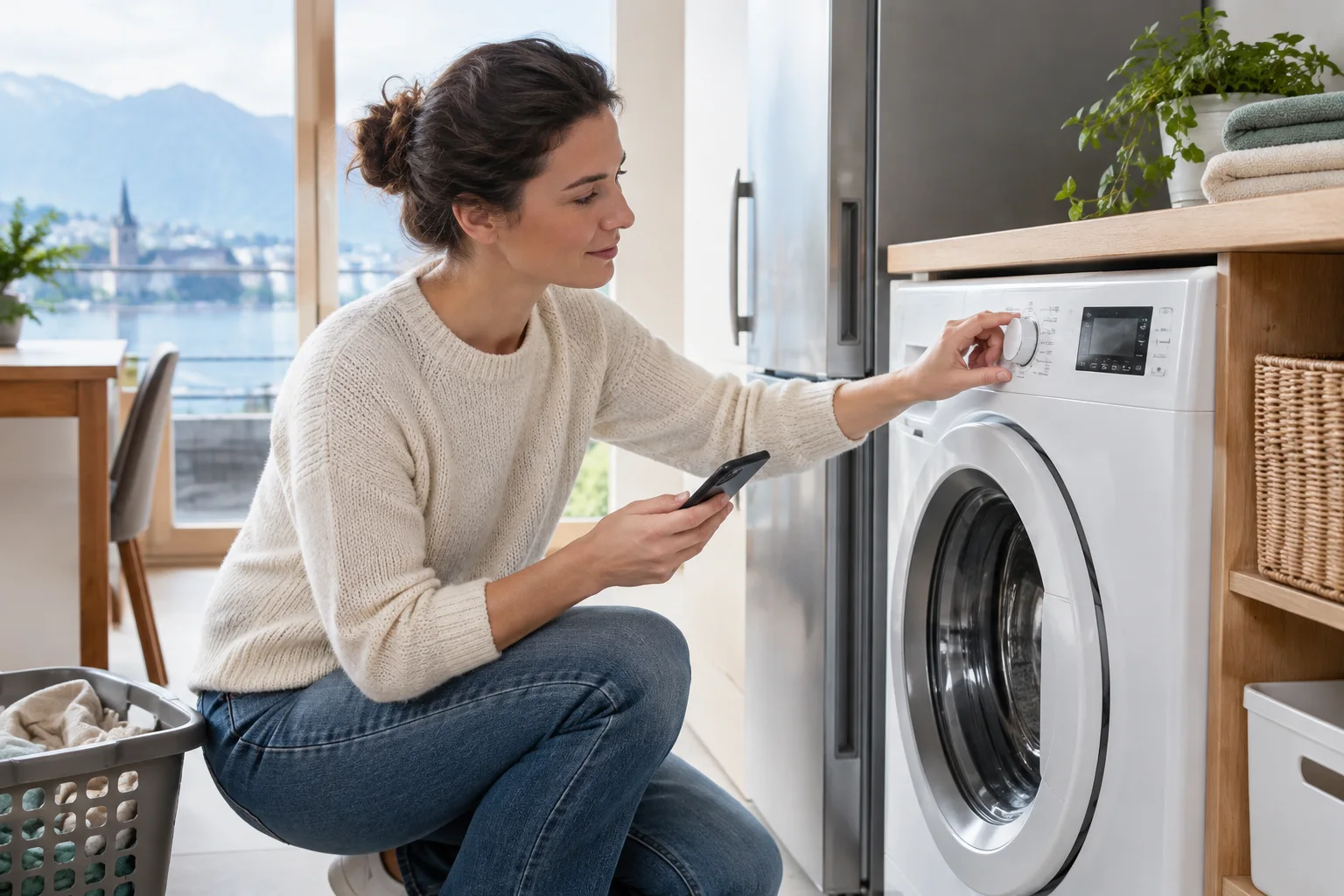
Clean filters and ventilation grilles according to the appliance instructions. Blocked filters can increase energy use and cause overheating, particularly in tumble dryers, extractor hoods, heat-recovery systems and air-conditioning units.
Descale appliances where recommended and check that doors and seals close correctly. If an appliance repeatedly trips the electrical protection, leaks, overheats or produces a burning smell, unplug it only if this can be done safely and contact a qualified repair service.
7. Prevent damage during holidays and cold weather
Before leaving home, check for dripping taps, active leaks and appliances that can safely be switched off. In cold periods, keep the property adequately heated to reduce the risk of frozen pipes. Ask a trusted person to check the home during extended absences, especially after severe weather.
Do not shut down heating or ventilation systems without considering the manufacturer’s instructions, the building’s requirements and the risk of condensation or freezing.
8. Book repairs early
Early attention is usually safer and less expensive than emergency intervention. Contact a repair professional if you notice rising energy use, persistent condensation, unusual noises, recurring leaks, repeated electrical trips or heating performance that has changed.
When requesting service, provide photographs where appropriate, the appliance or system model, a description of the symptoms and details of when the problem occurs. If there is immediate danger—such as smoke, a strong gas smell, active flooding or exposed live electrical parts—leave the area, contact the relevant emergency service and do not attempt repairs.
A practical maintenance routine
- Monthly: check visible leaks, unusual sounds, damaged cables and ventilation openings.
- Seasonally: inspect seals, clean accessible filters and check heating or cooling performance.
- Annually: arrange professional servicing where required and review older appliances or installations for safety and efficiency.
Simple maintenance can help reduce energy waste, but it should never replace professional diagnosis of a fault. LDT Services can help assess repair needs and identify practical solutions for home installations in Switzerland.