FR
Français
 DE
Deutsch
 IT
Italiano
 EN
English
Practical Tips to Save Energy and Protect Your Home Installations with SmartHome
Discover how SmartHome solutions can reduce energy waste, protect electrical installations and improve comfort at home—without compromising safety.
SmartHome technology can do more than automate lights and heating. When correctly planned and installed, it can help reduce energy consumption, identify unusual activity and protect important home installations. For households in Switzerland, where energy efficiency, comfort and reliable infrastructure are key priorities, a connected home can provide practical everyday benefits.
The most effective approach is not to automate everything at once. Start by identifying where energy is being used unnecessarily and which installations need better monitoring or protection.
1. Measure energy use before making changes
Energy monitoring is the foundation of an efficient SmartHome. Smart meters, connected energy monitors and selected smart plugs can show how much electricity individual appliances consume and when demand is highest.
Use this information to identify:
- Appliances that remain in standby for long periods
- High-consumption devices such as heating equipment, dryers or water heaters
- Unusual consumption outside normal household routines
- Peak usage periods that could be shifted to another time
Measurements are more useful than assumptions. A monitoring system can help you prioritise improvements and verify whether an energy-saving measure is actually working.
2. Automate heating without sacrificing comfort
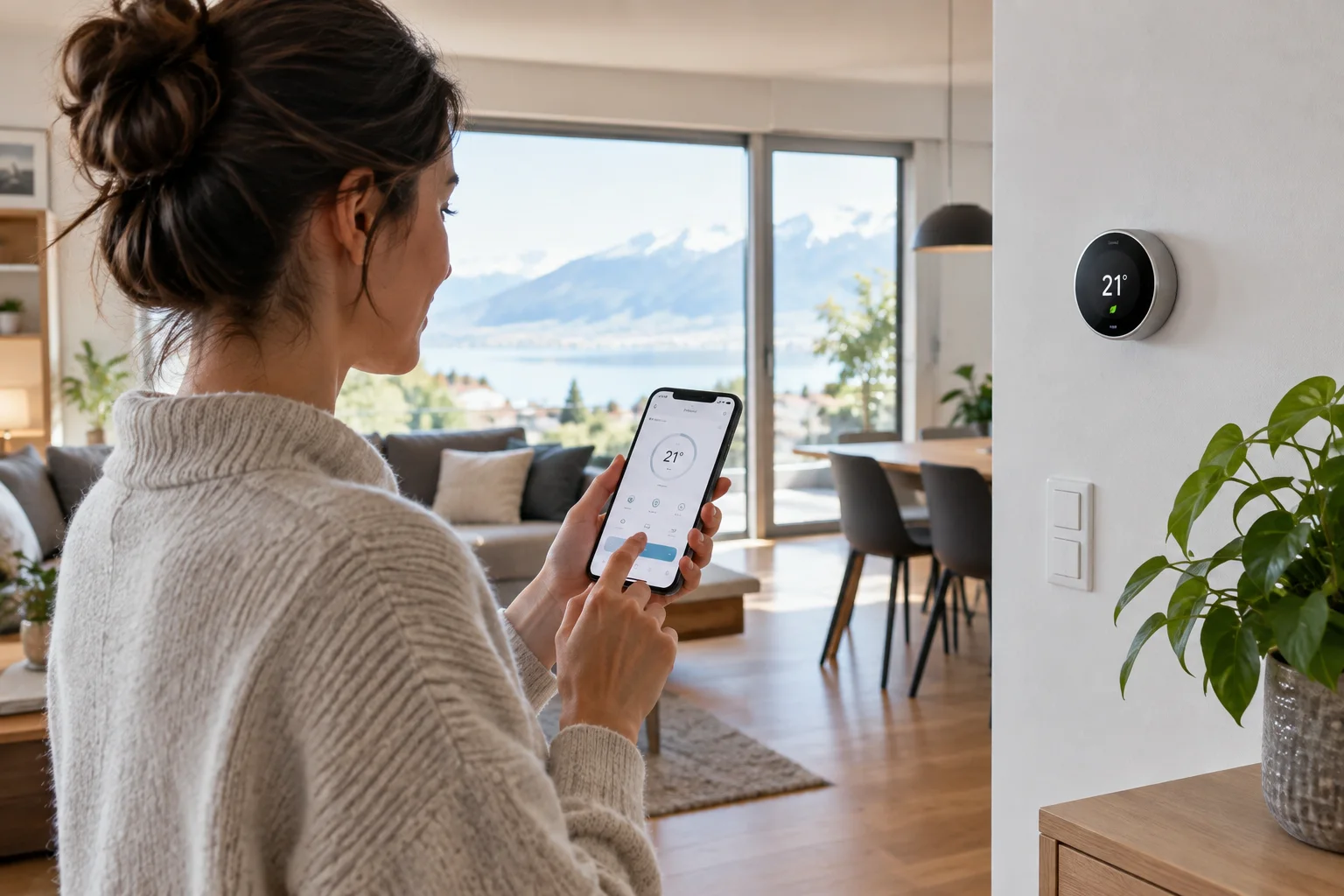
Heating is often one of the largest sources of household energy consumption. Smart thermostats and room sensors can adjust heating according to occupancy, schedules and temperature.
Practical settings include lowering the temperature when the home is empty, reducing heating at night and preventing unnecessary heating in unused rooms. Window sensors can also detect when a window is open and temporarily reduce heating in that room.
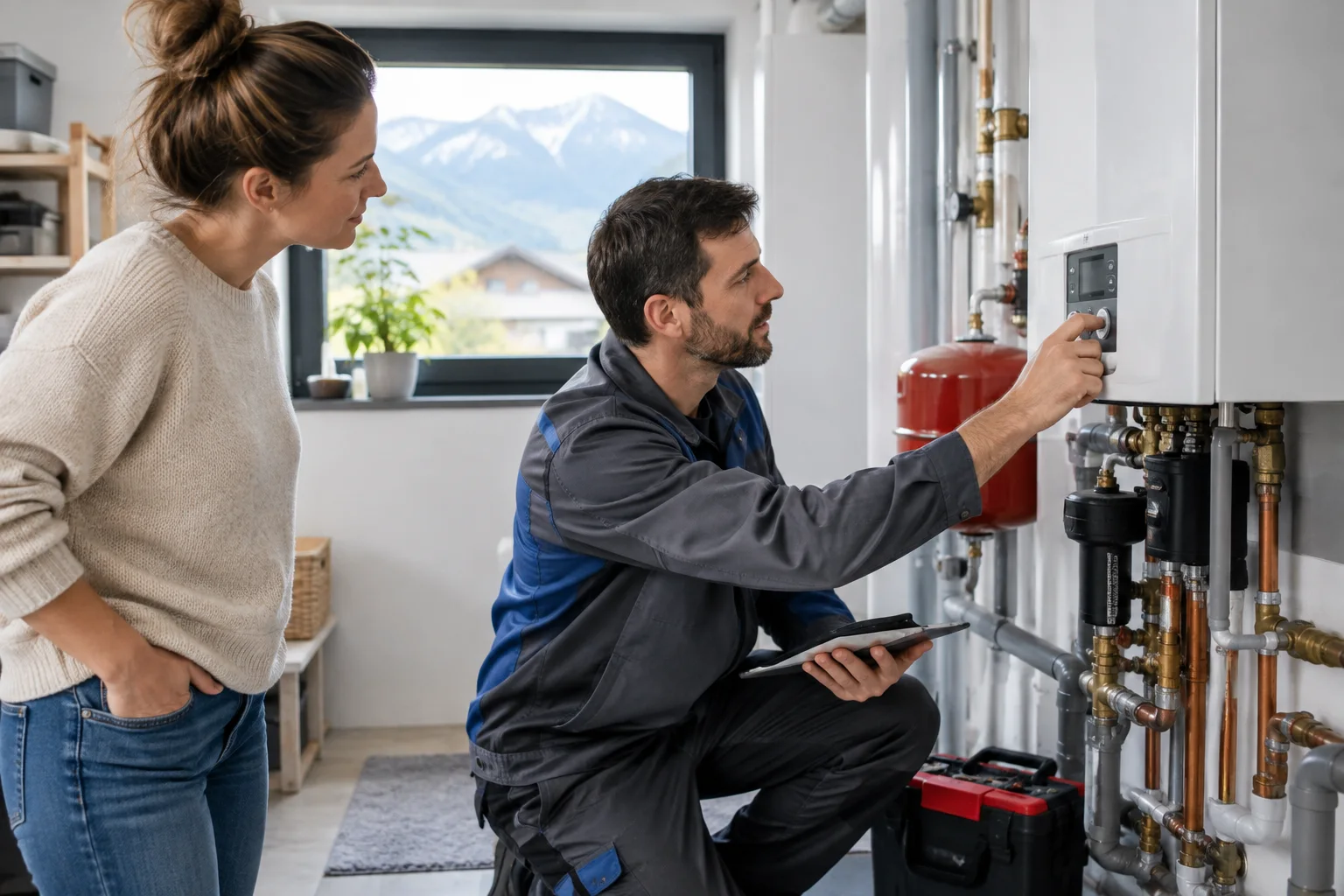
Automation should be configured carefully. Temperature sensors must be positioned away from direct sunlight, radiators and draughts. For heating systems connected to fixed electrical wiring or building services, use a qualified professional to check compatibility and complete the installation.
3. Reduce standby consumption safely
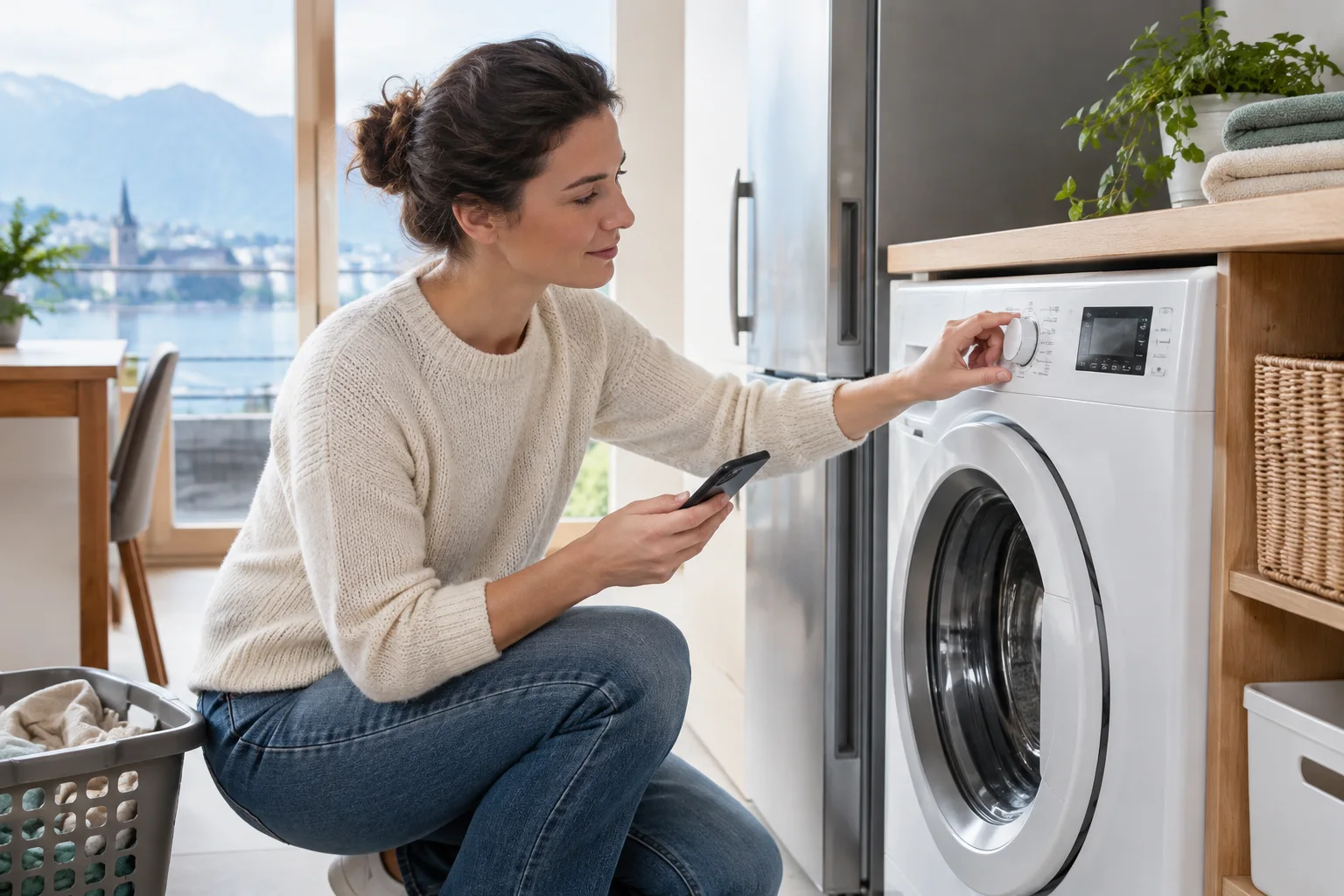
Televisions, entertainment systems, office equipment and chargers can continue to consume electricity when they are not actively being used. Smart plugs or programmable power strips can disconnect selected devices during periods of inactivity.
Only use smart plugs that are rated for the connected load and are suitable for the appliance. High-power equipment, heating appliances and permanently operating devices should not be connected to an unsuitable plug or overloaded extension solution. Never use a SmartHome product as a substitute for a required protective device.
4. Use presence and daylight intelligently
Smart lighting can lower consumption by switching lights off automatically in empty rooms and adjusting brightness according to daylight. Motion sensors are particularly useful in corridors, entrances, storage areas and bathrooms.
For living areas, presence-based automation is often more comfortable than short timer settings. Combine sensors with manual controls so residents can override the automation when needed. Efficient LED lighting, suitable dimmers and compatible control modules also help avoid flickering, premature failure or unnecessary energy use.
5. Protect installations with alerts and monitoring
A SmartHome system can support preventive maintenance by notifying you about unusual conditions. Depending on the installation, useful alerts may include:
- Unexpected power consumption
- Loss of connection to an important device
- Abnormally high temperature in a technical area
- Water leaks near appliances or utility rooms
- Smoke or carbon monoxide detection from approved devices
- Power interruptions affecting essential equipment
Alerts should be clear and actionable. Too many notifications can lead to alert fatigue, so configure thresholds that reflect normal household behaviour and review them periodically.
6. Add water-leak protection where it matters most
Water damage can affect electrical systems, flooring, furniture and building structures. Leak sensors placed near washing machines, dishwashers, water heaters and technical installations can provide an early warning.
Some systems can automatically close a compatible water valve when a leak is detected. This type of installation should be assessed carefully, especially in apartment buildings or properties with shared plumbing. The water shut-off function must remain accessible and should be tested according to the manufacturer’s instructions.
7. Manage solar production, batteries and electric vehicles
For homes with photovoltaic panels, a SmartHome energy-management system can help align electricity use with solar production. For example, selected loads may operate during periods of higher solar generation, reducing the need to draw electricity from the grid.
Electric vehicle charging can also be scheduled to avoid unnecessary peak demand, subject to the charging equipment, tariff and electrical installation. Charging points and battery systems involve significant power levels and must be installed, protected and commissioned by appropriately qualified professionals. Do not modify wiring, protective devices or charging equipment yourself.
8. Choose reliable and compatible products
SmartHome components should work together reliably and remain supported over time. Before purchasing, check the communication standard, operating requirements, data security, local availability of spare parts and compatibility with your existing installation.
Prefer products from established manufacturers with clear documentation and regular security updates. A system that depends entirely on an unstable internet connection may be unsuitable for essential functions. Where possible, ensure that basic lighting, heating and access functions remain available if the internet or cloud service is temporarily unavailable.
9. Secure the digital side of your SmartHome
Connected devices can affect both comfort and security. Change default passwords, enable multi-factor authentication where available and keep hubs, routers and devices updated. Use a strong, unique password for the main SmartHome account and review user access regularly.
Consider separating SmartHome devices from computers and sensitive personal data on the home network. Only enable remote access when it is needed, and check the privacy settings of cameras, microphones and cloud services.
10. Plan professional installation for fixed electrical work
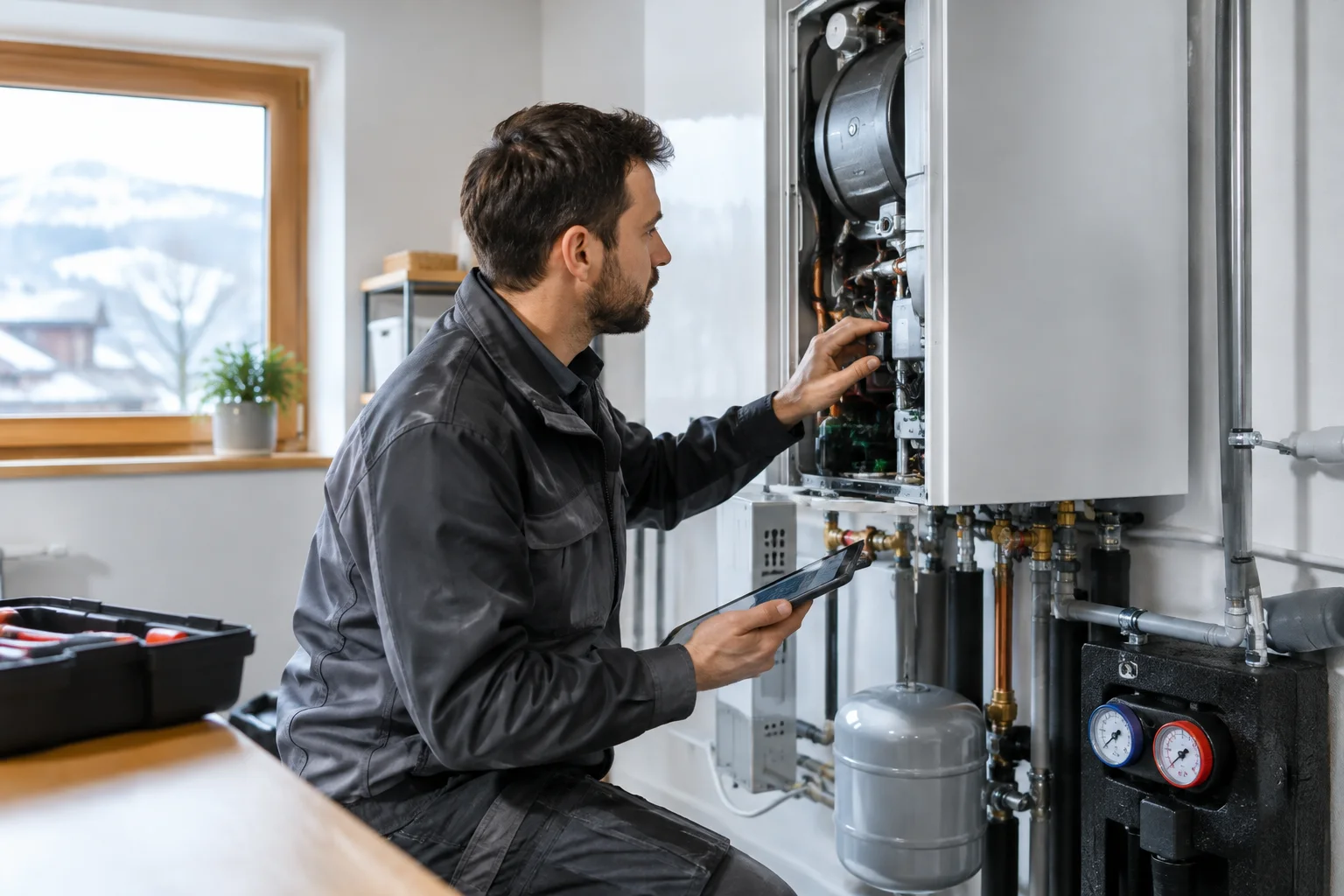
Smart switches, dimmers, thermostats, sensors connected to fixed wiring and energy-management equipment may involve mains voltage or changes to protective systems. Incorrect installation can cause electric shock, fire, equipment damage or loss of protection.
Do not open electrical panels, bypass protective devices or alter fixed wiring yourself. In Switzerland, work on electrical installations may be subject to applicable regulations and qualification requirements. A professional can assess the existing installation, verify compatibility, select appropriate protection and document the work properly.
A practical starting plan
- List the appliances and rooms with the highest energy use.
- Install monitoring before changing routines or equipment.
- Automate heating and lighting in one or two priority areas.
- Add leak, smoke or technical alerts where the consequences of failure are greatest.
- Review passwords, updates and remote-access settings.
- Have fixed electrical work and high-power equipment checked by a qualified specialist.
SmartHome support from LDT Services
A well-designed SmartHome should make your home more efficient, safer and easier to manage—not more complicated. LDT Services can help assess your needs, identify suitable SmartHome solutions and coordinate safe installation and configuration for your property in Switzerland.
Professional advice is especially valuable when SmartHome controls are connected to heating, lighting circuits, photovoltaic systems, batteries, electric vehicle chargers or other fixed installations. Contact LDT Services to discuss a practical solution tailored to your home and existing infrastructure.