FR
Français
 DE
Deutsch
 IT
Italiano
 EN
English
Practical Tips to Save Energy and Protect Your Home Installations
Reduce energy waste, prevent avoidable damage and keep your home systems operating safely with these practical maintenance and assistance tips from LDT Services in Switzerland.
Saving energy is not only about lowering monthly bills. Good habits and timely assistance can also reduce wear on household installations, prevent avoidable faults and improve comfort throughout the year. Here are practical steps for homeowners and tenants in Switzerland.
Start with a simple energy check
Walk through your home and note where energy may be wasted. Look for rooms that are overheated, appliances that remain on unnecessarily, windows with drafts and equipment that operates continuously without a clear reason. A short checklist can help you identify priorities before arranging professional assistance.
- Check whether heating settings match the use of each room.
- Turn off lights and equipment when they are not needed.
- Use timers or smart controls where appropriate.
- Check that ventilation openings are not blocked.
- Review unusually high electricity or heating consumption.
Use heating efficiently
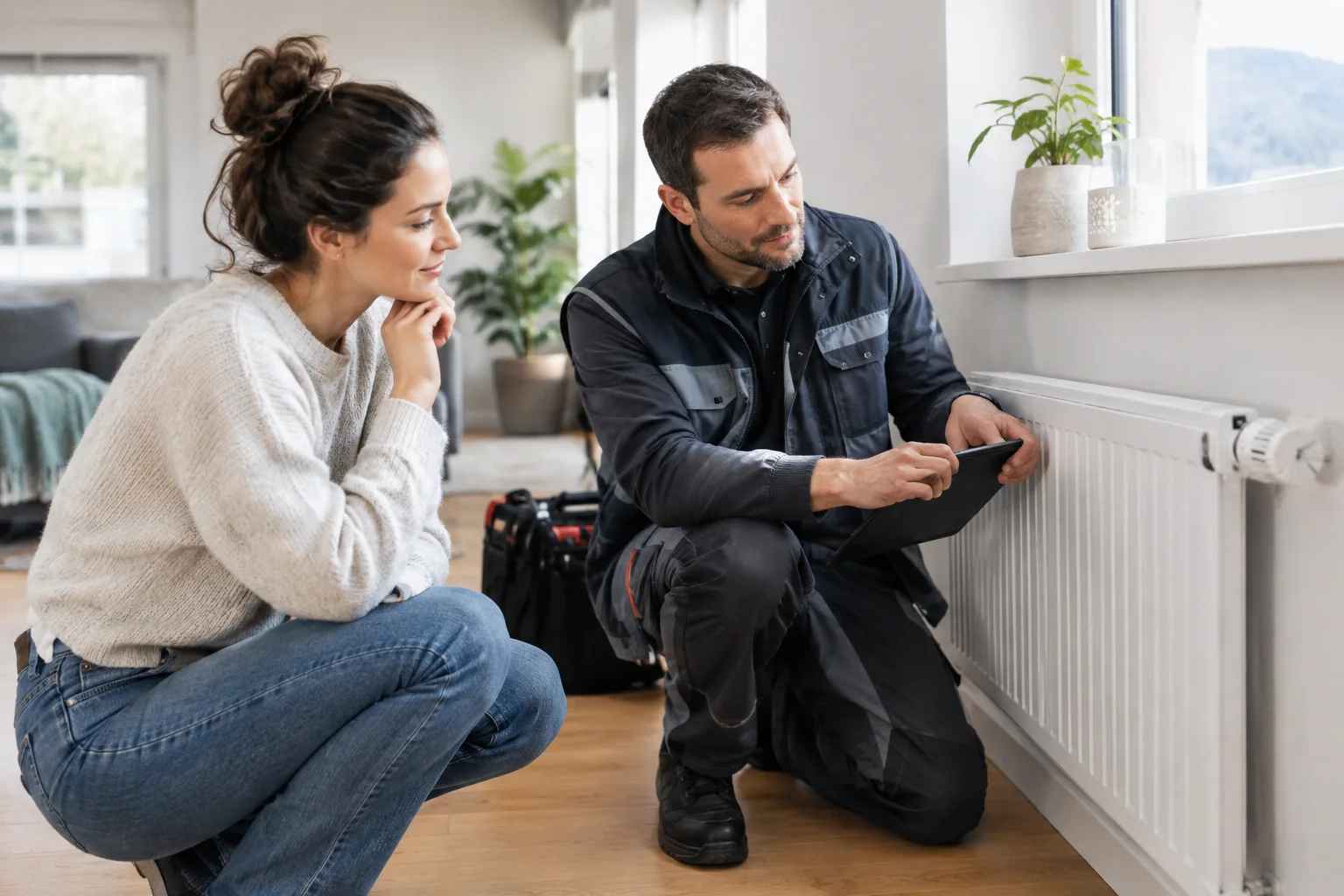
Heating is often one of the largest sources of household energy use. Keep doors and windows closed while heating is operating, avoid covering radiators and keep furniture far enough away to allow warm air to circulate. Lowering the temperature slightly in bedrooms, hallways and unused rooms can also reduce consumption.
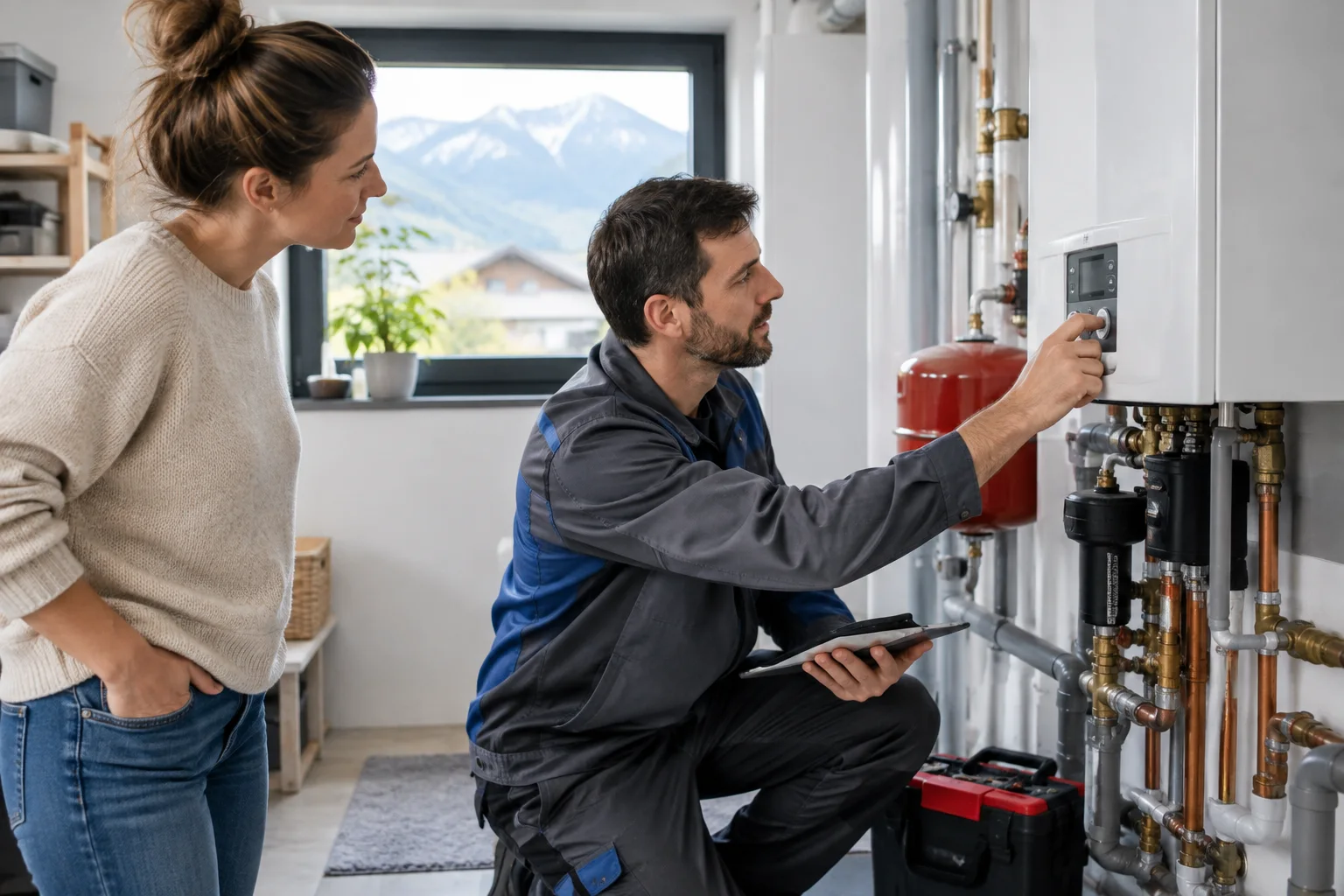
Do not make major adjustments to a heating system if you are unsure how it works. Incorrect settings or unauthorised modifications may reduce efficiency or cause damage. If rooms remain cold, the system makes unusual noises or the pressure changes repeatedly, contact a qualified professional for an assessment.
Protect electrical installations and appliances
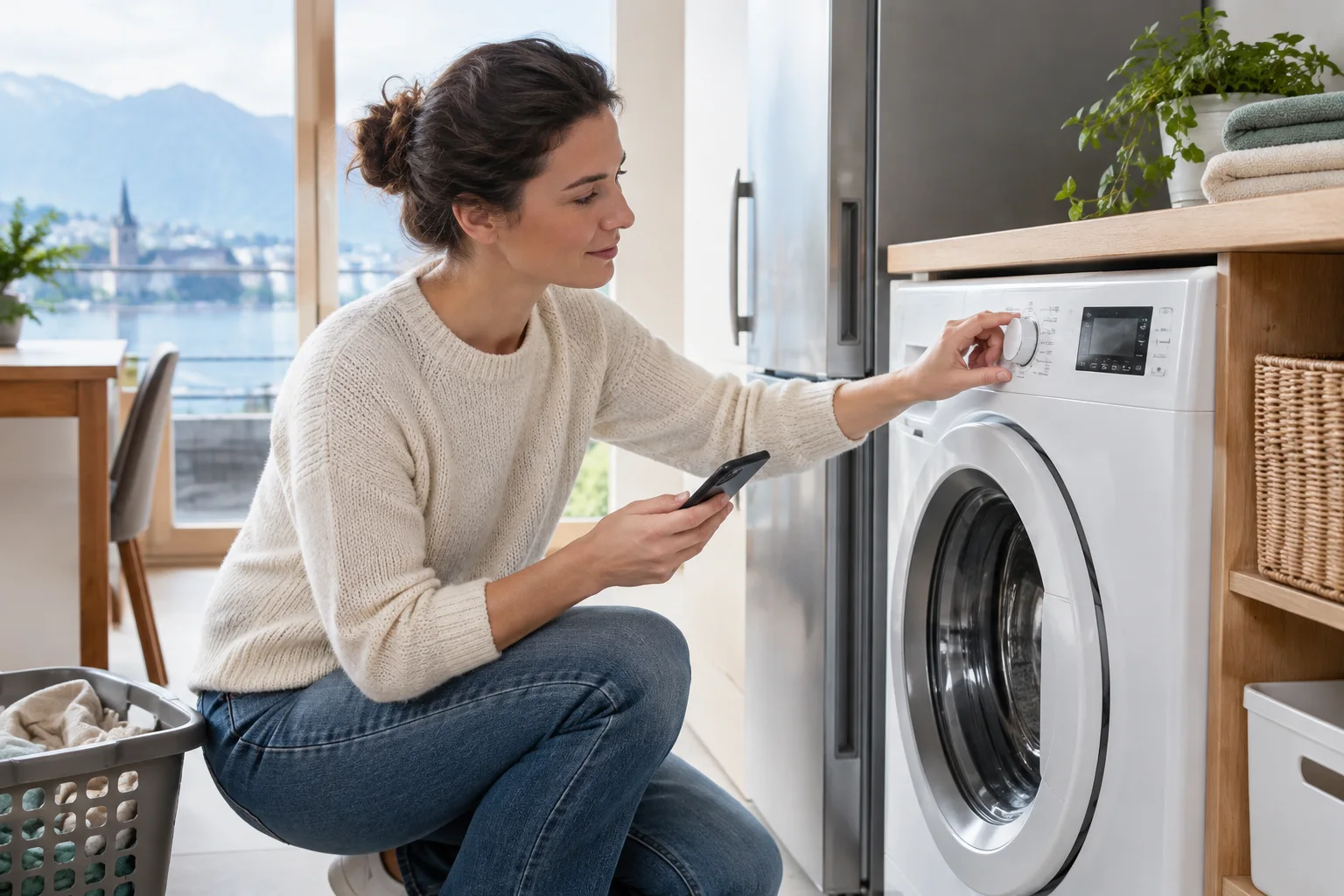
Electrical equipment should be used according to the manufacturer’s instructions. Avoid overloading sockets or extension leads, especially with high-power appliances such as heaters, washing machines and cooking equipment. Replace damaged plugs, cables and power strips rather than continuing to use them.
Warning signs such as burning smells, buzzing sounds, discolouration, sparks, repeated tripped breakers or warm sockets require prompt attention. Switch off the affected appliance if it is safe to do so and arrange professional assistance. Never open electrical panels or attempt live electrical repairs yourself.
Reduce standby consumption safely
Televisions, chargers, computers, entertainment systems and other devices can consume energy while on standby. Turn equipment off completely when practical, or use a suitable power strip with an on/off switch. Keep ventilation around electronic devices clear and avoid placing them near heat sources or moisture.
Smart plugs and timers can be useful, but they must be rated for the connected load. Do not use them for appliances that require continuous operation, safety monitoring or a reliable cooling cycle unless the manufacturer specifically permits it.
Maintain ventilation and prevent moisture problems
Good ventilation supports indoor air quality and helps protect walls, windows and installations from excess humidity. Clean accessible filters according to the manufacturer’s instructions and keep air inlets and outlets unobstructed. Ventilate after showering and cooking, while avoiding prolonged open windows when heating is running.
Persistent condensation, mould, musty smells or visible water damage should be investigated. These symptoms may indicate inadequate ventilation, a leak or a building-related issue. Early assistance can help prevent more extensive repairs.
Check water installations for leaks
A small leak can waste water and gradually damage floors, walls or cabinets. Check taps, visible pipe connections, flexible hoses and areas around washing machines and dishwashers. If the water meter continues to run when all taps and appliances are off, arrange an inspection.
In the event of a significant leak, close the local shut-off valve if you know its location and can operate it safely. Keep water away from electrical equipment and contact an emergency or qualified service provider. Do not remove fixed covers or attempt complex plumbing repairs without the appropriate expertise.
Plan preventive assistance
Preventive checks are usually less disruptive and less expensive than emergency repairs. Keep records of maintenance, appliance ages, recurring faults and unusual consumption. When contacting an assistance service, provide photographs, model numbers, error codes and a clear description of what happened. This information can speed up diagnosis and help the technician arrive with suitable equipment.
When to request professional help
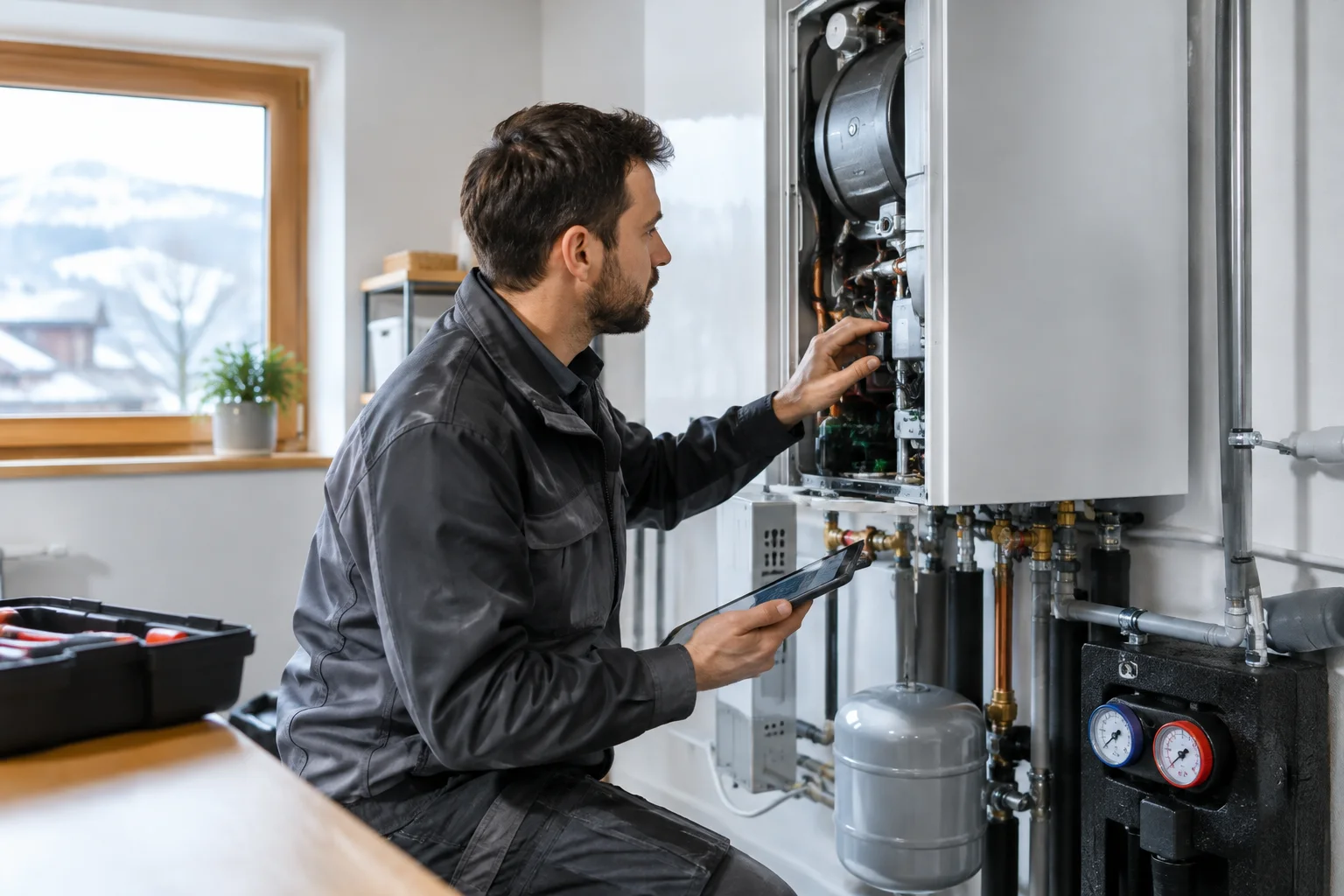
Contact a qualified professional if an installation repeatedly trips, leaks, overheats, produces unusual smells or no longer performs reliably. Professional assistance is also advisable before replacing fixed electrical equipment, modifying heating controls or investigating faults that affect several rooms.
LDT Services can help assess household issues, identify practical next steps and coordinate appropriate assistance in Switzerland. If there is smoke, fire, a strong burning smell or immediate danger, leave the area, call the relevant emergency services and do not attempt to repair the installation yourself.
A safer, more efficient home starts with small actions
Regular observation, sensible energy use and early professional support can protect your installations while improving efficiency. Start with the checks that are safe to perform, document anything unusual and ask for assistance before a minor issue becomes a major fault.