FR
Français
 DE
Deutsch
 IT
Italiano
 EN
English
Practical Tips to Save Energy and Protect Your Electrical Installations
Reduce energy use, prevent avoidable electrical faults and improve household safety with practical advice for Swiss homes. Learn what you can do yourself—and when to call a qualified electrician.
Energy efficiency is not only about lowering your electricity bill. Good everyday habits can also reduce stress on electrical installations, limit overheating risks and help appliances last longer. In Swiss homes, a few simple checks and timely professional maintenance can make a meaningful difference.
Start with the biggest sources of energy use
Heating, hot water, cooking, refrigeration and laundry usually account for a large share of household energy consumption. Begin by identifying where electricity is being used most before making changes.
- Review your electricity bills and, if available, use your smart meter or energy-monitoring app to compare consumption over time.
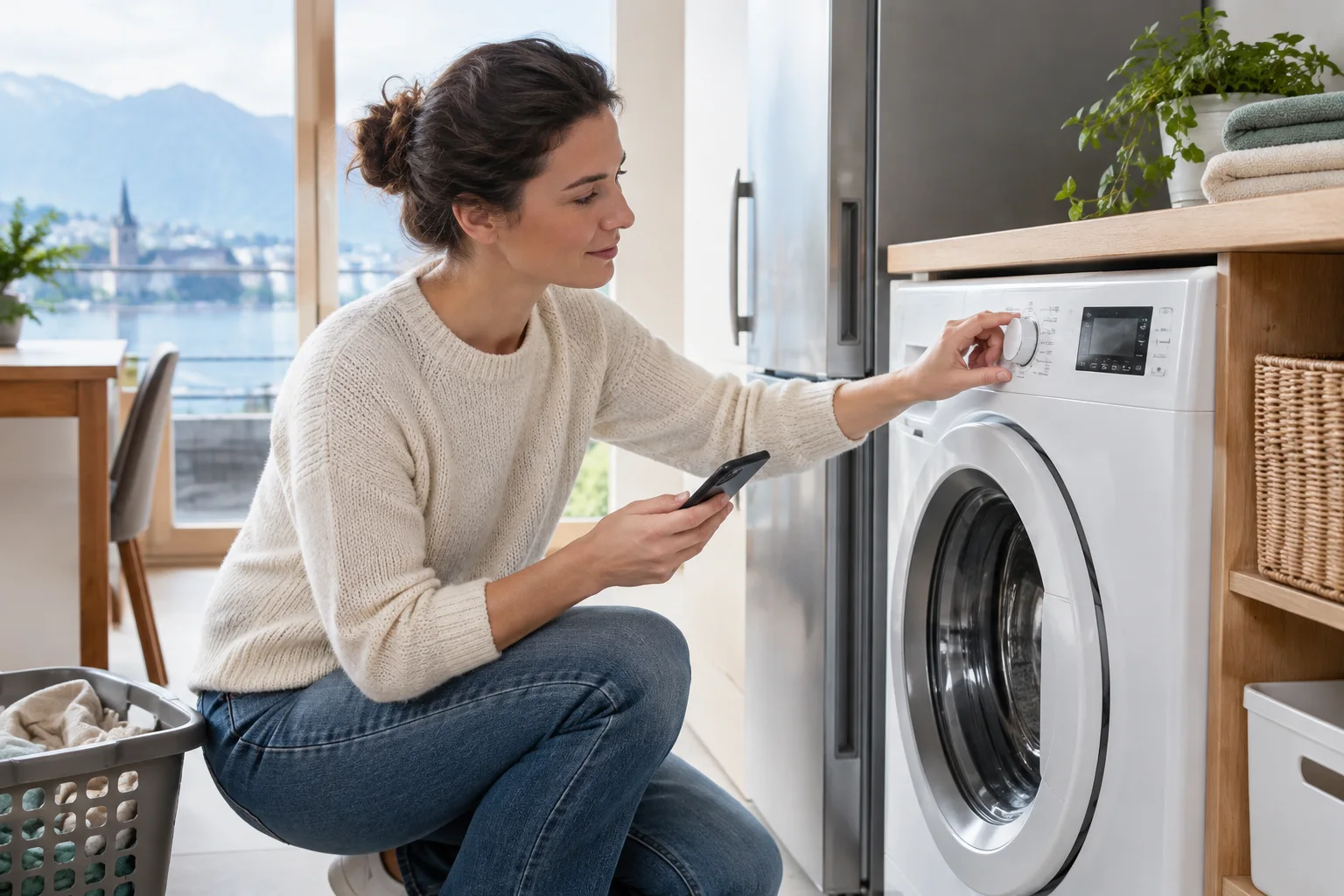
- Use appliances efficiently: run dishwashers and washing machines with full loads and select eco programmes where suitable.
- Set refrigerators and freezers to the temperatures recommended by the manufacturer, and keep ventilation openings clear.
- Switch off lights in unoccupied rooms and use LED lamps from reputable manufacturers.
- Unplug chargers and devices that are not designed to remain on standby, or use a quality switched power strip.
Do not compromise safety by using low-quality adapters, overloaded extension leads or unsuitable replacement components to reduce costs.
Protect sockets, circuits and appliances
Electrical installations work best when loads are distributed correctly and equipment is used as intended.
- Avoid connecting several high-power appliances to the same extension lead or socket outlet.
- Never use damaged cables, cracked plugs, loose sockets or extension leads showing signs of heat, discolouration or burning.
- Keep electrical equipment away from water and use only products suitable for bathrooms, kitchens, balconies or outdoor areas.
- Ensure air can circulate around appliances such as refrigerators, freezers, dryers and heating equipment.
- Follow the manufacturer’s instructions for power ratings, cleaning and maintenance.
If a circuit breaker or residual-current device (RCD) trips repeatedly, do not keep resetting it without finding the cause. Disconnect the affected appliance if it is safe to do so and arrange an inspection by a qualified electrician.
Use surge protection appropriately
Computers, routers, televisions, heat pumps and other electronic equipment can be sensitive to voltage disturbances. A suitable surge-protection device may help protect individual appliances, but it is not a substitute for a correctly designed electrical installation or professional inspection.
Choose equipment that is appropriate for the appliance and the installation, and replace it if it has been damaged or if the manufacturer indicates that protection has been used up. For valuable or permanently connected equipment, ask an electrician about whole-installation protection and earthing requirements.
Pay attention to warning signs
Contact a qualified electrician promptly if you notice:
- burning smells, buzzing, crackling or unusual heat around a socket, switch or distribution board;
- flickering lights or unexplained power interruptions;
- frequent tripping of circuit breakers or RCDs;
- electric shocks or tingling when touching an appliance;
- loose, damaged or discoloured accessories; or
- signs of moisture near electrical equipment.
In the event of smoke, sparks or an electrical fire, keep away from the equipment, call the emergency services on 118 in Switzerland and do not use water on an electrical fire. Only isolate the power if this can be done safely without approaching the hazard.
Schedule professional checks
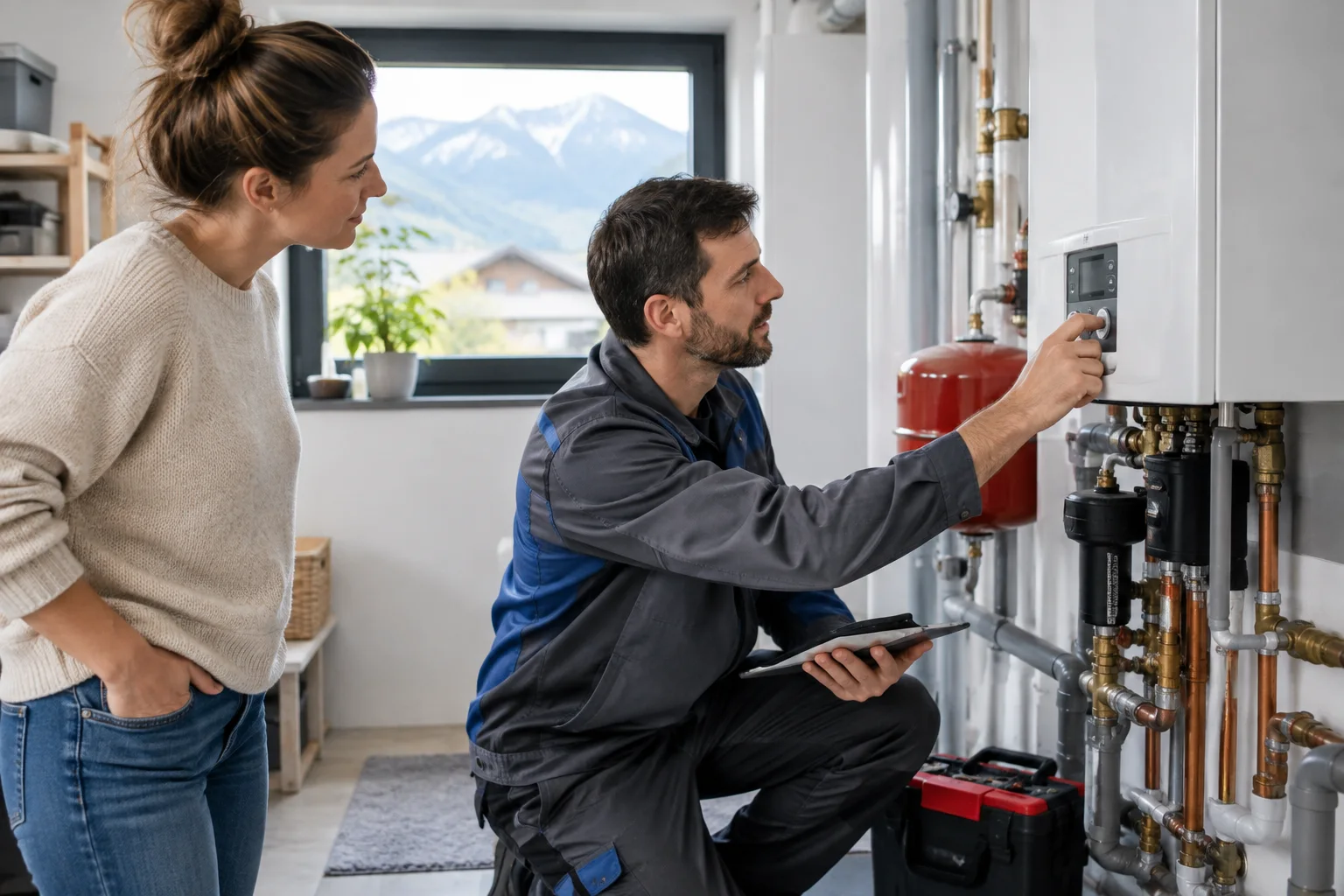
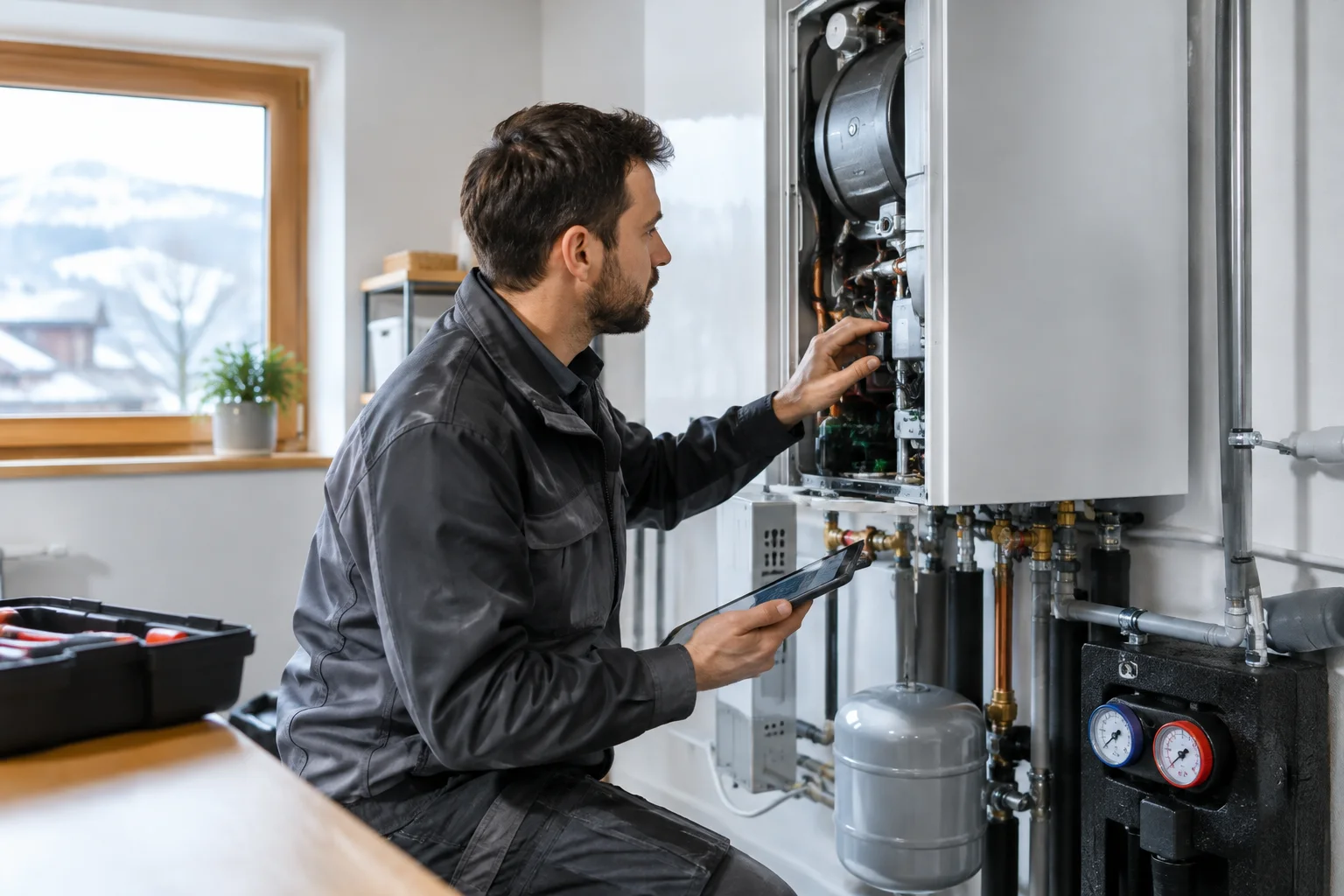
Electrical work, modifications to fixed wiring, fault-finding and testing should be carried out by an appropriately qualified professional. An electrician can check protective devices, connections, earthing, circuit loading and the condition of the distribution board without exposing you to unnecessary risk.
Professional advice is especially important before installing high-power equipment such as an electric vehicle charger, heat pump, induction hob, sauna or workshop machinery. The electrician can confirm whether the existing installation can support the additional load and whether upgrades or authorisations are required.
Simple habits with lasting benefits
Make energy saving part of your routine: clean appliance filters as instructed, keep vents unobstructed, replace damaged accessories immediately and review standby consumption from time to time. Keep records of repairs and inspections so recurring problems can be identified early.
Saving energy should never mean bypassing protective devices, replacing fuses with unsuitable ratings or carrying out work on live circuits. When in doubt, switch off the equipment if safe and contact LDT Services for practical, professional electrical support.