FR
Français
 DE
Deutsch
 IT
Italiano
 EN
English

Practical Tips to Save Energy and Protect Your Electrical Installation
Reduce household energy use, prevent avoidable electrical faults and improve safety with practical steps for Swiss homes. Learn what you can do yourself—and when to call a qualified electrician.
Saving energy is not only about lowering your electricity bill. Good energy habits can also reduce stress on electrical equipment, limit overheating risks and help extend the service life of your home’s installation. The following practical measures are suitable for most homes in Switzerland, while electrical work itself should be left to a qualified professional.
Start with the biggest energy users
Heating, hot water, cooking and laundry generally account for more energy than small electronic devices. Begin by identifying the appliances that operate for long periods or use high power.
- Use heating controls and thermostats efficiently, and avoid heating empty rooms unnecessarily.
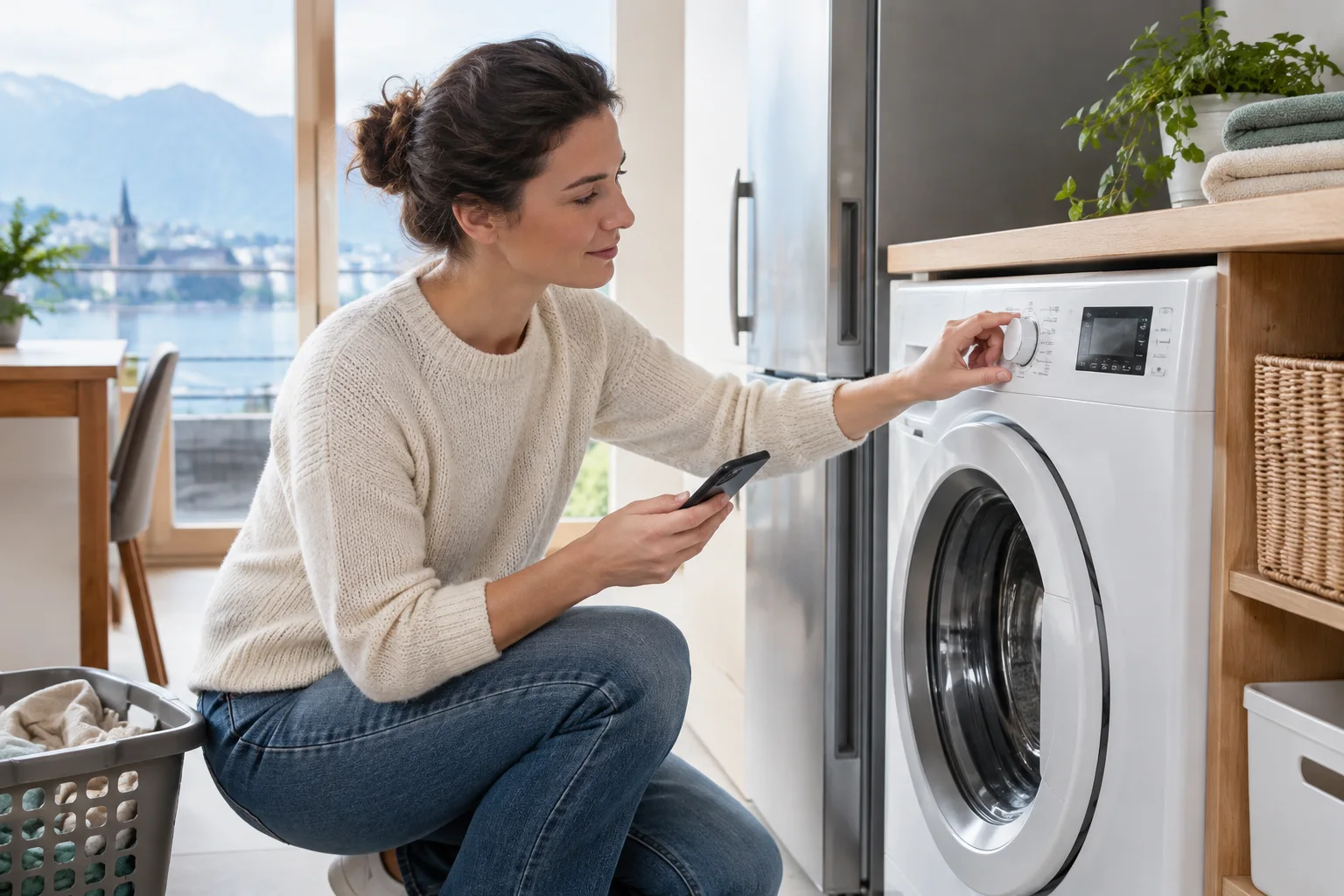
- Run washing machines, dishwashers and tumble dryers with full loads where practical.
- Choose lower-temperature washing programmes when they are suitable for the textiles.
- Use lids on pans and select a cooking zone that matches the size of the pan.
- Keep refrigerators at the recommended temperature and check that the door seals close properly.
If an appliance becomes unusually hot, makes a burning smell or repeatedly trips a circuit breaker, stop using it and arrange an inspection. Do not continue resetting the breaker without identifying the cause.
Eliminate standby consumption
Many devices continue to draw power when they appear to be switched off. TVs, computers, chargers, printers, game consoles and entertainment systems can consume energy in standby mode.
- Switch devices off completely when they will not be used for an extended period.
- Use a quality power strip with a switch for grouped equipment, such as a desk or home entertainment system.
- Unplug chargers and adapters that are not connected to a device.
- Choose appliances with efficient operating and standby ratings when replacing equipment.
Do not overload a power strip or connect one extension lead or power strip to another. Check its rated load and replace damaged units immediately.
Protect sockets, cables and extension leads
Small defects can become safety hazards. Regularly inspect accessible cables, plugs, sockets and extension leads for cracked insulation, loose parts, scorch marks, unusual heat or a smell of burning.
- Keep cables away from heat sources, water, sharp edges and areas where they can be crushed.
- Do not cover extension leads with carpets or place them where they can be damaged by doors or furniture.
- Use outdoor-rated equipment outdoors and protect connections from moisture.
- Never remove the earth connection or use damaged plugs and adapters.
- Keep sockets and electrical equipment dry, particularly in kitchens, bathrooms, garages and outdoor areas.
Replace faulty equipment rather than repairing plugs or cables yourself unless the work is being carried out by a competent, qualified person.
Use circuit protection correctly
Residual-current devices, commonly known as RCDs or FI switches, help reduce the risk of electric shock by disconnecting a circuit when they detect leakage current. Circuit breakers provide protection against overloads and short circuits. Both are important, but neither replaces safe use of electrical equipment.
Where an RCD has a built-in test function, follow the manufacturer’s instructions and any inspection guidance applicable to your installation. If it does not operate correctly, trips repeatedly or will not reset, contact a qualified electrician. Do not bypass, lock or modify protective devices.
Manage high-power appliances safely
Space heaters, portable ovens, kettles, irons and other high-power appliances should be connected as recommended by the manufacturer. Avoid operating several high-load appliances from the same socket or extension lead, especially in older installations.
Look for warning signs such as warm plugs, discoloured sockets, buzzing, flickering lights or repeated breaker trips. These may indicate an overloaded circuit, a loose connection or a fault requiring professional attention.
Improve lighting efficiency
Replacing old bulbs with suitable LED lamps can reduce electricity use and heat production. Select the correct brightness, colour temperature and fitting for each room, and use timers or motion sensors where appropriate.
Do not install a lamp with a higher wattage than the fitting allows. Before changing a bulb, switch off the light and allow hot lamps to cool. If a fitting is damaged, loose or shows signs of overheating, have it checked before use.
Plan professional checks and upgrades
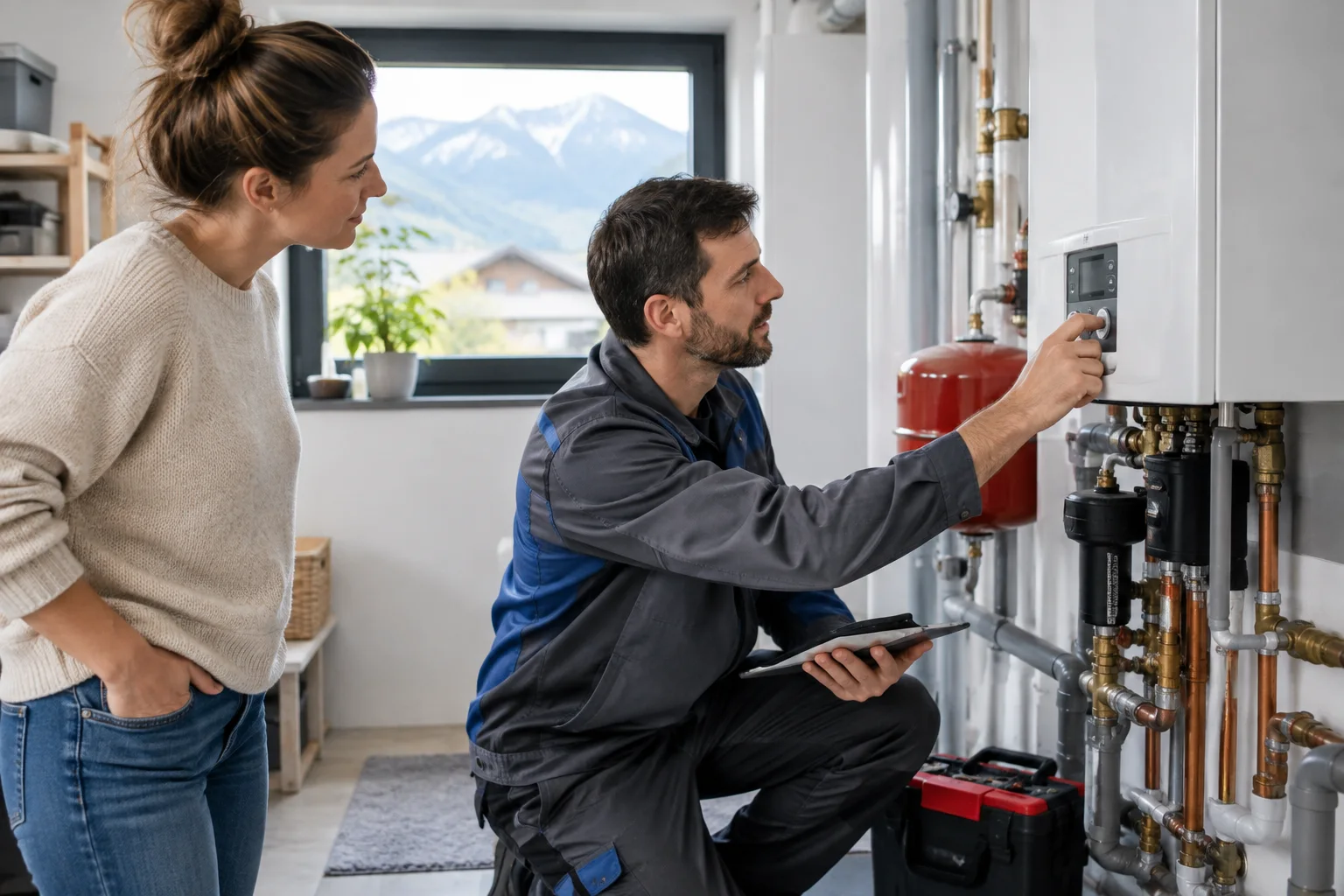
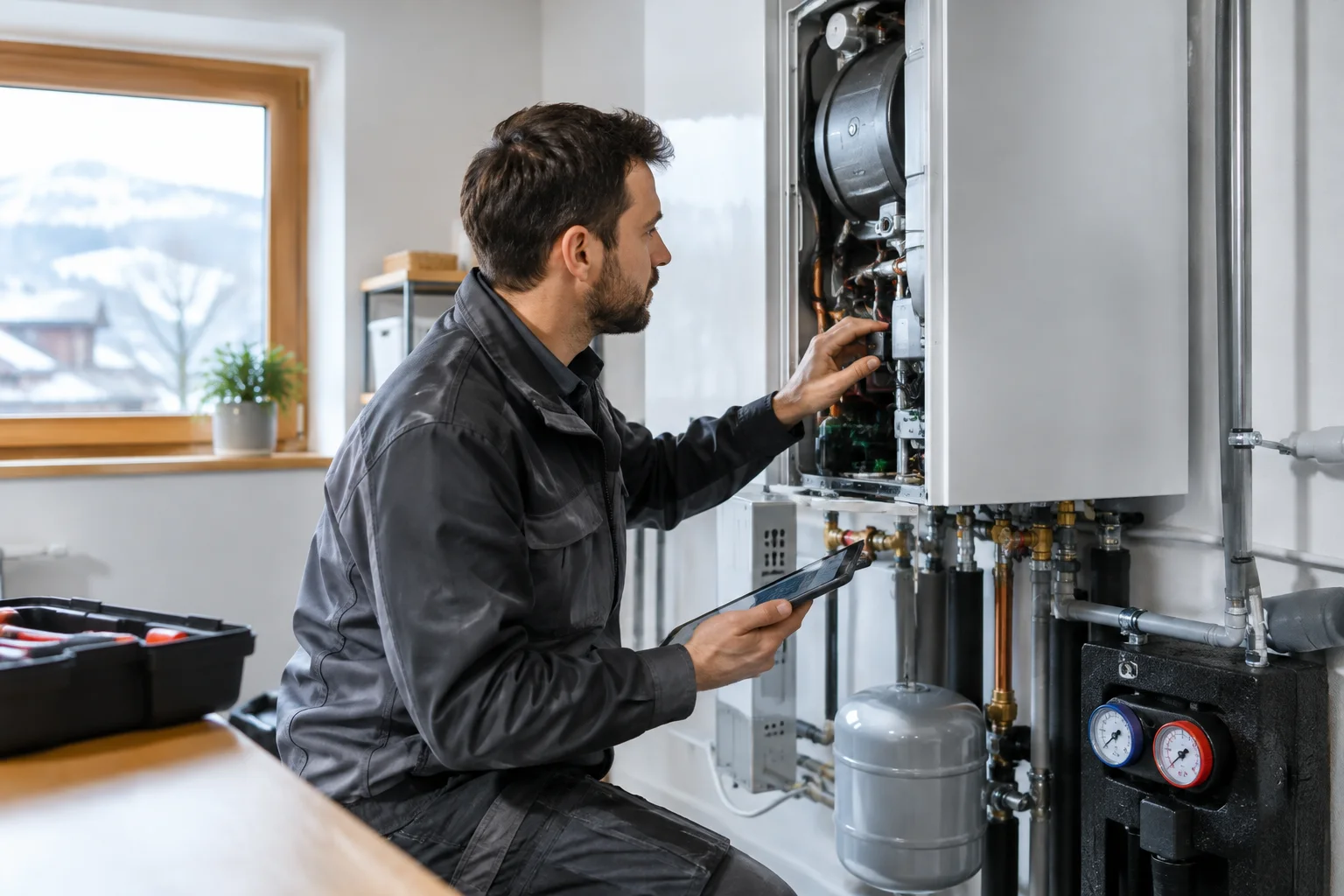
Older properties may have limited circuits, ageing wiring or insufficient protection for modern appliances. A qualified electrician can assess the installation and recommend proportionate improvements, such as additional circuits, replacement protective devices, better earthing or safer socket placement.
Professional advice is especially important before installing an electric vehicle charger, heat pump, induction hob, photovoltaic system, battery storage, outdoor supply or high-power workshop equipment. These systems require correct sizing, protection and compliance with applicable Swiss requirements.
When to call an electrician immediately
Stop using the affected equipment and seek professional help if you notice smoke, sparks, a burning smell, electric shocks or tingling, repeated tripping, melted plastic, exposed conductors or unexplained power loss. In the event of fire, move away, call the emergency services and only isolate the power if this can be done safely without approaching the hazard.
Never open a distribution board, alter fixed wiring or work on a live circuit as a DIY project. Electrical installation work should be carried out and verified by an appropriately qualified professional.
A simple maintenance routine
- Once a month, check for damaged cords, hot plugs, unusual sounds and repeated trips.
- Each season, review heating, lighting and appliance settings and switch off equipment that is no longer needed.
- Before adding a high-power appliance, confirm that the existing circuit and connection are suitable.
- Keep records of electrical work, inspections and equipment manuals.
- Arrange a professional inspection whenever the installation is old, has been modified or shows warning signs.
Small changes—reducing standby use, choosing efficient appliances and keeping equipment in good condition—can save energy while supporting a safer, more reliable electrical installation. When a problem involves fixed wiring, protective devices or high-power equipment, contact LDT Services or another qualified electrician for an assessment.