FR
Français
 DE
Deutsch
 IT
Italiano
 EN
English
Practical Smart Home Tips to Save Energy and Protect Your Installations
Use SmartHome technology to reduce energy waste, improve comfort and protect your electrical and connected installations—safely and efficiently.
SmartHome technology can make a home more comfortable, efficient and secure. When it is planned correctly, connected lighting, heating controls, sensors and energy monitoring can help reduce unnecessary consumption while protecting equipment from avoidable risks.
The best results do not come from installing as many connected devices as possible. They come from choosing the right functions, configuring them carefully and ensuring that electrical work is carried out safely. The following practical advice is suitable for homes in Switzerland and can help you make better use of a SmartHome system.
1. Start by measuring your energy use
Before changing your equipment or automation rules, identify where energy is being consumed. A SmartHome energy monitor or a compatible electricity meter can help you track overall use and, where available, individual circuits or appliances.
- Compare consumption during occupied and unoccupied periods.
- Look for continuous loads, such as heating, ventilation, servers and standby equipment.
- Review consumption by time of day to identify avoidable peaks.
- Set realistic targets and check whether changes actually reduce energy use.
Measurements should be interpreted carefully. A temporary increase may be caused by cold weather, hot water use or seasonal changes rather than a fault.
2. Automate heating without sacrificing comfort
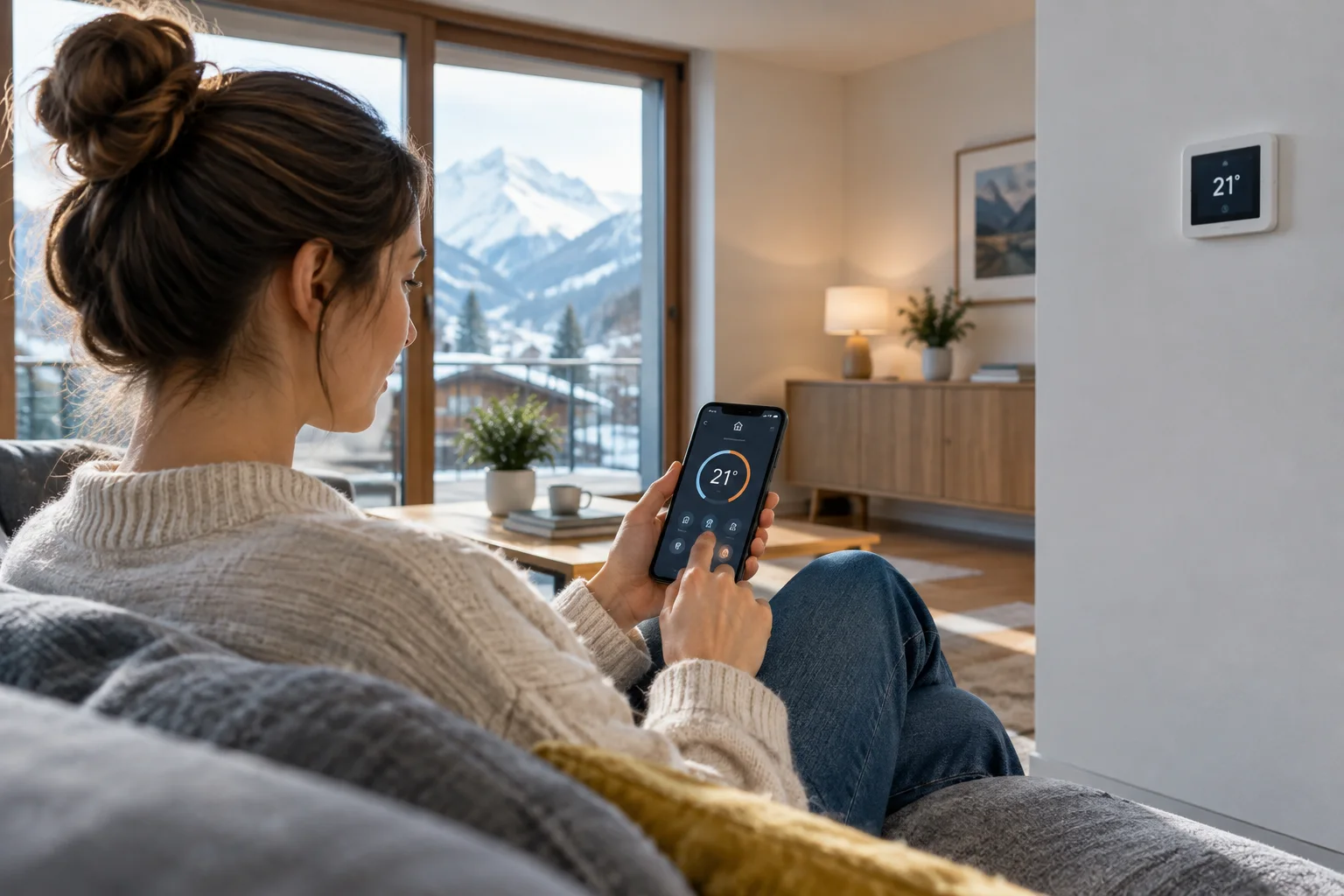
Heating is often one of the largest energy consumers in a home. Smart thermostats, room sensors and schedules can reduce heating when rooms are unoccupied, while maintaining a comfortable temperature when residents return.
Useful settings include lower temperatures at night, during working hours or when the property is empty. Window or door sensors can also alert the system when a window is left open. However, avoid rapid and frequent temperature changes: they may reduce comfort and can make the system work harder than necessary.
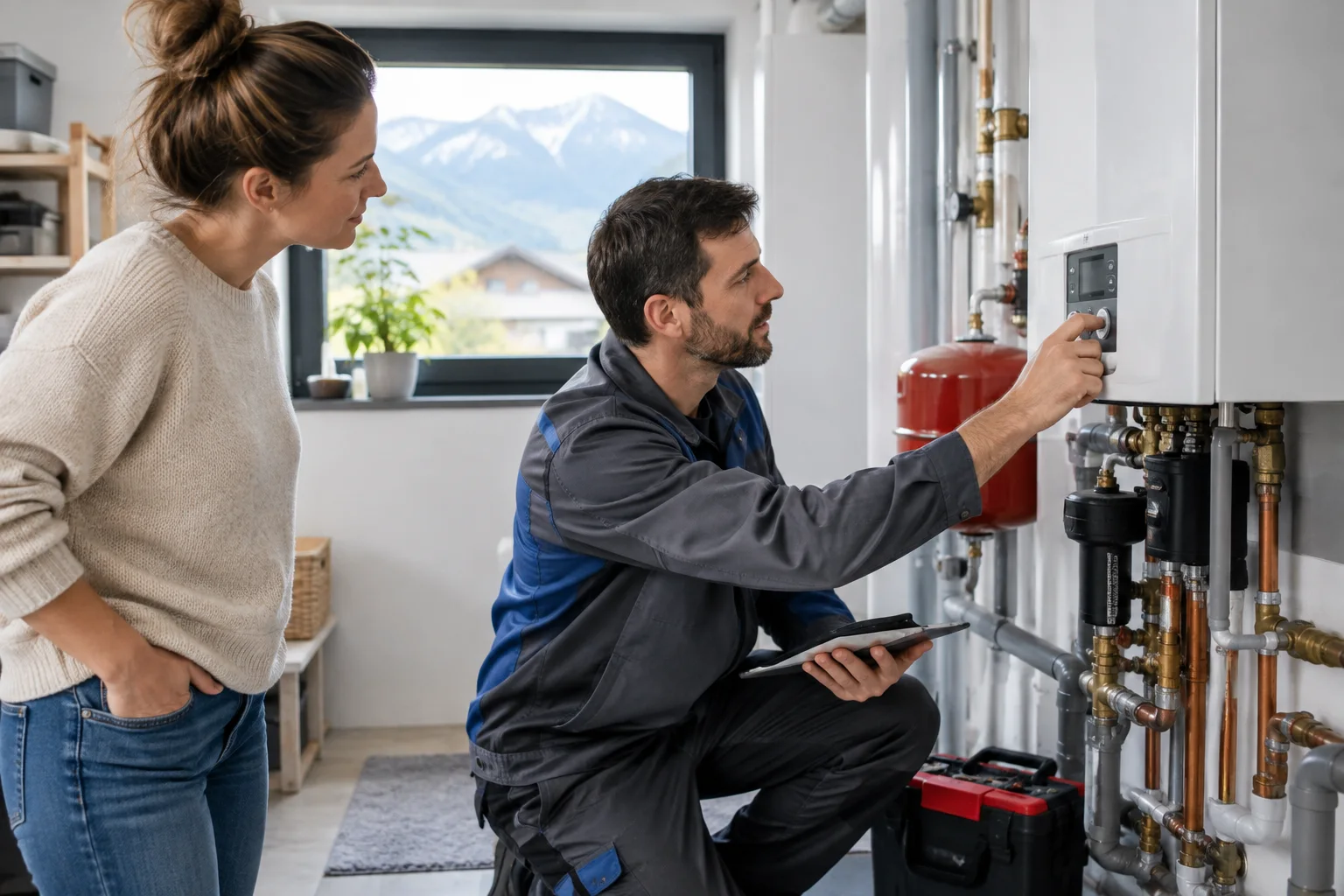
For heat pumps and underfloor heating, professional configuration is especially important because these systems often operate best with gradual adjustments. Do not modify electrical connections, control wiring or heating-system settings unless the work has been assessed and completed by a qualified professional.
3. Reduce lighting consumption intelligently
LED lighting combined with motion, presence and daylight sensors can reduce unnecessary operating time. In corridors, garages and utility areas, automatic switch-off functions are often highly effective.
For living areas, use presence-based lighting with sensible time-outs rather than very short delays that cause repeated switching. Dimming and scene controls can also reduce light levels when full brightness is not required. Make sure that dimmers, lamps and SmartHome controls are compatible; incompatible components may flicker, overheat or fail prematurely.
4. Eliminate standby consumption
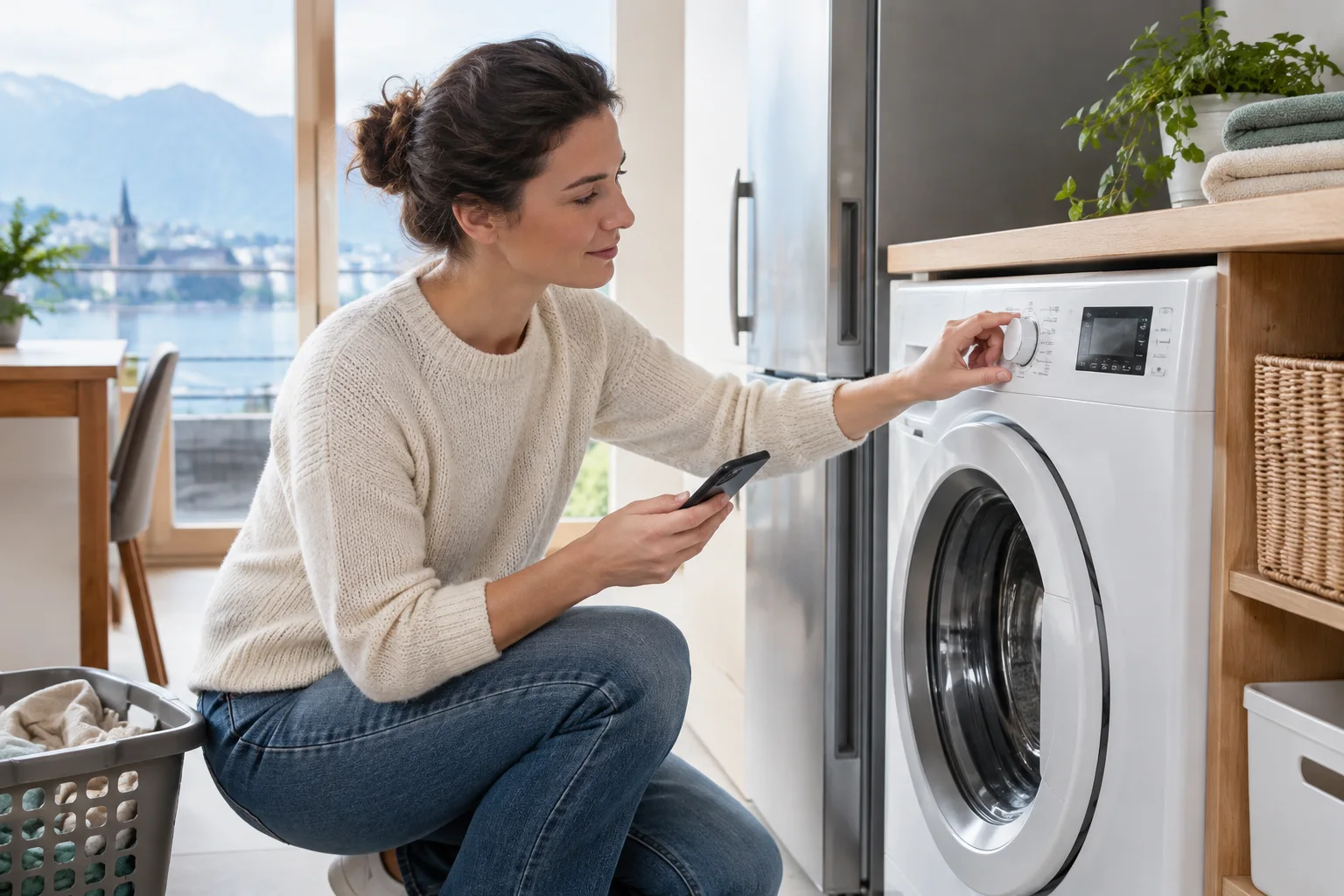
Smart plugs and switched power strips can help disconnect selected devices when they are not needed. They may be useful for entertainment systems, office equipment or guest-room appliances.
Do not disconnect equipment that must remain powered, such as refrigerators, medical devices, security systems, network infrastructure or appliances specified by the manufacturer. Avoid placing high-power appliances on unsuitable smart plugs. Check the device rating, the expected load and the manufacturer’s instructions before use.
5. Protect appliances and electrical installations
SmartHome functions can provide warnings, but they are not a replacement for electrical protection. A complete installation should include correctly selected protective devices, suitable earthing and regular inspection by a qualified electrician.
Depending on the property and its equipment, useful monitoring may include alerts for:
- Unexpected power loss or circuit trips.
- Abnormally high energy consumption.
- Water leaks near appliances or technical rooms.
- Unusual temperature or humidity levels.
- Smoke, heat or other fire-related signals from approved detectors.
Never bypass a circuit breaker, replace a protective device with a higher-rated one or open distribution boards to install a sensor yourself. If a protective device trips repeatedly, disconnect unsafe equipment if appropriate and arrange a professional inspection.
6. Use water and environmental sensors
Leak sensors placed near washing machines, dishwashers, boilers and technical equipment can provide an early warning. Temperature and humidity sensors can help identify conditions that may lead to condensation, mould or damage to building materials.
Test sensors periodically, keep batteries charged and check that notifications reach the intended users. A sensor that is installed but not maintained should not be treated as a reliable safety system.
7. Secure your SmartHome network
Connected devices can affect privacy and household security. Protect the system by using unique passwords, enabling multi-factor authentication where available and installing firmware updates from trusted manufacturers.
- Use a secure, password-protected Wi-Fi network.
- Place older or less trusted devices on a separate guest or IoT network when possible.
- Remove devices and user accounts that are no longer needed.
- Limit remote access to the functions that genuinely require it.
- Keep a record of the system configuration and recovery details.
Choose products with clear support policies and compatible communication standards. A system that depends on a discontinued cloud service may lose important functions or become difficult to maintain.
8. Plan automation with fail-safe behaviour
Every important automation should have a predictable fallback. Ask what happens if the internet connection, hub, sensor or power supply fails. Lights should remain usable manually, doors should not depend solely on an app and heating should have a safe local operating mode.
Use alerts for events that require action, but avoid excessive notifications. A short, prioritised list of meaningful warnings is more useful than constant messages that users begin to ignore.
9. Have electrical work completed professionally
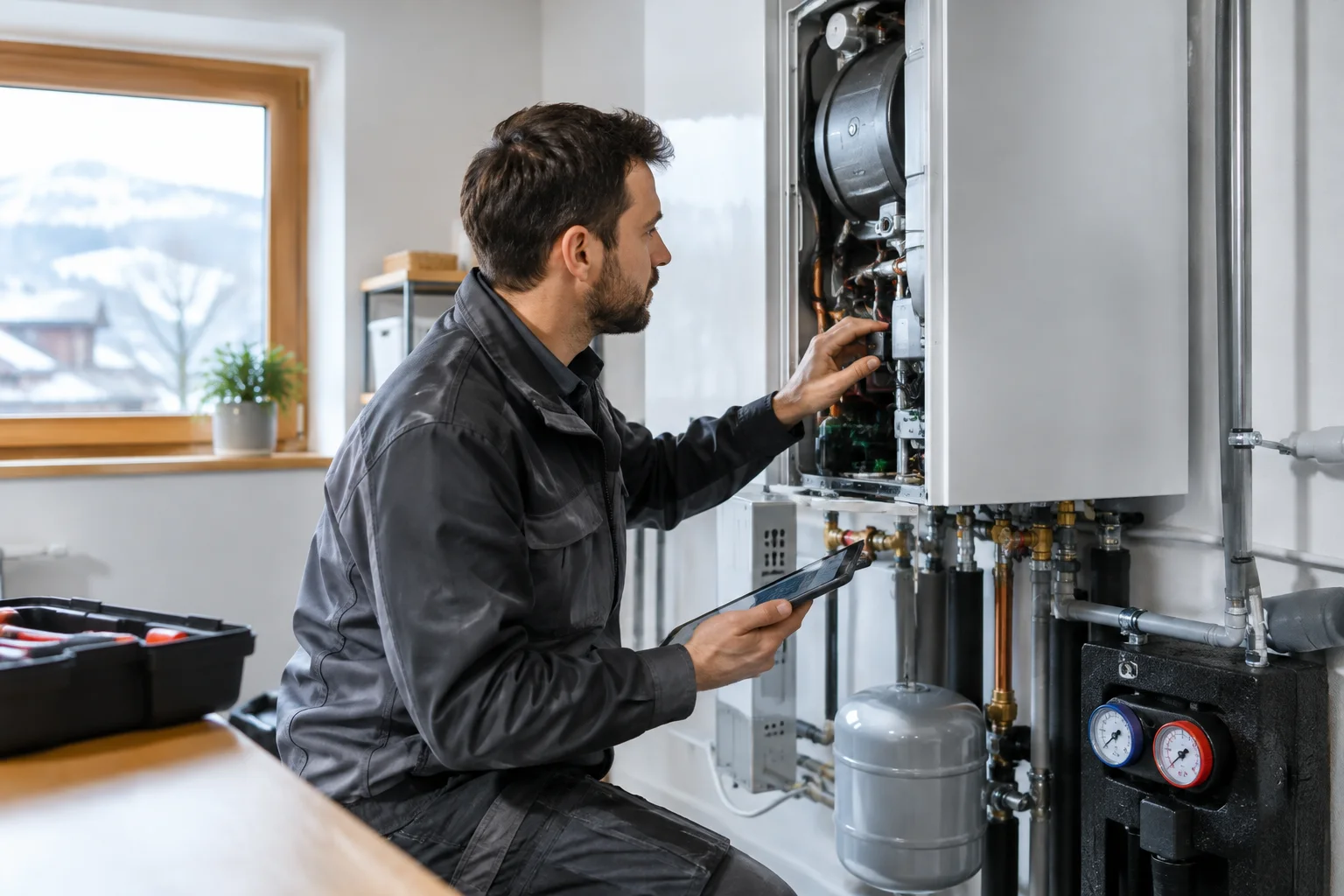
Installing a SmartHome controller is not the same as modifying an electrical installation. Work involving fixed wiring, distribution boards, sockets, lighting circuits or protective devices should be assessed and carried out by an appropriately qualified professional in accordance with applicable Swiss requirements.
A professional can check compatibility, load capacity, protection, documentation and future maintenance needs. This is particularly important during renovations, when integrating heating systems or when connecting energy-management equipment.
10. Review the system regularly
SmartHome installations should be reviewed at least once a year and after major changes to the property. Check schedules, batteries, software updates, user access, sensor operation and energy results.
Remove automations that no longer match how the home is used. A smaller, well-maintained system is generally safer and more efficient than a complex system with outdated rules and unsupported devices.
A safer, more efficient SmartHome starts with good planning
SmartHome technology can help reduce energy waste and identify problems earlier, but its benefits depend on sound configuration and reliable installation. Begin with measurements, automate practical functions, maintain your devices and involve a qualified professional for electrical work.
If you are planning a new SmartHome system, upgrading heating controls or protecting your property against leaks and abnormal consumption, LDT Services can help assess your needs and develop a safe, maintainable solution.