FR
Français
 DE
Deutsch
 IT
Italiano
 EN
English
Practical Maintenance Tips to Save Energy and Protect Your Home’s Systems
Regular maintenance helps Swiss households reduce energy waste, prevent costly breakdowns and keep heating, electrical and water systems operating safely. Here are practical steps homeowners can take—and when to call a qualified professional.
Energy savings do not always require major renovations or expensive equipment. In many homes, simple maintenance tasks can improve efficiency, extend the life of installations and reduce the risk of unexpected repairs. A well-maintained home also provides better comfort and more reliable operation throughout the year.
From heating systems to ventilation, plumbing and electrical installations, the following practical advice can help homeowners manage energy use safely. Where a task involves electrical components, gas, refrigerants or pressurised systems, always use a qualified professional.
1. Schedule regular heating-system maintenance
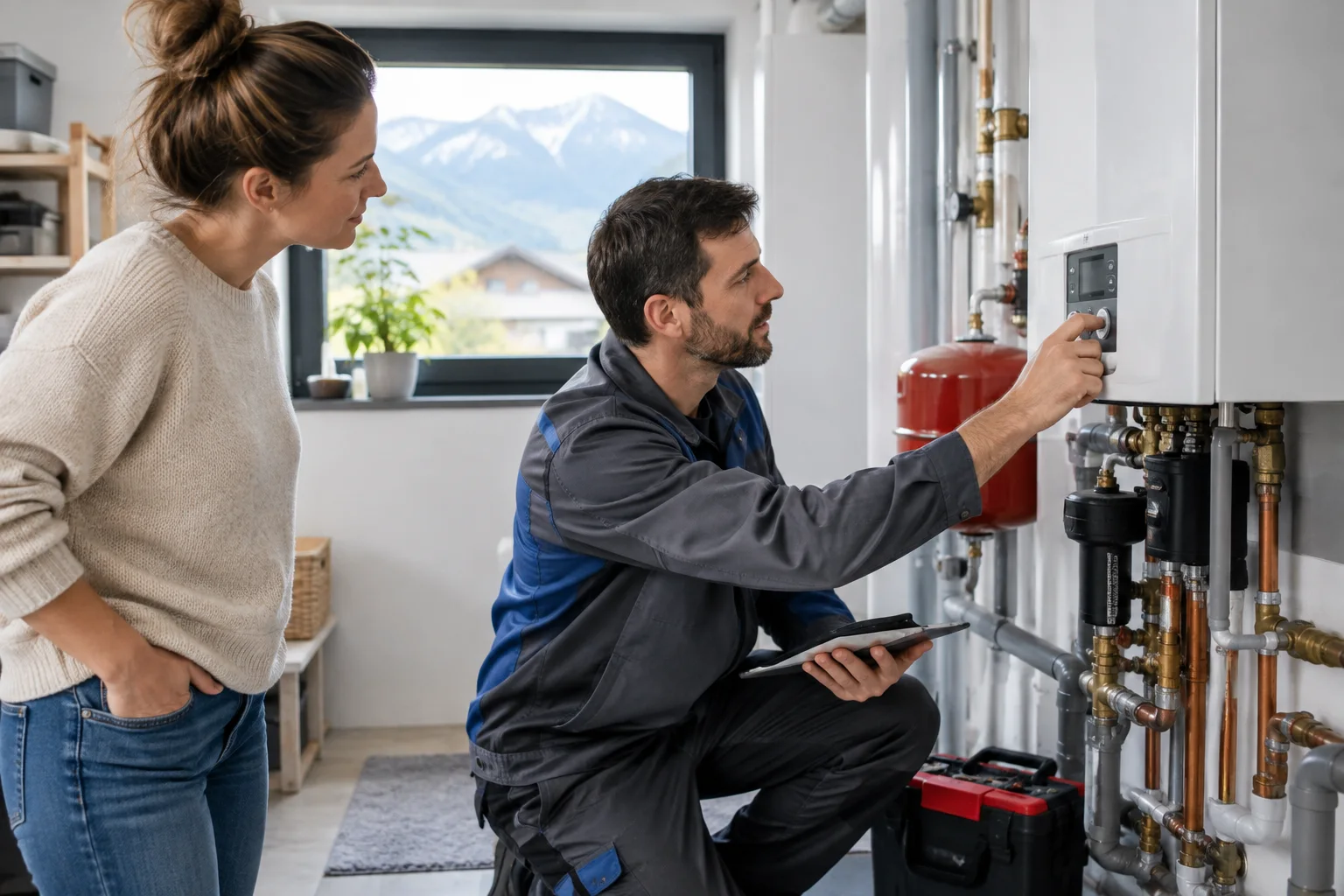
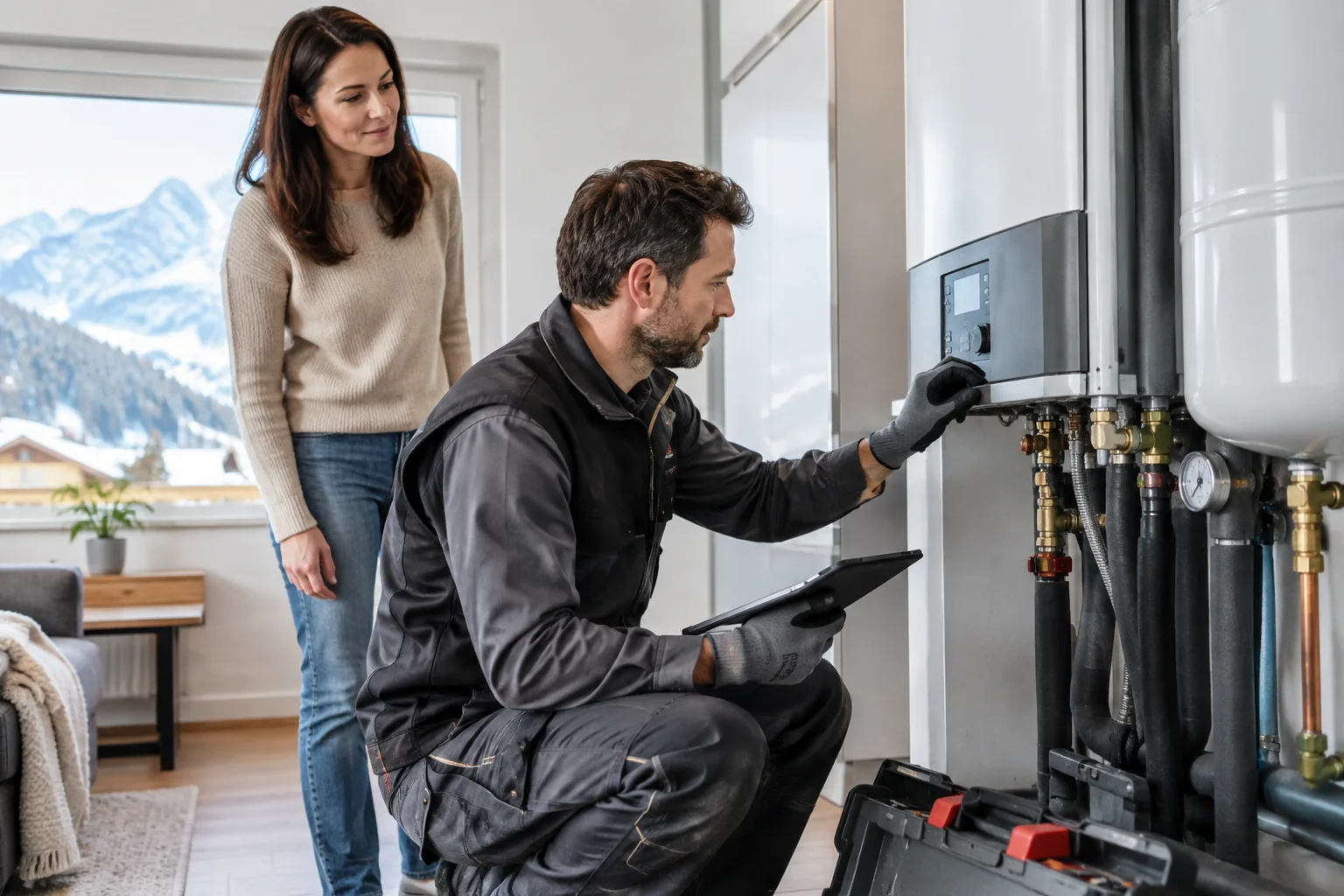
Heating is one of the largest sources of household energy consumption, particularly during the Swiss winter. Arrange periodic servicing of your boiler, heat pump or other heating system according to the manufacturer’s recommendations and local requirements.
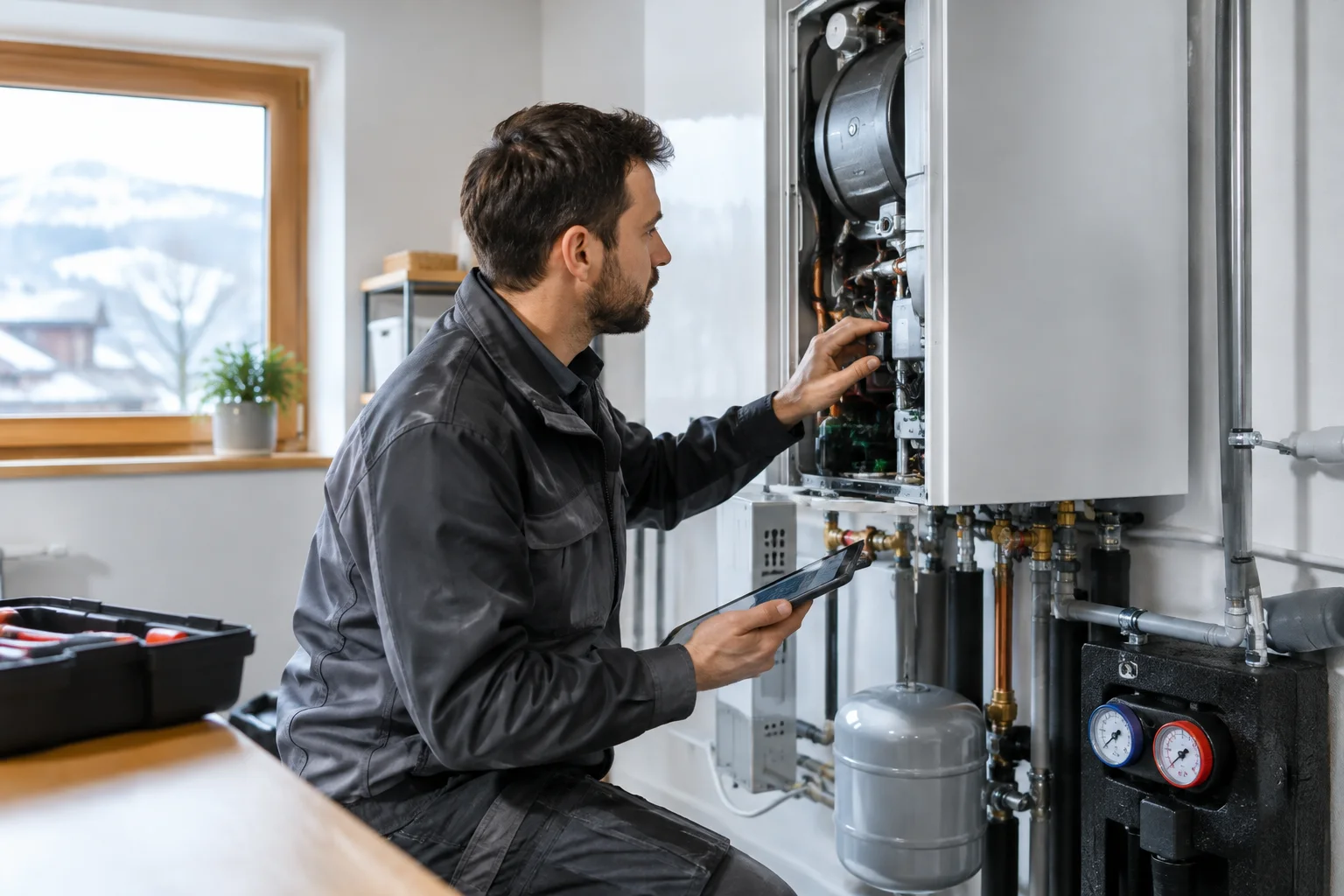
A professional service can check operating performance, clean relevant components, identify leaks or unusual wear and confirm that safety controls are working correctly. Early detection can prevent inefficient operation and reduce the likelihood of a breakdown during the coldest days of the year.
Homeowners can safely keep radiators and indoor heating units unobstructed and remove dust from accessible surfaces. Do not open combustion appliances, adjust gas components or attempt electrical repairs yourself.
2. Keep radiators and thermostats clear
Furniture, curtains and decorative covers can block heat from circulating. Leave space around radiators and avoid placing large objects directly in front of thermostatic valves or indoor sensors.
Check that thermostatic controls respond normally and that rooms are not being overheated. Lowering the temperature slightly in bedrooms, hallways or unoccupied rooms can reduce consumption while maintaining comfort. Avoid making abrupt changes if your system uses a heat pump, as efficient operation often depends on steady settings.
3. Maintain ventilation and air filters
Blocked filters force ventilation and air-conditioning equipment to work harder. Inspect and replace or clean filters in accordance with the manufacturer’s instructions. Clean accessible air vents and ensure they are not covered by furniture or household items.
For mechanical ventilation systems, arrange professional maintenance when airflow becomes weak, the system becomes noisy or indoor humidity remains high. Do not disconnect ventilation equipment permanently to save energy, as inadequate ventilation can contribute to condensation, mould and poor indoor air quality.
4. Inspect windows, doors and seals
Damaged seals around windows and doors allow heated or cooled air to escape. Check for visible cracks, gaps or deterioration and arrange repairs or replacement where necessary. Keep windows and doors closed while heating or cooling is running.
Short, well-planned ventilation is generally more efficient than leaving windows tilted open for long periods during cold weather. If condensation persists despite regular ventilation, ask a building or ventilation professional to investigate the cause.
5. Prevent water leaks and unnecessary hot-water consumption
A dripping tap, leaking toilet or damp pipe can waste water and may cause hidden damage. Check accessible plumbing connections, under-sink cabinets and around water heaters for moisture, corrosion or unusual sounds.
Repair leaks promptly and consider professional servicing for hot-water systems. Insulating accessible hot-water pipes can help reduce heat loss, but work on boilers, storage tanks or pressurised systems should be carried out by a qualified technician.
Use hot water efficiently by fixing dripping taps, choosing appropriate washing temperatures and avoiding unnecessarily long showers. If hot-water temperature, pressure or safety controls need adjustment, consult a professional rather than changing settings without guidance.
6. Treat electrical installations as a safety priority
Overloaded sockets, damaged cables, buzzing noises, burning smells, flickering lights and repeatedly tripping breakers are warning signs. Stop using affected equipment and contact a qualified electrician. Do not remove socket covers, open distribution boards or attempt to reset a recurring fault repeatedly.
Keep electrical equipment dry, allow ventilation around chargers and appliances, and replace damaged plugs or cables through an authorised repair service. When adding high-power appliances such as heat pumps, electric vehicle chargers or tumble dryers, have the installation assessed for capacity and protection.
7. Maintain appliances for lower energy use
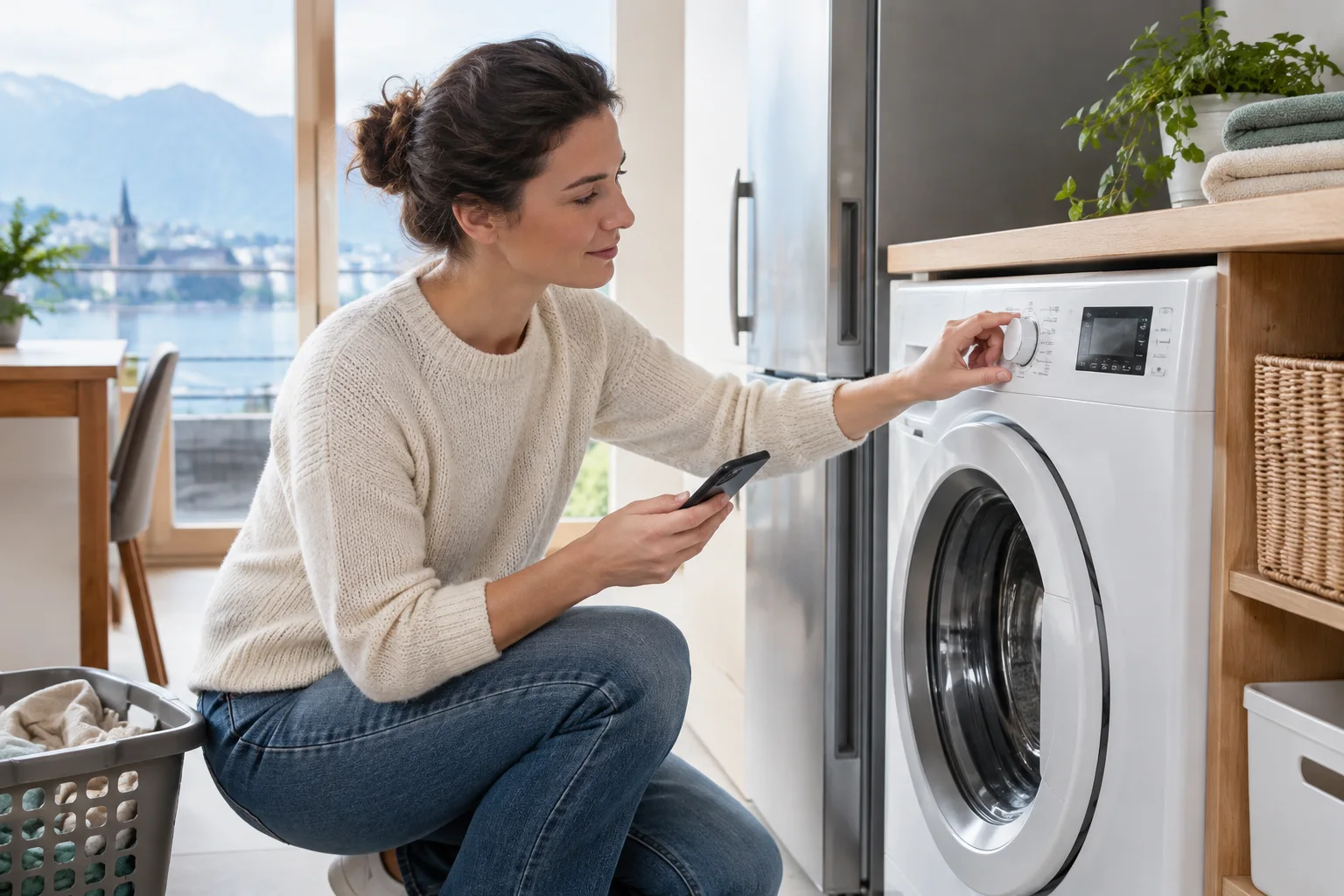
Clean appliance filters, seals and accessible vents as recommended by the manufacturer. A blocked dryer filter, dirty refrigerator condenser or poorly sealed oven can increase energy consumption and reduce performance.
Check refrigerator and freezer door seals and allow appliances to cool before placing hot food inside. Replace ageing appliances based on total operating cost and reliability, not only the purchase price. Professional installation is especially important for appliances connected to water, gas or fixed electrical wiring.
8. Create a simple maintenance calendar
A maintenance schedule makes small tasks easier to manage and helps prevent missed inspections. Record filter changes, heating services, appliance checks and any repairs. Keep product manuals, service reports and warranty information in one place.
- Monthly: Look for visible leaks, unusual noises, blocked vents and damaged cables.
- Seasonally: Prepare heating or cooling systems, clean accessible filters and check window and door seals.
- Annually: Arrange recommended professional servicing and review energy consumption.
- After renovation or appliance changes: Confirm that electrical, ventilation, water and heating systems remain suitable and compliant.
When to call a professional
Contact a qualified technician if you notice a gas smell, smoke, burning odour, water near electrical equipment, repeated circuit-breaker trips, loss of heating, refrigerant concerns or signs of carbon monoxide risk. In an emergency, leave the area if necessary and contact the appropriate emergency service. Never attempt to diagnose or repair dangerous installations yourself.
Maintenance is an investment in efficiency and safety
Preventive maintenance can reduce energy waste, improve comfort and extend the service life of household installations. The most effective approach combines simple checks by the homeowner with scheduled inspections by qualified professionals. By acting early on leaks, blocked filters, poor seals and warning signs, you can protect your home and avoid many avoidable costs.